Successfully acquiring a written-off vehicle, such as a Category S or Category N car, is only the first step in a profitable journey. The real challenge, and the greatest opportunity for savings, lies in locating high-quality replacement car parts efficiently and affordably. Whether a quick resale is the goal or a durable project for personal use, the sourcing strategy directly impacts the vehicle's final value and safety. Proven methods for finding the necessary components without compromising on quality or legality are essential for a successful rebuild.
Restoring a vehicle means balancing the cost of repairs against the potential market value once it is roadworthy. By treating the parts search with the same discipline used in the bidding process, a healthy profit margin can be maintained. This overview covers everything from assessing the best sources for major assemblies like engines to verifying the legitimacy of suppliers across the UK.
Building a Foundation for Successful Restoration
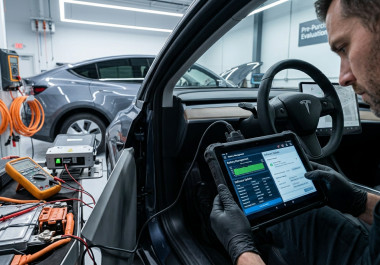
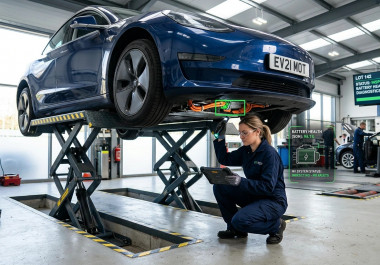
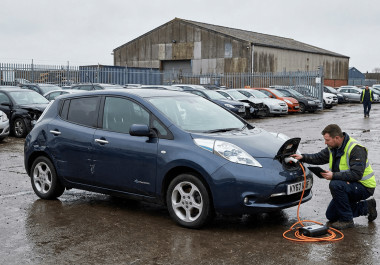
Before purchasing any components, professional restorers always perform a detailed, post-acquisition assessment of the damage. This detailed investigation goes beyond the initial auction listing details to uncover any hidden damage that might necessitate additional, unplanned parts. Knowing the exact scope of required work prevents costly overspending on incorrect or unnecessary components.
Understanding the Parts Required for Each Category
The vehicle's insurance write-off category dictates the priority and complexity of the parts that will be needed. Category S vehicles require specialised expertise and often costly frame or chassis parts, which must meet stringent safety standards. Conversely, Category N cars typically require less complex mechanical or body panels, which are generally easier to source.
For Category S vehicles, remember that structural integrity is paramount, making reliable OEM components highly desirable for chassis repairs. Category N projects might allow greater flexibility in choosing between used, new, or aftermarket options for cosmetic items. If the focus is on smaller, specific items, remember that lots sometimes include damage from minor incidents, making them perfect candidates for repair through targeted sourcing, such as those found at damaged motorcycle auctions. Always consult a qualified professional before commencing any structural repairs to ensure compliance and safety standards are met.
Calculating the Restoration Budget Accurately
The cost of replacement car parts often forms the largest unexpected expense in a salvage restoration project. To avoid over-capitalisation, create a detailed spreadsheet outlining every part needed, including its estimated condition, desired source, and projected price. Include an additional contingency fund for unforeseen complications, which are common when dealing with written-off vehicles.
A realistic budget ensures the final cost, including the original hammer price and the expense of parts, still offers a healthy return on investment or a significant personal saving. Understanding this margin is especially critical when dealing with high-cost replacement items like complete engine assemblies.
Where to Find Quality and Affordable Components
The UK market offers a vast landscape of suppliers, ranging from dedicated dismantlers to global online platforms. Success hinges on knowing which source provides the best balance of quality, price, and provenance for specific needs. It is vital to prioritise suppliers who can provide documentation of the part's history, especially for critical components.
Utilising the Professional Salvage Network
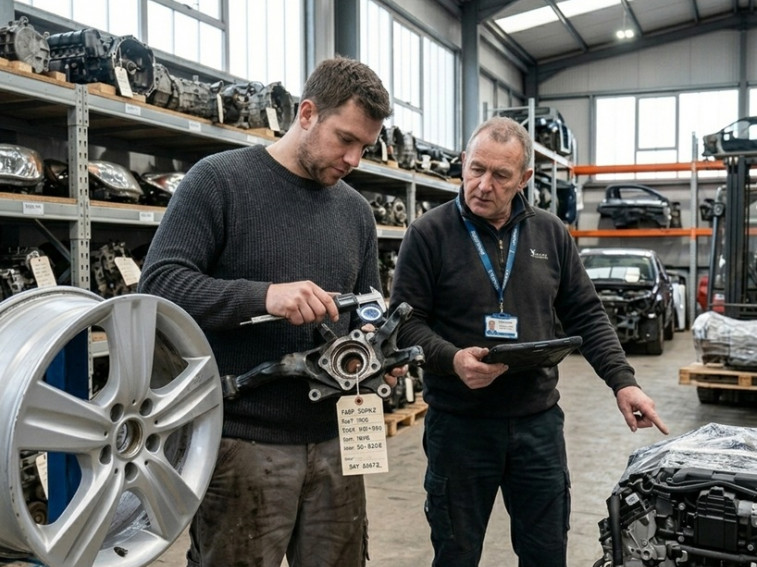
One of the most reliable routes for restorers is engaging with professional salvage and breaking yards who specialise in dismantling specific vehicle makes and models. These yards offer legitimate used auto parts UK that often come with an assurance of functionality. If commercial stock is being restored, parts from a breaker that specialises in fleet vehicles acquired from online salvage vehicle auctions often provide a known donor vehicle history, which adds crucial peace of mind.
These specialist companies are often able to track down rare or complex parts, such as entire engine assemblies or complex electronic control units. They typically handle the removal process correctly, ensuring components are undamaged during extraction. For professional dealers, building relationships with these trusted suppliers is a major asset in speeding up the repair process.
Exploring the Wider Used Market
For less critical or cosmetic items, online marketplaces and vehicle forums can be treasure troves of affordable components. These platforms are particularly useful for finding second-hand trim, interior panels, or accessories. However, buying from private sellers requires an even higher level of caution and inspection before committing to a purchase.
Acquiring a complete donor vehicle can also be the most cost-effective method of gaining numerous parts quickly. Browsing the main listings for repairable salvage cars can sometimes reveal a non-runner of the same model, whose purchase price is cheaper than buying three or four major OEM components separately. If sourcing locally for a project near the workshop, check out regional salvage auction sites to save heavily on transport costs.
The New vs. Reclaimed Part Cost Analysis
When sourcing, a decision must be made between brand new parts, new aftermarket alternatives, or reclaimed parts. New OEM components offer precise quality and fit but come at the highest cost, often severely impacting the profitability of a salvage restoration project. Aftermarket parts provide a significant cost reduction but require careful vetting to ensure they meet quality and safety standards.
Reclaimed or used parts represent the best value proposition and are central to successfully restoring a written-off car on a budget. These items, when sourced reliably from a dismantling yard, can offer excellent quality at a fraction of the cost. Ultimately, finding reliable used auto parts in the UK can be challenging, but it remains the most lucrative path for restorers.
Inspection and Verification: Ensuring Part Quality
Just as a written-off car wouldn't be purchased without scrutinising the photographs and details outlined in a standard salvage car buying guide, an expensive component should not be bought without verification. An engine or gearbox must be inspected as thoroughly as the whole vehicle itself, as replacing a failed component sourced from used auto parts UK suppliers will double the labour costs.
Key Checks for Major Components
For high-value items like engines, transmissions, or complex electrical assemblies, buyers should ask the seller for detailed photographs or videos demonstrating the item's condition. For an engine, this might include confirmation of compression readings or footage of it running before removal. Always verify the part number exactly matches the requirements of the salvage vehicle to avoid compatibility issues.
Sourcing replacement doors or body panels requires confirmation of the paint code and a close inspection for deep scratches, dents, or signs of previous repair. Acquiring a poor-quality component means extra time will be spent restoring the part itself or a replacement will be needed, negating any initial savings.
The Importance of Part Provenance
The provenance of a part refers to its donor vehicle history and the conditions under which it was removed from the frame. This is similar to vetting an antique purchase, where knowing the origin confirms its authenticity, especially when verifying the donor vehicle history. Trustworthy suppliers must provide the donor vehicle's VIN or registration number, allowing for cross-referencing its accident history. This transparency is critical, especially when dealing with safety-related components like braking or steering systems.
To ensure a successful repair, buyers should insist on comprehensive documentation for all major parts. Proper due diligence ensures the component fits perfectly and functions correctly, preventing installation headaches and costly electrical faults down the line. Verifying provenance is a small step that protects the restorer's time and budget.
Conclusion: Driving Your Restoration to Completion
Successfully sourcing replacement car parts is a meticulous process that requires patience, research, and a clear budget. By focusing on reputable suppliers, understanding the best sourcing routes for different component types, and rigorously inspecting every purchase, the investment in the salvage vehicle is protected. This careful approach is the only way to transform a written-off car from a project into a profitable, roadworthy asset.
For buyers ready to find the perfect starting point for the next salvage restoration project, browse the current stock on the RAW2K platform today. Once a lot has been secured, remember to utilise these sourcing tips to complete the repair journey with confidence. If there are any further questions about specific vehicle categories or the required documentation, please contact our customer support team. To access upcoming auctions, create your bidding account and start searching for your next restoration candidate.