When sourcing used, seized, or salvage vehicles UK, the online listing is the only window into a car's true condition. A professional dealer doesn't just glance at the price and the make; they meticulously dissect every piece of available data to make a confident acquisition. Understanding this detailed approach is the best vehicle auction advice for any buyer, whether for a personal project or restocking business inventory. By applying this systematic method to the thousands of available auction listings online, risk is significantly reduced, and the chances of securing a bargain are increased.
Decoding the Vehicle's Identity: The Core Details
The first section of any listing provides the vehicle’s fundamental identity. These details are non-negotiable and form the basis of external research, so buyers must not overlook them. Always cross-reference the basic information with national databases to ensure accuracy and to confirm the vehicle’s background. This due diligence is what separates informed buyers from the rest when participating in salvage car auctions.
Analysing Registration and Specification Data
Every listing provides the vehicle’s make, model, year of registration, and estimated mileage. These facts help quickly determine market value and demand for the specific car or van being viewed. The chassis number (VIN) is also crucial, as it allows tracing the vehicle's manufacturing specifications and confirming engine type. This is vital when budgeting for specialist parts or confirming performance details.
The physical location of the vehicle also matters significantly for logistics planning. For instance, bidding on a commercial van and considering a regional depot like those in the vehicle auctions in South East UK helps calculate recovery costs precisely. Always verify the fuel type and transmission details against the listing photos and descriptions for complete confidence.
The Importance of a Clean Title Check
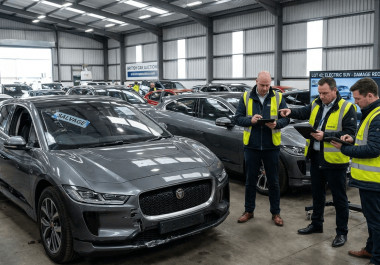
One of the most essential aspects of salvage car auctions is understanding the insurance category assigned to the vehicle. The primary distinctions are Category S (Structural) and Category N (Non-Structural). A professional buyer knows that Category S requires body shell repair and a detailed inspection, whereas Category N damage is usually limited to components like brakes, electrics, or cosmetic panels.
If a car is listed as seized or recovered, the status of its documentation must be confirmed. This is like checking the foundations of a house before buying; everything rests on the legitimacy of the title. Whether assessing Category S cars or reviewing details for specialist items like those in the available motorcycle auctions, the title check remains paramount.
Verifying Damage Type and Severity
The extent of the damage is quantified both by the insurance category and the detailed damage report within the auction listings. The description might state "minor front end damage" or "fire damage to engine bay." These descriptors guide repair estimates and help decide if the vehicle is economically viable for its intended purpose.
A Category N car with extensive cosmetic panel damage might be easier and cheaper to fix than a Category S car with seemingly light bumper damage, but a severely bent chassis. The complexity of the fix, not just the visual impact, must be assessed. Consideration must also be given to whether the fix is feasible for a non-car item, such as heavy goods vehicles available in the van auctions category. This expertise is a cornerstone of sound vehicle auction advice and profitable buying.
Beyond the Basics: Expert Condition Assessment
Once the core data checks out, the professional buyer moves on to interpreting the visual and written inspection notes. The photos and damage reports are often the most valuable tools before placing a maximum bid. Buyers must look past the superficial appeal of a low price and concentrate on the evidence of wear and damage.
What to Look for in Listing Photography
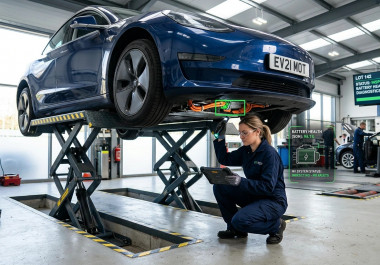
The included images are crucial, so all photos must be viewed carefully, using the zoom feature to inspect critical areas. Pay particular attention to angles that show panel gaps, which can indicate structural misalignment, even on Category N vehicles. Look closely at the tyres, interior upholstery, and undercarriage images to gauge the vehicle’s general wear and tear prior to the incident.
A subtle but important clue is often visible in the engine bay photos; look for signs of fluid leaks, rust, or poorly executed previous repairs. A newly painted sill, for instance, can sometimes indicate hidden rust damage that a previous owner attempted to patch over before sale. Always question what the photo isn’t showing.
Interpreting Estimated Repair Costs
Many auction listings provide an estimated cost of repair (ECR) for the damage sustained. This figure is provided by the insurance assessor and can be a good starting point for budgeting. However, this figure must be treated as a guide, not a guarantee. The true repair cost depends on individual labour rates, the ability to source recycled or aftermarket parts, and the chosen workshop.
The ECR must be conservative, allowing for unexpected damage that is only visible once the dismantling process begins. Thousands of these detailed, damage-assessed listings can be found every week on the main RAW2K platform, offering a wide range of repairable vehicles. It's smart to add a 10-15% contingency fund to the calculated repair budget. This approach reflects the expertise and caution exercised by every experienced buyer in the market.
Mastering the Financial and Logistical Elements
A professional auction purchase extends far beyond the winning bid. The final step is to accurately calculate the total expense and plan the secure removal of the vehicle from the premises. Ignoring these post-bid factors is a common mistake that quickly erodes profitability and increases stress.
Calculating Your True Outlay
Total cost of acquisition includes several non-negotiable fees that must be added to the winning bid. This is known as the buyer's premium, and it covers platform administration and transaction costs. VAT on both the sale price and the buyer's premium, as well as any environmental or storage fees, must also be accounted for.
Before placing the first bid, the fee schedule provided must always be used to calculate the exact, final price of the vehicle at the maximum bid limit. If the maximum bid is £1,000, and fees total £250, the maximum competitive budget for that lot is £1,250. Sticking to this all-in price maintains a profitable strategy.
Developing Winning Bidding Strategies
Effective vehicle auction advice centres on discipline. Never enter an auction without setting a firm, unshakeable maximum bid based on the estimated cost of repair and calculated profit margin. The automated bidding feature provided should be used to place the maximum. This feature will incrementally bid for the user, ensuring a win at the lowest possible price up to the set limit.
Emotional bidding is a serious risk when the auction clock is ticking down. The final minutes of the auction should be treated as a highly competitive negotiation, not a race. By remaining calm and relying on the pre-calculated limit, every purchase is ensured to meet predefined value criteria.
Preparing for Vehicle Collection
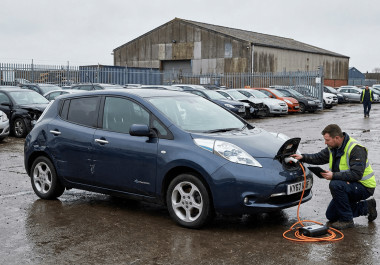
Once the winner, prompt payment and collection are mandatory under auction rules. Arrangement for the vehicle’s collection must be made, remembering that most salvage vehicles UK are not legal or safe to drive away. A flatbed truck or professional recovery service will be required. Whether winning a standard car or a large asset from the vehicle auctions section, recovery logistics must be planned.
The depot must be contacted promptly after payment to arrange a collection slot that suits the recovery service. All documentation, including proof of purchase, should be ready before arrival. Proper logistical planning ensures a smooth transaction and frees up the depot for the next cycle of thousands of new auction listings.
By reading RAW2K’s listings with the eye of a pro dealer, the confidence and expertise necessary to thrive in the competitive auction environment facilitated by RAW2K Vehicle Auctions are gained. If there are specific questions about a listing, feel free to get in touch with the support team. Ready to find your next project? Simply register to bid to begin.