When a vehicle reaches the end of its road, whether due to a serious failure, catastrophic damage, or simply old age, disposal becomes a necessity. For many, selling a damaged, non-running, or salvage car to a professional vehicle breaker is the most straightforward and fastest solution. Taking a strategic approach to preparation and valuation is crucial before deciding to sell to breaker professionals. This ensures you maximise car return and secure the best possible price.
Understanding the Breaker Market
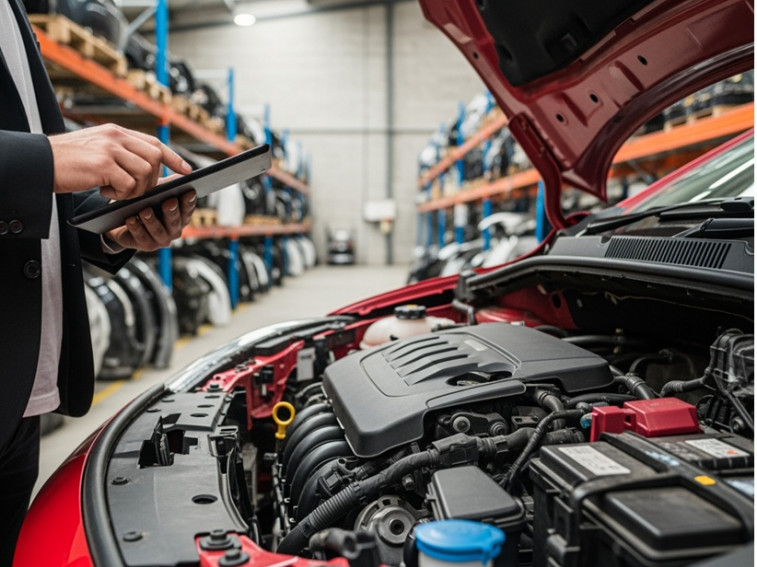
Vehicle breakers, often referred to as Authorised Treatment Facilities (ATFs), play a vital role in the automotive ecosystem. They are not simply scrap yards; they are highly regulated operations focused on environmentally responsible recycling, the vehicle dismantling process, and the harvesting of valuable reusable parts. Knowing this core business model is the first step toward getting a better quote for an unwanted motor.
The Role of Salvage and Usable Parts
Breakers generate their revenue primarily from the parts they recover, which are then cleaned, tested, and sold on the secondary parts market. This means the value of a car is directly proportional to the demand and condition of its individual components—engines, gearboxes, electronics, and body panels. Even vehicles that seem completely ruined can hold significant value in rare or high-demand systems. It is important to understand the current market demand for the specific make and model.
Why Timing Your Sale Matters
The best time to sell to breaker facilities can sometimes influence the price offered. If a popular model has recently been involved in a high number of accidents, the supply of its common reusable parts may be high, potentially lowering the immediate value of the scrap unit. Conversely, if a particular part is suddenly in high demand but short supply, a breaker may offer more to secure that component. Checking the current availability on major part-selling platforms can give a rough idea of demand.
Preparation: Key Steps for Your Vehicle
Effective preparation is the difference between receiving a minimum scrap price and achieving a competitive figure that reflects the true value of the car's components. A vehicle must be thought of not as a single asset, but as a collection of potentially valuable individual parts. By following a clear checklist, you can demonstrate the vehicle’s value and secure a better deal, helping to maximise car return.
Comprehensive Documentation and Paperwork
Breakers need clear, complete documentation to complete the vehicle dismantling process legally and quickly. Before contacting any facility, all necessary paperwork must be gathered. This should include the V5C logbook, any recent MOT certificates, and a clear service history, if available. Even if the car is damaged, having its history proves that its undamaged components were well-maintained prior to the incident.
Failure to provide the V5C can significantly complicate the process and reduce the price offered. The DVLA must also be notified promptly once the transaction is complete to avoid incurring any future liability. Proof of sale and a copy of the final transaction receipt from the breaker must always be kept.
Detailing and Asset Removal
Before handing over the keys, several practical steps should be taken to boost the financial outcome. All personal belongings, documents, and valuables must be removed from the glove box, boot, and under the seats. This includes removing any aftermarket components that can be legally and safely kept or sold separately.
Check whether the vehicle has premium wheels, a high-end sound system, or valuable vehicle accessories that could be sold individually. A cherished number plate could also potentially be removed and transferred or retained before the car is scrapped. Separating these assets from the main vehicle sale is a reliable way to add to the overall return.
Quick Fixes vs. Major Repairs
When deciding how much effort to put into a car before selling it, an important rule applies: preparing a car for a breaker is like getting a house ready for a basic valuation, not an open house. There is no need for major, costly repairs that will not be recovered in the breaker's quote. Focus only on low-cost steps that improve the assessment of high-value components.
For instance, topping up fluids or ensuring the battery holds enough charge to show the engine attempts to turn over can be worthwhile. A breaker is valuing the core parts and materials, not the resale potential as a fully running vehicle. Simple actions like ensuring the windows operate or that the infotainment screen powers on can prove functionality.
The Valuation Process and Negotiation
Once the vehicle is prepared, it is time to engage with potential buyers. Approach this process with the confidence of someone who understands the market value of their scrap or salvage vehicle. Accepting the first offer without gathering comparative quotes must never occur.
Factors Influencing a Breaker’s Offer
A breaker’s offer is based on several key variables, which should be highlighted during negotiations:
-
Weight of Scrap Metal: The basic ferrous and non-ferrous metal values determined by current scrap metal commodity prices.
-
Engine and Drivetrain Condition: The functionality and demand for the engine, gearbox, and related components.
-
Market Value of Reusable Parts: The most significant factor, based on the demand for specific body panels, interiors, and electronic systems for the model in the secondary parts market.
-
Salvage Category (If Applicable): For slightly damaged but repairable vehicles, the category (e.g., Category N) influences potential value for salvage cars.
By proactively mentioning a relatively new engine or an intact, sought-after interior, the valuation pushes beyond simple scrap metal commodity prices.
Getting Multiple Quotes
A minimum of three quotes should be obtained from different companies before agreeing to sell to breaker networks and parting with your unwanted motor. This is the only way to establish a genuine market rate for the specific vehicle. All quotes must be given on the same basis: the same collection criteria, the same description of damage, and the same confirmation regarding documentation.
If a substantially higher quote is received, the other companies should be queried, as this competition can sometimes lead to a slightly improved offer. However, the highest bidder must be reputable and provide a clear process and payment structure. Trustworthiness is key in any disposal transaction.
Why Consider Auction Platforms for Disposal
While selling directly to a breaker is one option, many vehicles that qualify for scrap might actually achieve a much better price through a dedicated auction platform. If a vehicle is repairable, has sought-after parts, or has potential as a low-cost project, an auction can expose it to a wider pool of interested buyers, including professional dismantlers, restorers, and private enthusiasts. Exploring large-capacity auctions is a smart move before settling for a minimum scrap price.
Dealer Stock and Used Vehicle Options
If the vehicle is simply an older used model that is surplus to requirements or requires light repairs, listing it in an auction can yield a greater return than a breaker’s static quote. This is particularly true for light commercial vehicles, where demand remains high. Dealers frequently use these platforms to source affordable stock, and these assets often feature heavily in van auctions and motorcycle auctions.
By listing assets on RAW2K instead of opting for a fixed scrap price, sellers can achieve a significantly higher final value due to competitive bidding among trade buyers and independent repairers.
Leveraging Regional Demand for Better Returns
One of the key benefits of a nationwide platform is its ability to market a vehicle to specific regional buyers, reducing transport hassle for the eventual winner and increasing competition. For example, listing a vehicle among vehicle auctions in Scotland targets local buyers who are keen to avoid long-distance collection fees.
This broader reach significantly increases the chances of a higher final hammer price compared to a single local scrap quote. Buyers looking for specific commercial stock will actively search in their local area. Before finalising the decision to sell to breaker buyers, the competitive environment of an auction must always be considered.
Conclusion
When the disposal method for a vehicle is uncertain, or if help is needed navigating the process, sellers are encouraged to contact us for expert advice. A reputable platform is committed to helping sellers maximise car return through every stage of the sale via a transparent and competitive environment. To explore your options and secure the best price, register for vehicle auctions today.