Purchasing a salvage or damaged vehicle from an auction presents a unique investment opportunity, whether for personal restoration or commercial resale. The key to unlocking that value, however, is accurately predicting the cost of bringing the vehicle back to roadworthy condition. Without a diligent and informed approach to damage assessment, a high-value prospect can quickly become an overwhelming financial liability.
The difference between profit and loss often comes down to precise arithmetic and a clear understanding of the vehicle's condition before a bid is placed. This essential guidance details the steps required for generating a reliable repair estimate UK, ensuring every auction strategy is grounded in realistic figures. Successful bidders treat this evaluation process as seriously as the bidding itself.
Assessing Damage and Vehicle Categories
The most effective way to start any assessment is by deeply scrutinising the photographic evidence and the accompanying vehicle history provided in the auction listing. Platforms like RAW2K provide detailed vehicle auction listings with comprehensive photos and documentation. The insurer-assigned category is the first and most critical clue, instantly signalling the level of damage sustained and the subsequent complexity of repairs. Do not underestimate the details; even minor visible damage can hint at significant underlying issues.
Understanding the Salvage Categories
UK salvage categories are designed to clearly identify the extent of a vehicle's damage, directly impacting the potential car repair costs. Buyers must internalise these definitions, as they govern both the complexity of the repair and the post-repair administrative requirements. Never assume a Category S vehicle is simply a cosmetic fix; it demands specialist attention.
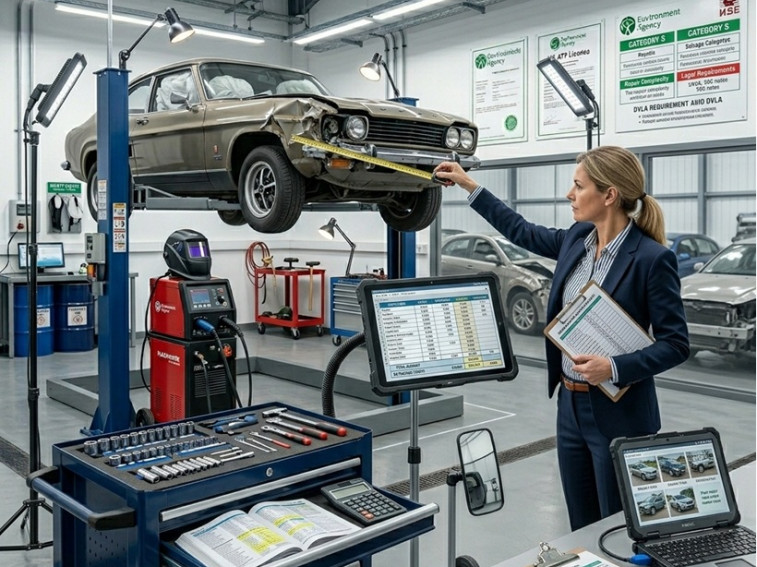
Category S (Structural Damage): These vehicles have sustained damage to their chassis or structural frame, meaning the integrity of the vehicle is compromised. Restoration requires specialised equipment, such as a chassis jig, and professional expertise to ensure the vehicle is structurally sound and safe. This type of Category S structural damage generally incurs the highest average car repair costs.
Category N (Non-Structural Damage): Whilst potentially extensive, damage here does not affect the core structure. It often involves components like the engine, suspension, electrics, or interior. Repairs might involve significant parts replacement but typically avoid the extremely high labour costs associated with structural alignment.
Going Beyond the Surface: Looking for Hidden Faults
Visible body damage is usually simple to catalogue, but hidden mechanical, suspension, or electronic faults frequently surprise unprepared buyers. You must become a virtual detective, analysing subtle clues in the listing to anticipate unseen issues that will inflate your repair estimate UK. A slight offset in a wheel in a photo, for example, could indicate costly suspension or subframe damage.
Always check for these common hidden damage indicators:
-
Fluid Leaks: Dark stains or residue beneath the engine or gearbox visible in photos might signal major mechanical faults requiring specialist labour.
-
Airbag Deployment: If airbags have deployed, you can guarantee complex and expensive electronic repairs are needed, including dashboard replacement and sensor resets.
-
Water/Flood Damage: Look for visible water lines in the interior or corrosion on low-mounted engine components. Flood damage can lead to irreversible electrical issues and extreme long-term corrosion.
-
Suspension or Steering Alignment: Vehicles showing impact near the wheels might need new steering racks, wishbones, and hubs, dramatically adding to your total outlay.
Calculating Your Repair Estimate UK Methodology
Once you have completed a detailed damage assessment, the next crucial step is to translate that damage list into accurate financial figures. This requires a systematic approach to parts sourcing strategies and labour cost calculations, treating the process as a meticulous construction project. Remember that every hour of specialist labour adds to your overall car repair costs.
The Multi-Faceted Cost of Parts Sourcing
The decision regarding where you source replacement parts can have a huge impact on your total repair estimate UK. You have several options, each with different price points and availability considerations. Dealers often benefit from existing networks, but private buyers can also source intelligently.
New Original Equipment Manufacturer (OEM): Guaranteed quality and fit, but prohibitively expensive for most salvage repairs. This route significantly increases car repair costs.
New Aftermarket Parts: A cost-effective alternative to OEM, but quality and fit may vary. Use reputable brands only to avoid future safety issues.
Used/Recycled Parts: Sourced from breaker yards or other vehicles, these parts offer the best cost savings and are ideal for non-mechanical items like body panels or interiors. This applies equally to motorcycle salvage and car parts.
The most successful buyers of salvage vehicles will always price the parts using a blend of the latter two methods, creating a realistic, cost-controlled materials budget.
Factoring in Labour and Specialist Skills
Labour cost calculations are often the most significant and unpredictable component of the budget. You must calculate the required repair hours and apply realistic hourly shop rates for your region. Structural repairs on Category S vehicles demand expert welding and chassis alignment, which commands higher rates than simple bolt-on panel replacement.
Standard Mechanical/Body Labour: Estimate the time required for non-structural fixes, such as replacing radiators, lights, or simple suspension components.
Specialist Structural Labour: For Category S structural damage, budget for dedicated frame time on a jig. This work is time-consuming and complex, and underestimating it is a fatal budgeting error.
Paint and Finish: Full resprays or complex blending jobs add significant expense. Always get a professional quote if you plan on selling the vehicle for top retail value.
Finalising Your Total Acquisition Budget
A winning auction bidding strategy is one that considers all financial factors, not just the repair labour and parts. You must combine the calculated repair total with the fixed costs associated with the auction process to arrive at your absolute maximum bid. This maximum price is your limit; once reached, you must walk away, regardless of how attractive the vehicle is.
Combining Fixed Costs with the Repair Estimate
Your total acquisition cost is the only number that truly matters, as this figure determines your profit margin or personal savings. Do not proceed to bid until this final number is locked in.
Your final budget breakdown must include:
-
Maximum Hammer Price: Your target winning bid.
-
Buyer's Fees: The Buyer's Premium and applicable VAT.
-
Transport Costs: Moving the non-running vehicle from the auction yard to your repair facility.
-
The Repair Estimate UK: The total, realistic sum of parts and labour.
-
Re-registration Costs: Including the required MOT re-test after repair and potential VOSA inspection fees for Category S vehicles returning to the road.
If the market price of the repaired vehicle minus your total acquisition cost does not leave a desirable margin (or saving), the vehicle is simply not worth the risk, regardless of its appearance.
The Post-Repair Legal Requirements
After successfully completing the physical repairs, especially on a Category S vehicle, there are legal hurdles you must clear before the vehicle is road legal. All written-off vehicles must pass a new MOT after repairs, and you will need to apply to the DVLA for a new V5C registration document. Ensure your repairer documents the Category S structural damage process rigorously, as this paperwork is essential for proving the car's safety and legitimacy to future buyers.
Conclusion
The world of online vehicle auctions is ripe with opportunities for prepared and disciplined buyers. By treating the repair estimate UK as the non-negotiable anchor of your bidding strategy, you can confidently participate and secure quality vehicles at exceptional value. Register today and start your detailed assessments by exploring the current listings available. For specific questions regarding repair cost estimation, contact our team for guidance.