Deciding to scrap your old or damaged vehicle is a significant financial and logistical decision. You want the highest possible return, but securing a fair price shouldn't come at the cost of legal compliance or reliability. For both private owners and commercial operators looking to clear out ageing assets, the process starts with Choosing the Right Scrap Car Buyer. It's not simply about finding the highest quote; it's about ensuring a safe, legal, and hassle-free transaction that protects you from future liability. Understanding the essential factors in selecting a reputable dealer will secure your vehicle's best final value.
Establishing the Legal and Financial Foundations
Before your vehicle leaves your driveway, you need a firm understanding of the legal landscape and how a vehicle's condition translates into its scrap value. Responsible scrapping protects the environment and ensures you meet all your obligations to the DVLA. This initial preparation is vital for ensuring a smooth, secure disposal.
The Mandate for Authorised Treatment Facilities (ATFs)
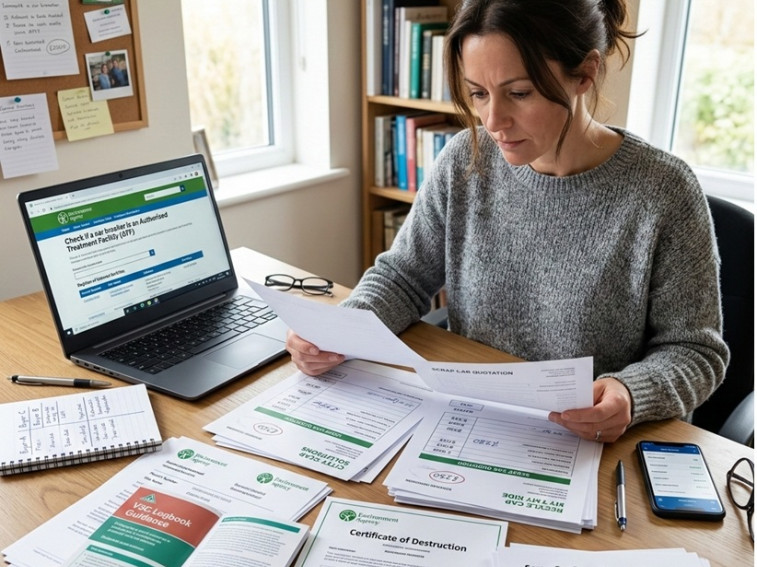
In the UK, vehicles must be scrapped only at an Authorised Treatment Facility (ATF). This is a non-negotiable legal requirement designed to ensure hazardous waste is handled correctly and vehicles are recycled according to strict environmental standards. An ATF is legally responsible for de-polluting the vehicle, which includes safely removing oils, brake fluids, and batteries before crushing.
When the vehicle is processed, the ATF issues a formal document known as the Certificate of Destruction (CoD). This Certificate of Destruction issuance is the most critical piece of evidence you will receive, legally releasing you from all future responsibility for the vehicle. If a scrap buyer cannot guarantee they will provide a CoD, they are likely not an ATF, and you should immediately look elsewhere. Always insist on receiving your CoD promptly after the vehicle is collected.
Understanding the Vehicle's Base Scrap Value
A vehicle's scrap price is primarily determined by its weight, as metal is sold by the tonne, but other factors also come into play. The make, model, and presence of valuable parts such as catalytic converters can significantly increase the final quote. Prices fluctuate with global commodity markets, so don't be afraid to compare a few quotes before making a commitment. Some vehicles with repairable damage may be worth more through salvage vehicle auctions than flat scrap rates.
It's important to clarify whether the quote is a fixed price or a speculative offer, as some unscrupulous buyers may try to haggle the price down upon collection. A trustworthy buyer will honour the quote provided, assuming the description of the vehicle's condition was accurate. Knowing this helps when you're Choosing the Right Scrap Car Buyer to handle your end-of-life vehicle efficiently.
Vetting Dealers: Compliance, Payment, and Logistics
When vetting potential buyers, you need to prioritise credibility and compliance above all else. A buyer offering a slightly lower price but guaranteeing legal compliance and efficiency is always better than a dubious buyer promising an inflated cash sum. Effective due diligence here secures your peace of mind and your legal standing.
The Importance of Legal Payment Methods
The easiest way to begin Picking a Trusted Scrap Car Dealer is to confirm their status as an ATF or their direct affiliation with one. A legitimate dealer will proudly display their licences and certifications, demonstrating their commitment to environmental and legal standards. Furthermore, legal payment methods since the 2013 Scrap Metal Dealers Act dictate that cash payments for scrap cars are illegal. All legitimate buyers will pay via bank transfer or cheque upon collection.
The prudent approach involves vetting collection efficiency and adherence to payment laws. A commercial client disposing of a non-running fleet vehicle, for example, prioritised a buyer who guaranteed bank transfer payment upon collection and provided a clear CoD receipt electronically. For fleet operators, commercial vehicle platforms can provide alternative disposal routes. This efficiency, coupled with strict adherence to the Scrap Metal Dealers Act, demonstrates a commitment to transparency. Ensuring the dealer meets these standards when Picking a Trusted Scrap Car Dealer mitigates legal and logistical risks associated with unauthorised cash transactions or collection delays.
Dealing with Paperwork and Collection Efficiency
A key indicator of professionalism is the speed and method of collection. Reputable buyers offer free, efficient collection services within a guaranteed timeframe, often within 24 to 48 hours of agreeing on the price. Before the collector arrives, remove all personal belongings and ensure the V5C logbook is ready. You need to fill out the V5C correctly and confirm legal payment methods will be used, typically signing the document and keeping the relevant section (usually section 4 or 9, depending on the document version) to notify the DVLA yourself. Never hand over the entire V5C to the collector.
Maximising Value: Scrap or Salvage Auction?
While scrapping offers a fast, guaranteed return, some end-of-life or damaged vehicles might be worth significantly more through auction, especially if they are sought after for parts or specialist repair. This is where the distinction between "scrap" (metal value only) and "salvage" (parts/repair value) becomes crucial. Vehicles with Category S damage or highly desirable components often perform better when listed as salvage cars for sale.
Evaluating the Auction Potential of Your Vehicle
Instead of settling for scrap price, consider listing your asset on a dedicated platform like RAW2K, which targets professional dealers and dismantlers. These buyers pay premiums for vehicles with high-demand parts or minor damage that is easily repairable for resale. For example, a non-running but intact commercial asset might receive a higher return through auction than a flat scrap rate.
If you have two-wheeled assets to dispose of, the potential for better returns also exists; don't forget to check the dedicated scooters and motorbikes listings. The competitive nature of auctions often pushes the final price far beyond the metal value, ensuring you truly maximise your return.
Regional Advantage for Commercial Sellers
For businesses managing fleets or large numbers of end-of-life assets, utilising regional auction platforms can save substantial transport costs. For instance, a vehicle located in a major urban hub might benefit more from being listed regionally than paying to transport it elsewhere for scrap. RAW2K provides this robust platform for assessing that true salvage value before you resort to scrapping.
The variety of regional inventory handled by RAW2K across the country, from Scotland to the South East, provides consistent opportunities for both the trade and private seller looking to dispose of an asset at its best possible value.
Your Final Steps for a Secure Disposal
The final stage is notifying the DVLA that the vehicle has been scrapped. The most vital step after collection is using the Certificate of Destruction issuance information to notify the DVLA that the vehicle has been scrapped. This is often done online and is essential for stopping your insurance and road tax liability. A reliable partner ensures this process is seamless.
You deserve a service that respects both your time and the regulatory framework. By following these steps and focusing on ATF certification, you are actively Choosing the Right Scrap Car Buyer to maintain your peace of mind. Verifying ATF certification ensures legal compliance and environmental responsibility. To explore alternative disposal options for vehicles that might have salvage value, you can register with auction platforms to compare market values. If you require any advice regarding documentation or the best disposal route for a specific vehicle, you can always contact us directly.