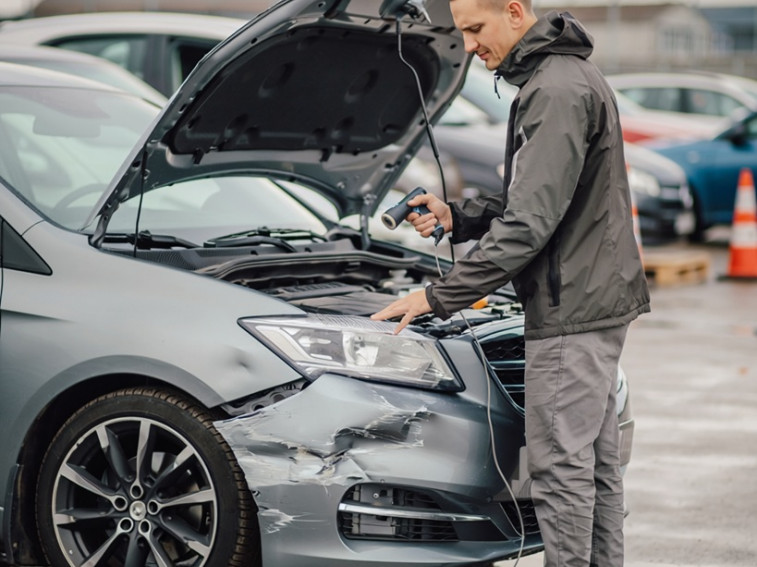
The cost of living has impacted every budget, and this is clearly visible in the automotive sector. New electric vehicles still carry high price tags, while running costs for petrol and diesel cars continue to climb. This situation has created a perfect storm for buyers who know where to look.
Currently, damaged electric vehicles have quietly become one of the smartest investments in the auction environment. Buyers are regularly acquiring electric hatchbacks for a fraction of their retail price. After completing minor repairs, these vehicles yield substantial financial returns. The logic has shifted fundamentally, and buyers who understand salvage EV profitability early are securing excellent margins.
The current economic car market has not just made damaged electric vehicles attractive. It has made them essential for anyone serious about vehicle trading or running a cost-effective business fleet. Mastering fundamental cosmetic repair economics at this stage allows buyers to transform these initial savings into genuine, reliable profit.
Why Economic Pressure Creates EV Opportunities
Fuel prices remain high even when crude oil markets settle. Diesel and petrol costs have reset at levels that make daily commuting very expensive for average households. This pushes more drivers toward electric alternatives. However, the new electric market remains out of reach for most budgets.
Auction vehicles offer a brilliant solution. These vehicles provide the low running costs of electric motoring without the massive initial investment. For instance, an electric saloon with minor front-end damage might cost a third of its new price at auction. Once repaired, it delivers the exact same cheap running costs as a pristine model.
The price gap between new electric cars and auction salvage has never been wider. Manufacturers have largely failed to drop prices to match the realities of the current economic car market. Meanwhile, insurance write-offs keep flooding the secondary market at highly realistic values. This basic supply and demand dynamic heavily favours the salvage buyer.
The Hidden Value in Insurance Write-Offs
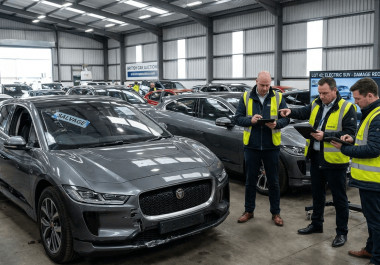
Insurance companies tend to write off electric vehicles more readily than conventional cars. This creates a goldmine for buyers who understand the category system. Superficial damage near a battery housing might trigger a Category N classification, even when the internal cells are perfectly sound. Insurers play it very safe with electrical systems. Consequently, genuinely repairable vehicles regularly end up in auctions.
Category N vehicles have no structural damage. This makes them ideal for quick, straightforward repair turnarounds. Category S classifications do involve structural repairs. However, on electric vehicles, this often means replacing aluminium body panels rather than fixing complex mechanical systems. The repair costs are highly predictable, and the profit margins remain robust.
Think of a Category N electric car like a house needing cosmetic updates. The foundational structure is entirely sound. Buyers simply need to address the surface damage and replace a few bolt-on components to restore its full value.
Running Costs and Maintenance Savings
The real secret to salvage EV profitability lies in the long-term running costs. This is especially true for buyers keeping the vehicles for fleet use or personal transport. With overnight charging tariffs, powering an electric vehicle costs a fraction of filling a diesel tank. For trade buyers running multiple vehicles, this daily difference compounds incredibly quickly into massive annual savings.
Maintenance costs tell an even better financial story. Electric vehicles have far fewer moving parts. There are no oil changes, no timing belts, and brake pads last significantly longer thanks to regenerative braking. A well-repaired electric vehicle will cost far less to maintain over three years than a comparable diesel van.
When browsing damaged cars for sale, factoring in these reduced operational overheads is crucial. The total cost of ownership plummets when routine garage visits are largely eliminated from the business model.
Addressing Battery Anxiety and Diagnostics
Many buyers worry unnecessarily about battery life, and this fear keeps auction prices artificially low. In reality, battery degradation is vastly overstated, particularly on vehicles less than five years old. Most modern electric cars retain excellent battery capacity well past 100,000 miles. Modern thermal management systems protect the cells remarkably well.
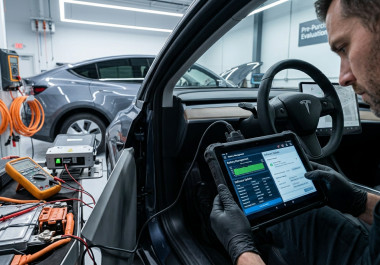
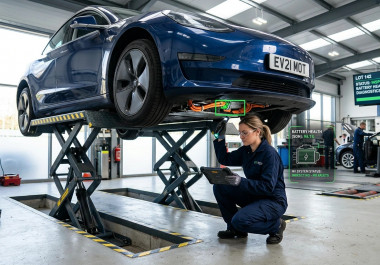
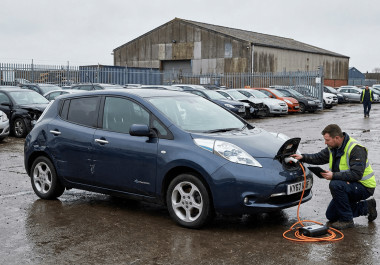
Smart buyers use this hesitation to their advantage. A quick health check using proper high-voltage battery diagnostics provides crucial insights regarding its longevity. If the state of health reads above 85%, the vehicle likely has years of reliable service ahead. In addition, salvage examples rarely have battery-specific damage unless explicitly stated in the listing.
Traders frequently avoid perfectly good electric stock due to these battery myths. By reviewing listings on salvage auto auctions and insisting on verification of battery health, informed buyers secure highly capable vehicles that others are simply too nervous to bid on.
Evaluating Repair Economics and Profit Margins
Repairing damaged electric cars costs less than most people assume. This is particularly true for Category N classifications. Body panels, lights, bumpers, and trim pieces cost the same as they do for conventional vehicles. While buyers must use qualified technicians for electrical repairs, the overall cosmetic repair economics remain highly favourable.
For example, replacing a front bumper and headlight alongside basic paintwork is a highly predictable expense. Buying a damaged hatchback at auction and investing a sensible amount in repairs often yields a retail-ready vehicle for thousands below market value. This creates a highly reliable profit margin for trade buyers.
Even Category S repairs remain economical if buyers are selective. Sticking to predictable body repairs and avoiding compromised battery housings keeps budgets under control. When exploring salvage vehicle auctions, mastering these metrics helps ensure every acquisition remains safely within its projected budget.
Sourcing Strategies and Regional Advantages
Electric vehicle write-offs are not evenly distributed across the UK. This creates excellent geographic opportunities for flexible buyers. Urban areas naturally produce more electric write-offs simply because there is a higher concentration of these vehicles on city roads. Buyers willing to arrange transport can access better stock and face much lower local competition.
Scotland and the South East typically offer higher volumes of electric inventory. Meanwhile, regions like Wales often see less bidding competition on electric stock. Transport costs are highly predictable and usually charged per mile by specialist recovery firms.
Factoring these transport fees into the maximum bid allows buyers to profit from vehicles located hundreds of miles away. By searching through national salvage inventory, buyers can systematically target regions where local demand is temporarily soft, securing better baseline prices.
Navigating Insurance and Registration
Insuring a repaired electric vehicle is a straightforward process. While premiums are typically slightly higher than for a clean-title vehicle, this minor increase is easily offset by the massive initial purchase savings. Several mainstream insurers now readily cover both Category N and Category S vehicles without demanding excessive premium hikes.
The administrative process follows standard DVLA protocols. Once repairs are fully completed, Category S vehicles must be made fully roadworthy and pass a stringent MOT before returning to the public highway. Following this, the logbook is updated to reflect the salvage category, making the vehicle entirely road-legal.
Retail buyers are becoming increasingly comfortable with salvage histories, provided sellers are transparent. Disclosing the category and providing clear repair receipts builds immense trust. This transparency helps combat steep salvage vehicle depreciation, ensuring the car maintains strong resale value when competing against standard used cars for sale.
Making the First Salvage EV Purchase
For those new to the electric salvage market, starting small is the best strategy. Targeting a popular model with minor cosmetic damage provides a very forgiving entry point. Parts are readily available, and the repair processes are well-documented across the industry. The primary goal of a first purchase is learning the process rather than maximising immediate profit.
Buyers must establish a strict budget before placing any bids. This budget should include the maximum auction bid, estimated repair costs, transport fees, and a sensible 15% contingency fund. Prioritising high-voltage battery diagnostics when inspecting potential stock is also a mandatory step in this process. Profit comes directly from bidding discipline. If the live bidding exceeds this calculated maximum, the smartest move is to simply walk away.
The current economic car market demands careful financial planning. By participating in online auctions with a rigid financial framework, buyers protect their capital. Understanding the nuances of salvage vehicle depreciation and repair costs ensures every purchase remains a calculated, highly profitable investment.
The Bottom Line
The current financial climate has created a rare alignment of factors that make electric salvage genuinely lucrative. High fuel costs, expensive new models, and growing buyer acceptance have converged perfectly. These vehicles offer exceptional salvage EV profitability for those willing to understand the specific repair dynamics.
Whether expanding a garage into electric repairs, seeking new dealership profit streams, or securing affordable personal transport, auction sourcing remains the optimal strategy. The vehicles are available, the economics are proven, and the ongoing demand is undeniable.
To explore the current market and evaluate available stock, buyers can browse the RAW2K platform to conduct independent pricing analysis.
For general inquiries regarding the bidding process or administrative procedures, please contact us directly for reliable guidance.
Once prepared to execute a strategic acquisition, simply register for salvage auctions to begin securing highly profitable electric vehicles across the national market today.