Spotting a used electric vehicle at auction with a high range figure during the colder spring months requires careful thought. When assessing secondhand EV range, low temperatures heavily impact battery performance. Spring weather in the UK offers very mixed conditions, jumping from frosty mornings to mild afternoons. This temperature swing actually creates the perfect testing ground for buyers to check battery health before placing a bid.
Electric vehicle batteries use lithium-ion cells, which are very sensitive to temperature drops. When temperatures fall below 10°C, the internal chemistry slows down. This reduces the battery's ability to deliver power smoothly and accept new charges quickly. On top of that, heating the cabin pulls power directly from the main battery pack. Unlike standard engines that use waste heat, electric models must create warmth from scratch.
As a result, cold weather electric cars often see a 20% to 40% drop in their stated range. This drop is a standard physical limit, not a mechanical fault. However, telling the difference between normal temperature drops and genuine battery capacity degradation is absolutely vital for any smart auction buyer.
Understanding the Three Tiers of Range Estimates
When checking listings, buyers usually see the WLTP (Worldwide Harmonised Light Vehicle Test Procedure) figure. This laboratory test happens at a perfectly warm 23°C without any heating or air conditioning running. A car claiming 240 miles WLTP will rarely hit that mark on British roads. During mild summer weather, practical efficiency usually sits between 70% and 85% of the official rating.
However, winter and early spring bring much sharper drops. At 5°C with the heater on, efficiency easily falls to half or two-thirds of the official figure. A compact hatchback advertised with 200 miles of range might only deliver 120 reliable miles during a cold March commute. Understanding these three levels stops buyers from overestimating secondhand EV range during their initial checks.
Assessing Battery Health and Diagnostics
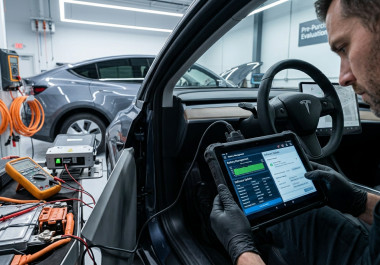
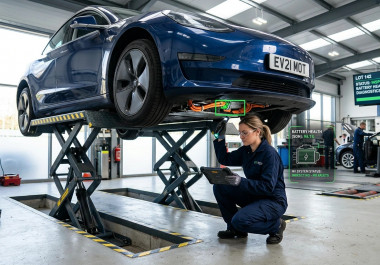
The most important detail for evaluating cold weather electric cars is the battery's State of Health (SoH). This percentage shows the remaining capacity compared to when the car left the factory. A battery keeping 90% SoH is an excellent find. Figures between 80% and 89% remain highly functional but should guide a careful bidding strategy. Anything below 80% points to advanced battery capacity degradation and potential replacement costs.
Battery wear does not happen at a steady pace. The biggest capacity drops usually happen in the first few years before the cell chemistry settles down. A three-year-old car showing 92% capacity will likely hold that figure for a good while. Buyers examining damaged cars for sale must focus on models with proven SoH data to avoid buying cars that need immediate, expensive repairs.
Interpreting Mileage Patterns and Charging Histories
Checking the service history and daily habits provides great clues about future performance. A car covering 60,000 miles through steady motorway driving often has better battery health than one doing 30,000 miles of short city trips. Consistent, smooth driving helps maintain healthy cell chemistry.
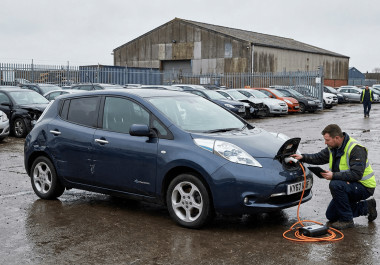
On the other hand, relying heavily on rapid charging cycles speeds up internal cell wear. Vehicles previously used as taxis or delivery vans often go through multiple rapid charging cycles every day. This heavy usage pattern impacts long-term reliability. When checking inventory on salvage auto auctions, targeting privately owned cars charged mainly on slow home chargers actively lowers these risks.
Practical Spring Weather Testing Strategies
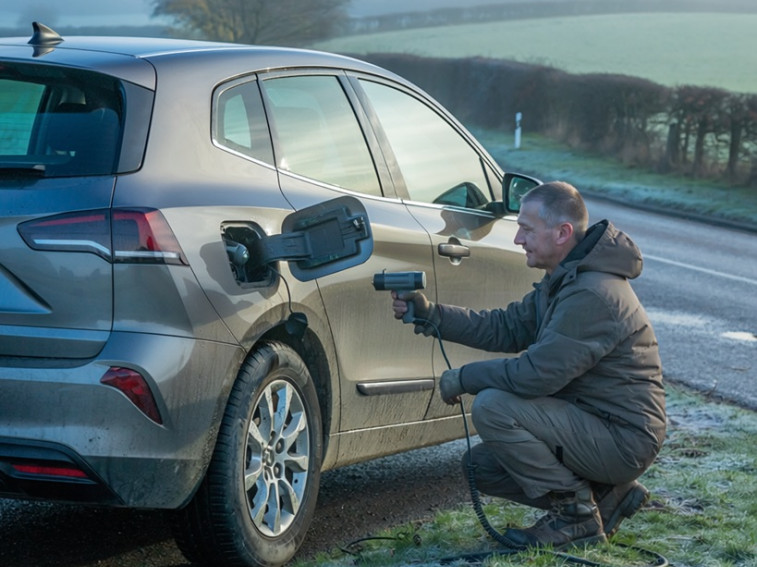
Spring weather provides great testing conditions thanks to clear temperature swings. Checking a car on a frosty morning lets buyers see how heavily the heating system drains the main battery. A healthy battery should show a steady, expected drop in displayed range when the heater turns on. Sudden or erratic drops hint at serious cell issues.
Later in the afternoon, as temperatures rise, overall efficiency should clearly improve. Modern thermal management systems work constantly to regulate cell temperatures for the best performance. If a car shows very little improvement during warmer afternoons, these thermal management systems might be failing. This shows exactly why strict physical checks are so important before joining any online car bidding.
Calculating Practical Efficiency Metrics
A great way to evaluate a car is checking the miles per kilowatt-hour (mi/kWh) figure in the trip computer. This number shows actual running efficiency instead of relying on optimistic dashboard guesses. A standard electric hatchback should hit about 3.5 to 4.0 mi/kWh during normal spring conditions.
If the display shows a number 20% below standard benchmarks, it highlights either heavy previous driving or serious battery capacity degradation. Multiplying the mi/kWh figure by the usable battery capacity gives a highly accurate look at the practical secondhand EV range. Using this simple math ensures buyers browsing used cars for sale base their investments on hard facts rather than marketing claims.
Regional Factors and Pre-Purchase Due Diligence
Where a car has lived heavily influences its battery life. Because cold weather electric cars driven mostly in northern Scotland face different thermal stresses than cars in southern England, location truly matters. Long exposure to colder average temperatures forces thermal management systems to work harder over the vehicle's entire life.
Also, cars from coastal areas might suffer from salt corrosion on important cooling pipes and battery seals. Spotting these regional details allows trade buyers to accurately price geographic risk when sourcing inventory through salvage car auctions UK. Successful auction buying requires strict checks beyond just the mechanics. Buyers should always check if the car includes its original charging cables, as buying replacements adds unnecessary cost. Checking for active manufacturer warranties is also a very smart move.
Most importantly, understanding the impact of high-volume rapid charging cycles ensures buyers pick cars that match their long-term needs. For those ready to explore the market, evaluating repairable vehicles for sale using these strict rules creates a much safer financial investment.
The Bottom Line
Properly judging an electric vehicle's efficiency in cold weather means looking past optimistic manufacturer claims. By checking State of Health metrics, understanding battery cooling, and looking at past driving habits, buyers can confidently predict long-term value. The spring season offers a great window for making these checks, allowing buyers to secure highly capable cars before winter returns.
To review the latest inventory and conduct independent market research, buyers can explore the RAW2K platform to locate suitable vehicles.
Once prepared to make a smart acquisition based on these simple metrics, just register for salvage auctions to begin securing thoroughly checked electric vehicles today.