Acquiring salvage cars for sale through salvage vehicle auctions can be a rewarding way to secure a vehicle at a fraction of its market value. However, the true value of that purchase hinges entirely on the quality and cost of its repair and restoration. The fundamental question for every winning bidder is whether to tackle the restoration as a DIY car repair project or entrust it to specialists for professional car repair. This decision should not be taken lightly, as it affects the vehicle's structural integrity, roadworthiness, and future insurability.
The vehicles available in auctions range from those needing minor cosmetic fixes to those requiring substantial work following serious accidents. Understanding the damage category and accurately estimating the labour involved is the first step toward making an informed choice. Understanding the necessary skills, costs, and steps ensures your project is completed safely, legally, and profitably.
Assessing the Damage Category and Scope
Before committing to any repair strategy, a buyer must first confirm the severity and legal classification of the damage sustained. The UK insurance categories serve as the essential starting point, immediately defining the repair complexity and the subsequent re-registration requirements. Overlooking this detail can lead to significant budgetary overruns and legal hurdles down the road. Buyers can browse all available stock on main listings pages to find suitable, realistically repairable projects.
Understanding Structural and Non-Structural Implications
The designation of a salvage vehicle as Category S or Category N is the primary factor dictating the repair approach. Category S vehicles have sustained chassis or structural frame damage, and legally require professional expertise and jig work to correct alignment issues. Attempting structural repairs without certified equipment is unsafe and will likely compromise the vehicle’s integrity, which is why most private buyers should rule out this level of DIY car repair. Conversely, Category N vehicles only have non-structural damage, such as superficial bodywork issues, minor mechanical faults, or interior water damage.
These non-structural faults are often ideal candidates for skilled enthusiasts who prefer handling the mechanical and cosmetic elements themselves. The repair difficulty should always be weighed against the potential cost savings achieved at auction.
Getting a Comprehensive Repair Estimate
Regardless of who performs the work, a detailed, itemised repair estimate is essential for verifying profitability. This estimate must account for parts, specialist equipment hire, and, crucially, the labour costs associated with specific tasks like welding or paintwork. Experienced buyers always factor in a contingency buffer because hidden damage often emerges once the vehicle is dismantled.
It’s advisable to have the vehicle assessed by a qualified body shop, even if the plan is to do the work, to get an expert perspective on the necessary steps. This ensures buyers aren't basing their budget on a hopeful guess, particularly for Category S vehicles where hidden structural frame damage is common. Once a clear financial blueprint is established, buyers can confidently proceed with their purchase, perhaps even sourcing new stock through our online salvage auto sales platform.
The Benefits and Limits of DIY Car Repair
Choosing the do-it-yourself route is highly rewarding, offering significant cost savings and the satisfaction of restoring a vehicle with one's own hands. This option is best suited for those with a defined skill set, access to necessary tools, and, most importantly, sufficient time to dedicate to the project. However, recognising the limitations of a private workshop is vital for safety and regulatory compliance.
Appropriate Projects for the Enthusiast
Many tasks associated with Category N vehicles are perfectly manageable for someone with solid mechanical aptitude. These repairs generally involve removing and replacing bolt-on parts, such as bumpers, doors, wings, radiators, or lights. Interior restorations, including replacing carpets or fixing electrical faults not related to the main wiring harness, also fit neatly within the scope of competent DIY car repair. If buyers are sourcing vehicles regionally, such as from local salvage auction sites in the North West, keeping the repairs manageable locally saves significantly on labour and transport.
Repairing a repairable write-off is comparable to assembling a complex furniture set that requires precision, specific tools, and a clear instruction manual. An enthusiast can handle the assembly of bolt-on parts, but should avoid trying to manufacture the structural components themselves.
Skills, Tools, and Time Investment
Successful DIY car repair demands more than enthusiasm; it requires the correct tools, a suitable workspace, and an honest assessment of technical ability. Tasks like panel beating, precision alignment, or advanced diagnostics usually require equipment that the average enthusiast simply doesn't possess. Furthermore, the time commitment can easily stretch into months, turning a weekend project into a long-term drain on resources.
If the vehicle requires welding or complex body filler work, it’s usually more efficient to outsource just that specialised task. This hybrid approach combines the cost savings of the DIY route with the quality assurance of professional car repair for the critical elements. Even with smaller projects sourced from damaged motorcycle listings, specialised skills for frame alignment or engine rebuilds are frequently required.
Why Professional Car Repair is Often Necessary
While DIY car repair is attractive for controlling costs, professional car repair becomes a non-negotiable requirement when the vehicle’s safety or structural integrity is compromised. For businesses relying on vehicle fleets, the speed and certified quality of a professional body shop ensure minimal downtime and maximum compliance. The investment in expertise pays dividends in peace of mind and resale value.
Expertise for Structural Integrity
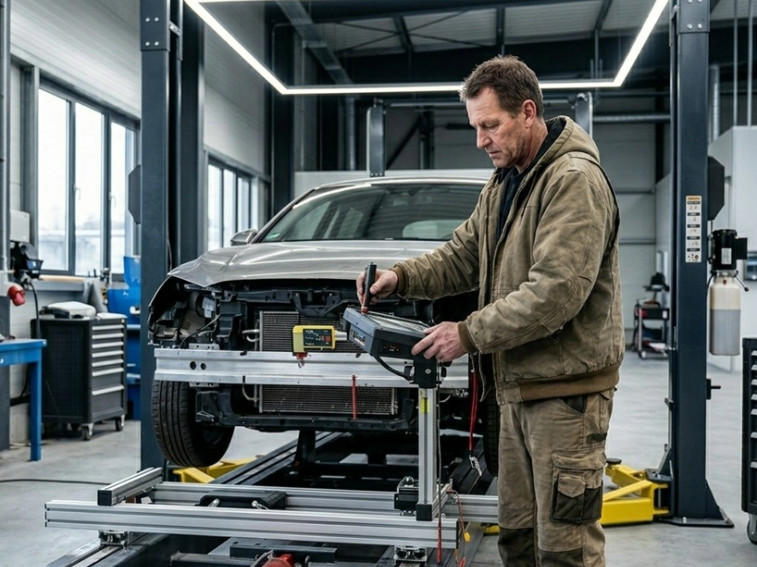
For all Category S vehicles, structural repair is a specialist task demanding a jig to repair structural frame damage to manufacturer specifications precisely. Certified repair technicians have the experience and calibration equipment to confirm that crumple zones and mounting points are correct before the vehicle ever sees the road. This level of precision is impossible to achieve reliably in a home garage and is fundamental to the safety of the driver and passengers.
Using accredited repair centres ensures that the restoration meets legal standards, making the re-registration and future insurance processes far smoother. They provide verifiable paperwork, demonstrating that critical safety systems were properly tested and restored. If there is any doubt about the repair complexity or the documentation needed, buyers can always contact experienced professionals for guidance on procedures.
Documentation, Warranty, and Resale Value
Another powerful advantage of professional car repair is the ability to provide documented evidence of the work completed. This detailed record is invaluable when selling the vehicle, as it alleviates buyer concerns about the salvage history. Furthermore, reputable shops often provide warranties on their structural repairs, adding another layer of security.
For private buyers, this documentation assures safety, while for dealers, it translates directly into a higher, more confidently achieved resale price. The established RAW2K platform ensures buyers always have a wide range of salvage stock to apply these repair decisions to.
The Final Step: Inspection and Certification
Once the repairs are complete, the final hurdle is getting the vehicle legally back on the road. This re-registration process is mandatory for all Category S and N vehicles and proves that the car is safe following its repair. The effort put into documentation during the restoration phase directly impacts the ease of this final inspection.
Proper documentation throughout the repair process is critical. A buyer acquiring lightly damaged Category N vehicles must meticulously record all replacement parts and maintain photographic evidence of the work performed. Without proper guidance, which you can review in our salvage buyer FAQ, the final MOT presentation can be difficult, but thorough preparation allows the vehicle to quickly gain a new certificate without delays.
This thoroughness is crucial because the MOT test will be rigorous, ensuring that all safety systems, from brakes to lights, are functional and compliant. For structurally repaired Category S vehicles, the inspection must confirm the chassis integrity has been fully restored. Whether the buyer opted for a do-it-yourself approach or a professional service, the vehicle must meet the same stringent criteria to pass and be eligible for road use.
If you have any questions regarding required documentation or the bidding process, reach out to our customer support team. To find your next project, create your bidding account to access our upcoming online salvage vehicle auctions today.