The headlines often suggest that electric cars are the inevitable future, with internal combustion engines on a rapid decline. However, for those looking at the used and salvage markets, the decision is rarely that simple. When comparing the costs of running a repaired EV against a similar petrol car, the financial implications extend far beyond the initial purchase price. For many drivers, the primary question is which path actually results in lower day-to-day expenditure.
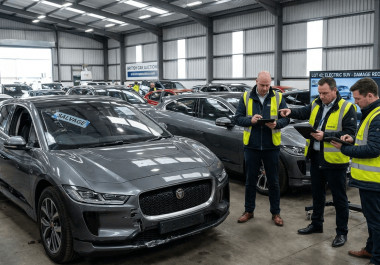
Experienced observers of the auction industry have noted a significant shift in buyer behaviour as salvage electric vehicles appear more frequently in listings. By looking past the marketing narratives and focusing on the actual numbers, it becomes clear how these two vehicle types compare in professional and private use.
The Upfront Price Advantage at Auction
Purchasing any salvage vehicle provides an immediate price advantage. A Category N or Category S vehicle can often be acquired for 30% to 50% less than its clean-titled equivalent. Interestingly, electric vehicles frequently see an even steeper price drop at auction. This is largely because some buyers remain hesitant regarding potential battery damage, even when the impact is purely cosmetic.
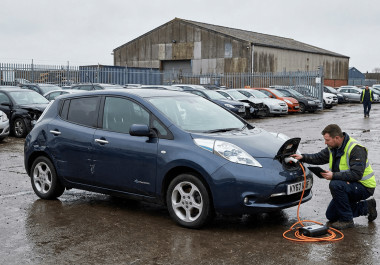
I once watched a 2020 Nissan Leaf with light front-end damage sell for £8,500. A similar model with a clean history would have commanded at least £14,000 on the forecourt. This initial £5,500 saving provides a significant head start before the vehicle even enters service. While petrol cars primarily carry risks associated with mechanical engine wear, the "battery anxiety" surrounding EVs often creates a lucrative gap for informed buyers who understand how to verify the condition of a vehicle's energy storage system.
Fuel and Energy Expenditure Comparison
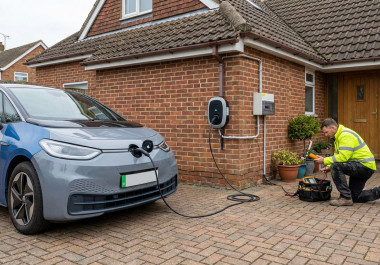
The most immediate difference in write-off cars appears at the fuel pump. For a driver covering 10,000 miles annually in a decent petrol hatchback achieving 45 mpg, the petrol car running costs total approximately £1,460 based on current UK averages. In contrast, an electric vehicle with an average efficiency of 3.5 miles per kWh, charged at home on a standard tariff, would cost significantly less.
When utilising off-peak electricity tariffs, which can offer rates as low as 24p per kWh, the annual cost to cover the same distance drops to roughly £685. This represents a saving of £775 per year. Over a five-year period, this total reaches nearly £4,000. These savings increase further for owners with access to solar panels or free workplace charging, where the cost per mile can effectively drop to zero. For many, the transition to salvage car inventory is justified by these energy savings alone, ensuring that running a repaired EV becomes a sustainable business or lifestyle choice.
Maintenance and Mechanical Simplicity
A traditional petrol engine is a complex machine with over 2,000 moving parts, many of which require regular replacement. A standard maintenance schedule for a petrol car includes:
-
Annual oil and filter changes
-
Timing belt replacements every 60,000 miles
-
Spark plug changes
-
Exhaust system repairs
-
Clutch and gearbox maintenance
By comparison, an electric drivetrain contains roughly 20 moving parts. This mechanical simplicity is a major component of auction locations advantages where buyers can source simpler stock. While EVs are heavier and may wear through tyres slightly faster, they do not require oil changes, exhaust repairs, or complex transmission servicing. Typically, petrol car running costs include between £500 and £800 in annual servicing and wear-and-tear repairs, while an EV averages between £150 and £250. This adds another £500 to the annual savings, bringing the total benefit to over £1,200 per year for those focused on salvage car maintenance efficiency.
Addressing the Battery Longevity Question
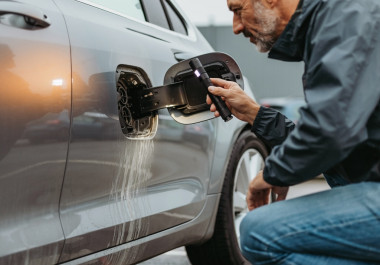
The most common concern regarding damaged vehicle auctions is the health of the battery pack. While battery degradation is a reality, it is rarely as dramatic as feared. Modern lithium-ion batteries typically lose between 2% and 3% of their capacity annually under standard use. When running a repaired EV, it is essential to verify the State of Health (SoH). A battery with 85% health in a vehicle with a 200-mile range still provides 170 miles of practical travel, which is more than sufficient for the average UK commute.
While replacing a battery pack is expensive, ranging from £4,000 to £8,000, most manufacturers provide eight-year warranties on the battery system. Even for salvage vehicles, these warranties often remain valid unless the damage is structural or specifically affects the battery housing. When compared to the cost of a complete engine replacement or a major gearbox rebuild in a petrol car, the long-term risk profile of an electric battery is often comparable.
Regulatory Savings and Insurance Considerations
Beyond fuel and maintenance, regulatory costs play a role. Currently, many EVs benefit from lower or zero-rated road tax, though this is scheduled to change in 2025. Furthermore, for those driving in London or other cities with Ultra Low Emission Zones (ULEZ), an EV provides an immediate saving of £12.50 per day. For a daily city commuter, this can save over £3,000 per year, which alone can justify the choice of an electric vehicle over petrol.
Insurance remains a wildcard. Insuring a repaired salvage vehicle, regardless of the fuel type, usually carries a 20% to 30% premium increase. For EVs, premiums can be slightly higher due to the need for specialist technicians and the higher cost of battery health assessments. However, the total five-year cost of ownership generally favours the EV. A typical salvage petrol car might cost £20,000 over five years including purchase and repairs, while the Category N electric car owner often sees significantly lower lifetime expenditure.
Strategic Selection at Auction
The choice between petrol and electric depends heavily on individual circumstances. An EV is the superior financial move for those with home charging access and moderate daily mileage. However, those in rural areas with sparse charging infrastructure or those who frequently cover 200+ miles in a single day may still find a salvage petrol car more practical.
Regardless of the choice, performing due diligence is essential. Buyers should always check service histories and, for electric models, obtain a battery health report before committing. By browsing current salvage vehicle auctions, buyers can compare potential savings and make an informed decision that suits their actual driving patterns.
For those ready to explore the market, the RAW2K platform offers a diverse range of inventory. Prospective owners can register to begin browsing current stock and compare the potential savings for themselves. Whether choosing the traditional reliability of petrol or the modern efficiency of electric, the auction market remains the most cost-effective way to secure a high-quality vehicle.