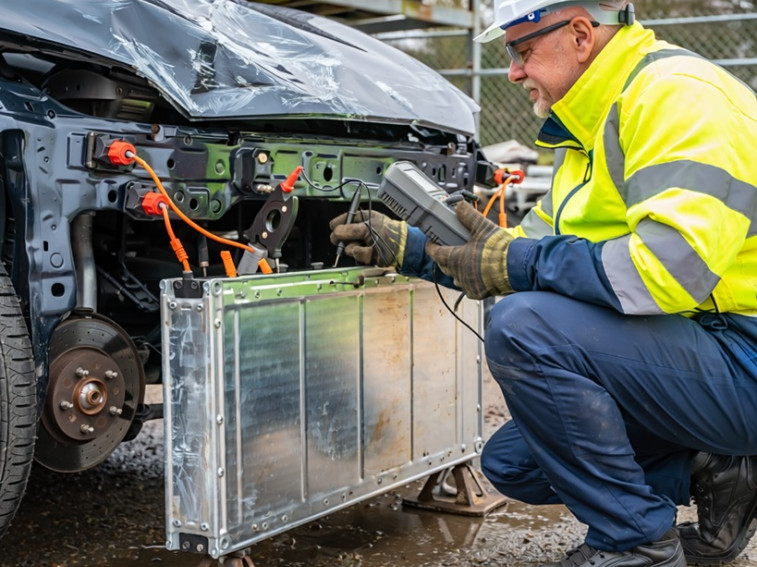
The shift towards electric motoring has fundamentally transformed the automotive industry, bringing a growing number of electric and hybrid models into auction yards across the country. For buyers, acquiring a damaged electric car presents unique opportunities alongside highly specific technical challenges. Unlike traditional internal combustion engines, electric powertrains require specialised knowledge and strict safety protocols. Successfully engaging in salvage EV bidding requires a methodical approach to technical evaluation, as success relies heavily on knowing exactly what to look for before placing an offer.
Understanding Electric Vehicle Architecture
Before calculating any repair margins, buyers must understand the basic layout of modern electric vehicles. The primary power source is the lithium-ion traction battery, which manufacturers typically mount flat beneath the floorpan to lower the centre of gravity. This unit connects directly to various high-voltage components, including the power inverter, the DC-DC converter, and the primary electric drive motors.
Because these systems operate at levels far exceeding standard 12-volt car electrics, they require rigorous inspection protocols. A standard combustion engine might suffer a broken radiator in a front-end collision, but a similar impact on an electric vehicle could crush the onboard charger or compromise the main power inverter. When browsing salvage vehicles auctions, assessing the physical condition of these specific parts becomes the most critical phase of the valuation process.
Visual Inspection of the Battery Pack
The main traction battery represents the single most expensive element of an electric vehicle. Any compromise to its structural integrity can quickly render the car economically unviable for repair, shifting its status from a repairable project to a parts donor.
Enclosure Integrity
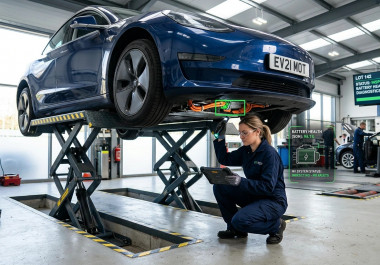
Inspect the underside of the vehicle closely for deep gouges, heavy scrapes, or punctures in the battery casing. Modern electric vehicles feature thick protective skid plates, but substantial impacts can still breach these defences. Even minor dents in the protective shield warrant careful consideration, as internal cell damage might not be immediately visible from the outside. If the outer casing shows signs of heavy impact from a kerb or debris, the internal modules are likely compromised.
Coolant Leaks
Modern high-capacity battery packs rely heavily on liquid cooling to maintain optimal operating temperatures during rapid charging and heavy acceleration. Look closely for signs of coloured fluid pooling around the battery housing, the undertrays, and the cooling lines running to the front radiators. A breached cooling system can quickly lead to severe overheating issues if the vehicle is powered up, and repairing internal battery cooling channels is rarely authorised by manufacturers.
Assessing the Battery Management System
The battery management system acts as the central brain of the electric powertrain. It continuously monitors individual cell voltages, regulates temperatures, and ensures charge levels remain perfectly balanced across the entire pack. A malfunctioning battery management system can prevent the vehicle from accepting a charge, limit power output, or stop the vehicle from starting altogether.
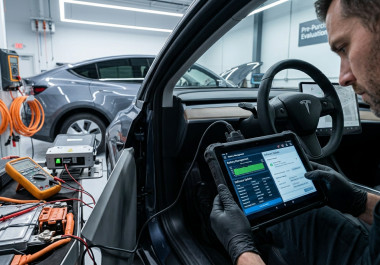
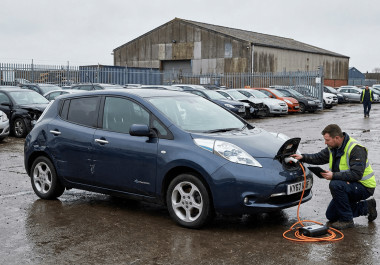
When evaluating any salvage car for sale uk listing, buyers should check if the vehicle powers on to the 'ready' state. In the event of a significant collision, the system registers the crash event through airbag sensors and instantly triggers a pyrotechnic fuse or opens the primary contactors. This safety disconnect isolates the high-voltage components to protect first responders. Resetting or replacing these systems requires manufacturer software and certified diagnostic tools.
Identifying Orange Wiring and Connectors
Main Power Cables
Automotive manufacturers globally standardise high-voltage cabling using thick, bright orange insulation. This specific colour coding serves as a universal warning to technicians, mechanics, and salvage operators. During your pre-purchase checks, visually trace these orange cables from the main battery pack to the inverter and drive motors. Look for stretched wiring, cracked insulation, pinched sections, or disconnected plugs. Any physical damage to the wiring harness connecting the high-voltage components represents a severe safety hazard and typically requires a costly, complete harness replacement rather than a simple splice repair.
Interlock Circuits
The connectors on these thick orange cables contain tiny, low-voltage interlock circuits. If a connector is partially pulled apart or broken during a crash, this low-voltage loop breaks, commanding the main battery contactors to open instantly. Physical damage to these plastic connectors is common in heavy front-end collisions and will completely immobilise the vehicle until the harness is professionally replaced.
Evaluating Thermal Runaway Risk
One of the most serious safety considerations with damaged electric vehicles is the potential for chemical instability within the battery cells. A severe physical impact or an internal short circuit can initiate a cascading heat reaction that spreads from cell to cell. Understanding the thermal runaway risk is absolutely essential for anyone buying, storing, or transporting damaged electric models.
Look for clear warning signs including localised heat damage, blistering paint on the battery casing, melted plastic undertrays, or unusual, sweet-smelling chemical odours. If any of these warning signs are present, the thermal runaway risk remains active and highly dangerous. Vehicles exhibiting these symptoms require immediate quarantine protocols and specialist handling, making them unsuitable for standard repair projects.
Category S Electric Vehicles and Structural Integrity
The UK salvage classification system provides vital clues about the extent of the damage a vehicle has sustained. While they offer significant value to professional repairers, Category S electric vehicles have suffered structural damage that requires professional, certified repair to return to the road safely. This classification carries extra weight when dealing with electric powertrains.
Because the battery pack often forms a rigid part of the load-bearing chassis in modern skateboard designs, structural frame deformation can transfer force directly into the battery housing. When inspecting Category S electric vehicles, pay exceptionally close attention to the mounting points where the battery attaches to the chassis rails. Misalignment, sheared bolts, or tearing in these specific areas suggests the impact force compromised the battery's structural integrity, which often mandates a complete replacement according to manufacturer repair guidelines.
Professional Isolation Fault Diagnostics
Modern electric vehicles feature highly advanced internal monitoring systems designed to detect any electrical leakage between the high-voltage systems and the metallic vehicle chassis. When the system detects a loss of isolation, it immediately shuts down the main contactors to prevent electric shock hazards.
Confirming the exact source of these errors requires professional isolation fault diagnostics using professional-grade diagnostic equipment and specialised megohmmeters. While you cannot perform these deep electrical tests during a standard auction viewing, understanding that professional isolation fault diagnostics will be your first required step post-purchase helps in calculating highly accurate repair margins. Factoring in the cost of specialist diagnostics is a mandatory part of modern salvage calculations.
The Financial Viability of EV Salvage
Calculating the repair costs for electric vehicles differs significantly from traditional combustion cars. The replacement cost of high-voltage components can quickly exceed the pre-accident value of the vehicle, especially on older models where depreciation has taken its toll.
Smart salvage EV bidding involves pricing in the absolute worst-case scenario for any unseen electrical damage. When a project is purchased strictly for parts harvesting, buyers can later utilise a scrap my car service to legally dispose of the remaining stripped shell. This strategy explains why heavily damaged vehicles frequently enter the auction network as prime candidates for component recovery, allowing buyers to extract unaffected electric motors and electronic modules for the secondary market.
Sourcing Technical Data and Support
Working on electric powertrains safely requires uninterrupted access to accurate manufacturer repair procedures. Before finalising your salvage EV bidding strategy, ensure you have secured the correct workshop manuals for that specific make and model. The procedures for safely depowering the system vary wildly between manufacturers, and making assumptions can lead to severe injury or further damage to the vehicle's computers.
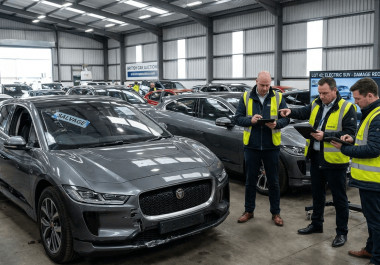
Furthermore, reviewing fundamental auction guides ensures you understand the bidding and collection procedures before targeting complex electric platforms. Checking the available inventory across various car auctions uk allows buyers to compare similar damaged models. Observing multiple vehicles of the same make helps buyers better understand common crash deformation patterns and identify which electrical modules are most frequently crushed in standard collisions.
Conclusion
Successfully participating in the electric vehicle salvage market requires caution, technical awareness, and highly thorough inspection protocols. By carefully evaluating the battery casing, checking the battery management system for activity, and looking for obvious wiring damage, buyers can avoid financially disastrous mistakes. Always prioritise safety and assume all high-voltage components remain live and dangerous until properly verified by a qualified, certified technician.
When you are ready to begin sourcing appropriate projects, browsing the RAW2K platform provides a steady stream of opportunities. To access our daily-updated inventory of damaged and repairable models, simply register for salvage auctions and start building your catalogue today.