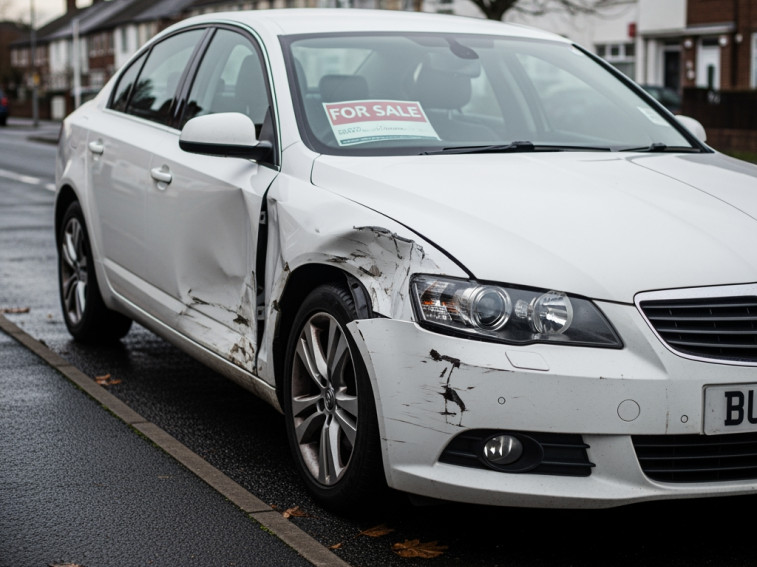
The question of privately selling a vehicle that has been assigned a salvage category is common for both private owners and smaller traders. Many people assume that once a car is categorised, it can only be scrapped or sold through a dedicated auction house. While it is legally possible to sell a repaired salvage car privately in the UK, the process is far more complicated than selling a standard used vehicle. Understanding the obligations of disclosure and the typical buyer reaction is essential to making an informed choice about the disposal route. You need to weigh the potential higher price of a private sale against the time, transparency risks, and difficulties in attracting a willing buyer.
Demystifying Category S and Category N Vehicles
To successfully sell a categorised vehicle, sellers must first have a professional understanding of its status and the repair work required. These modern classifications are designed to be clear indicators of the damage type, which must be fully disclosed to any potential purchaser. Misrepresenting the vehicle's history, even unintentionally, can lead to serious legal complications down the road. Both categories signify that the vehicle was previously declared an insurance write-off by an insurance company.
What Defines Structural vs. Non-Structural Damage?
The UK uses two primary non-write-off categories for salvage vehicles: Category S and Category N. These labels define the severity and type of damage sustained, directly affecting the vehicle’s resale value and repair requirements. A Category S car has suffered damage to its structural chassis, meaning it requires expert assessment and repair by a specialist. This structural damage is serious and demands comprehensive rectification to ensure the vehicle is safe for the road once more.
In contrast, a Category N car has non-structural damage, typically affecting components like body panels, brakes, or electrical systems. While the repairs needed for a Category N car can still be significant, the core chassis remains sound and untouched. Understanding this distinction is key for both repair work and pricing, as buyers perceive the structural damage of a Category S vehicle as a much higher risk.
Legal Requirements for Resale
Selling any repaired salvage vehicle requires strict adherence to legal and administrative requirements to protect both the seller and the buyer. The vehicle must be fully repaired to a roadworthy standard, and if the vehicle was previously an insurance write-off under Cat S, it will need a thorough post-repair inspection. Crucially, the V5C logbook must reflect the vehicle's salvage status, ensuring that its history is transparent. Without complete transparency, sellers could face future claims for misrepresentation from the buyer, making proper legal disclosure essential.
The Challenges of Private Salvage Car Disposal
Although it's legally possible to sell a repaired Category S car or Category N car on the private market, this route presents several practical challenges that can make the process drawn out and frustrating. The key difficulty lies in generating buyer trust, as most private buyers are instinctively wary of vehicles with a salvage history. For many sellers, the immediate solution is bypassing the private market entirely and accessing professional bidders through established salvage car auctions. These professionals are specifically searching for categorised stock, unlike the general public who often seek trouble-free purchases.
Transparency is Non-Negotiable
When attempting to sell privately, absolute transparency regarding the vehicle’s history and repairs is mandatory. You must clearly state the vehicle’s category and provide photographic evidence and invoices of all repairs undertaken. Failing to disclose the salvage status is considered fraud and will inevitably result in the new owner pursuing legal action once they discover the vehicle's past. A private seller often lacks the independent authority of an auction house, making it harder to convince buyers of the quality of the repair.
The Impact on Resale Value and Buyer Trust
The salvage status significantly and permanently affects the vehicle’s market value, even if the repair work is flawless. Private buyers typically expect a discount of 20% to 40% compared to an identical vehicle without a category marker. Selling a salvaged car privately is much like selling a refurbished electronic item; you’ve fixed the problem, but the history dictates a lower price and a smaller pool of interested parties. Most private buyers are simply looking for a simple, trouble-free purchase, and a category marker acts as an immediate red flag.
Calculating the True Cost of Repair and Selling
Before choosing the private sale route, sellers must conduct a rigorous financial assessment that goes beyond the immediate repair bills. The disposal of salvage vehicles is a complex transaction, and the profit margin can quickly evaporate when factoring in non-monetary costs. The decision to sell should be based on a clear, documented projection of costs versus time investment.
Assessing the Profit Margin
For a private seller, the potential profit is calculated by subtracting the cost of purchase, fees, repair, parts, and administrative time from the expected sale price. Remember to include the cost of advertising, which can run into hundreds of pounds on popular classified websites. If you have to wait six months to find a buyer, the loss of capital liquidity can often outweigh any slight increase in sale price over an auction.
Consider a dealer using vehicle auctions in North West England who repaired an insurance write-off. They spent £900 on repairs and calculated they could sell it privately for £5,000, or through auction for a competitive and straightforward sale at £4,500. The private route offered a potential extra £500, but only after spending 10 weeks dealing with lowball offers and private sale logistics. Reviewing available car listings provides a benchmark for how the time-consuming nature of private sale logistics can impact the bottom line.
Private Sale Logistics vs. Auction Simplicity
The private selling process demands huge amounts of time and logistical effort from the seller. This includes writing detailed descriptions, managing numerous tyre-kicking inquiries, arranging test drives, and handling secure payment transfers. This protracted process contrasts sharply with the straightforward method of auction disposal.
Selling through a platform like RAW2K provides immediate access to professional dealers and breakers who specifically seek out categorised vehicles and understand their value. Utilizing car scrapping services can simplify the transition, but choosing auction disposal for repairable units often yields the most efficient results. You simply hand the vehicle over, complete the necessary paperwork, and receive payment quickly, avoiding weeks of negotiation and administration.
Why Auction Disposal is the Superior Route for Salvage Vehicles
For sellers looking to move Category S and Category N vehicles efficiently and for competitive prices, the auction method offers significant advantages over the private market. Auctions are designed to connect specialist stock directly with an experienced, targeted buyer base. This avoids the general public’s inherent scepticism about salvage vehicles.
Instant Access to Professional Buyers
Auction houses are heavily frequented by motor trade professionals who view damaged vehicles as core business assets. These buyers have the mechanical expertise and facilities to repair a Category S car or Category N car cost-effectively, or to quickly dismantle them for valuable components. When you list your car with RAW2K Vehicle Auctions, you're immediately placing it in front of thousands of buyers actively looking for damaged vehicles in need of repair or parts. This focused exposure dramatically shortens the time-to-sale and drives competitive bidding.
Maximising Reach with Specialist Auctions
Utilising a nationwide auction network ensures your vehicle isn't limited to local buyers, which is often the case with private classifieds. Our platforms run continuous auctions, drawing interest from every corner of the UK, from individuals to fleet operators. This broad reach is particularly useful for niche or commercial vehicles; for instance, those selling small fleet vehicles can benefit from dedicated vehicle auctions for specialist units, which attract focused buyers and require national exposure to achieve a competitive market price. By tapping into this large, dedicated market, you help ensure a fair market value for your vehicle's condition.
Partnering with RAW2K for Efficient Vehicle Disposal
If you’re ready to sell your categorised vehicle without the stress and uncertainty of the private market, RAW2K offers a streamlined and trustworthy solution. Our process is designed for efficient returns and minimal hassle, ensuring you receive a transparent and fair price quickly. We provide transparent fee structures and reliable regional auction locations, simplifying the entire disposal process. To learn more about listing your vehicle and getting started with a specialist valuation, please contact us today and take advantage of our expert valuation and immediate buyer access. Simply register to bid to begin.