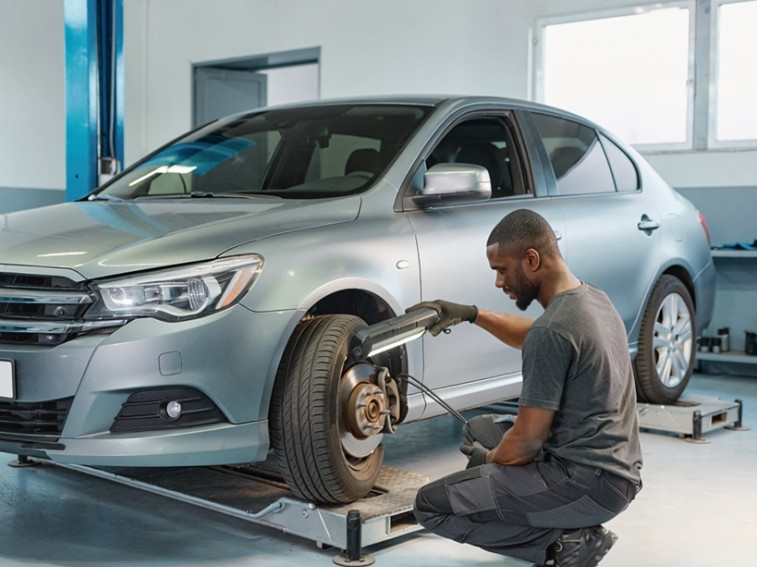
The mere mention of an MOT test is enough to make any vehicle owner's heart beat a little faster, but when the vehicle in question carries a salvage title, that baseline anxiety often spikes into pure dread. Buyers routinely walk away from incredible bargains, haunted by the persistent fear that a write-off marker acts as an automatic death sentence in the testing bay. It is a common misconception heard countless times at auctions and in garages across the country, causing buyers to miss out on perfectly good deals because they mistakenly believe a salvaged car is automatically doomed to fail. To be absolutely clear, it is complete nonsense.
A salvage car can absolutely pass an MOT test. The testing criteria do not factor in insurance write-off categories. The examination strictly assesses vehicle roadworthiness on the day of the test. That is the only metric that matters.
The confusion stems from mixing up two completely separate concepts: financial insurance categorisation and legal roadworthiness. One is a financial decision made by insurers based on repair margins. The other is a strict safety standard set by the Driver and Vehicle Standards Agency. Understanding the fundamental difference will save you from missing out on genuine bargains and help you spot the vehicles that genuinely are not worth the hassle.
What The MOT Actually Tests
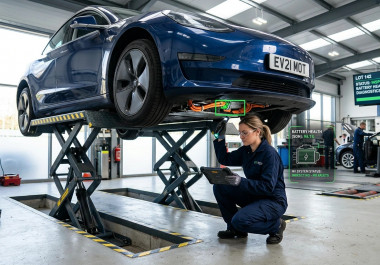
The examination assesses specific safety and environmental standards. The examiner checks lights, tyres, brakes, suspension, emissions, and structural integrity. They are looking at the vehicle's current condition rather than its historical data.
A vehicle with a salvage marker that has been properly repaired to manufacturer standards will easily pass the assessment. A vehicle with minor cosmetic damage and a freshly replaced bumper presents absolutely no problem. The examiner evaluating salvage cars MOT compliance does not have access to the vehicle's insurance history database, and frankly, they do not care about it.
Here is what matters during the examination:
-
Brakes function correctly and meet all performance standards
-
Tyres have sufficient tread depth and exhibit no sidewall damage
-
Lights and indicators all work properly
-
Suspension and steering components are secure and fully functional
-
The body structure has no sharp edges or dangerous corrosion
-
Emissions fall securely within legal limits
-
The windscreen has no significant damage in the driver's direct sight line
I once bought a Cat S BMW that had been rear-ended. The seller had replaced the boot floor, rear panel, and bumper. It passed the test on the first attempt because the repairs were done properly by a professional. The insurance company had written it off because the repair cost exceeded their financial threshold, not because the car was fundamentally unsafe to drive.
The Salvage Category Confusion
Let us clear up what these classifications actually mean, because this is where most of the confusion starts.
Category S indicates the vehicle sustained Category S structural damage to its frame or chassis. This could be anything from a bent subframe to minor crumple zone compression. It does not mean the car is permanently unsafe; rather, it means an insurer decided the repair cost was not economically viable for them at that specific moment in time.
Category N covers non-structural issues. This includes cosmetic damage, electrical faults, interior damage, and occasionally flood damage. These vehicles often need minimal work to achieve full vehicle roadworthiness once again.
Neither category prevents a vehicle from passing an MOT if it has been restored correctly. The key word is correctly. A substandard repair job will not pass, but that is true of any vehicle regardless of its history. Consider a house that needed foundation work. If the work is completed properly by qualified professionals, it is as solid as any other property. If it is handled by someone lacking the proper knowledge, problems are guaranteed.
Why Some Salvage Cars Fail MOTs
The truth is that some salvage vehicles do fail their tests. However, it is rarely because they hold a salvage title. It is almost always because they have been repaired poorly or neglected entirely.
There are instances where Category N cars fail because the owner replaced a damaged headlight with a cheap aftermarket unit that did not align properly. Similarly, vehicles with Category S structural damage fail when someone welds a chassis rail without proper certification or structural knowledge. These are not salvage category failures, but rather repair quality failures.
Common reasons these vehicles fail include:
-
Substandard repairs using incorrect parts or incorrect methods
-
Misaligned headlights following front-end collision repairs
-
Poor welding execution on critical structural components
-
Suspension geometry problems after impact damage
-
Brake system faults stemming from incomplete repairs
-
Emissions failures resulting from engine damage that was not properly addressed
The insurance category itself is never the actual problem. The problem arises when someone attempts to cut corners on the repair process to maximise their profit margin.
The Importance of Proper Repairs
This is where buying salvage gets serious. If you are purchasing a vehicle from the RAW2K platform, you need to know whether the unit has been repaired yet, and if so, by whom.
An unrepaired salvage car will not pass if the damage affects any testable component. That is obvious. However, even repaired vehicles can fail if the work was not completed to proper DVSA safety standards.
Professional repairs executed by qualified technicians using original equipment manufacturer parts, or high-quality aftermarket equivalents, will result in a vehicle that passes without issue. Backstreet repairs relying on guesswork and cheap pattern parts severely compromise your chances of success.
Before bidding on any salvage vehicle, ask yourself:
-
Has it been repaired already?
-
Who completed the work?
-
Are there receipts and official documentation?
-
Has it passed an MOT since the repairs were completed?
-
Can I inspect the repair quality myself or secure a professional assessment?
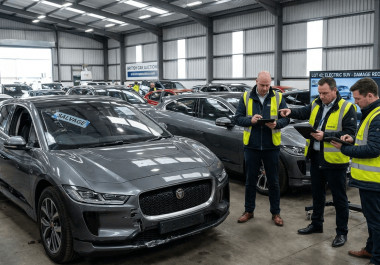
When evaluating listings across online vehicle auctions, the description will clearly state the vehicle's category and often indicate whether it has been repaired. Read every word carefully, as the details matter significantly.
Documentation and the V5C
Here is a detail that frequently trips up first-time buyers: the V5C logbook will always show the vehicle's salvage category. This marker is permanent. Even after perfect repairs and multiple successful tests, that designation stays on the document forever.
This affects resale value but absolutely does not affect MOT eligibility. The Driver and Vehicle Licensing Agency records the category to inform future buyers and ensure market transparency, not to prevent the vehicle from being tested or legally used.
Some buyers worry that the salvage marker means the vehicle is somehow flagged in the testing system. It is not. The MOT database and the DVLA's insurance write-off categories database are two completely separate systems. The tester only sees your vehicle's testing history, not its insurance payout history.
What About Category A and Category B?
These are the only classifications that genuinely cannot pass an MOT, simply because they cannot legally be on the road at all.
Category A vehicles must be crushed entirely. No parts can be salvaged for reuse. These are typically vehicles with extreme, catastrophic damage or those involved in severe incidents like major fires.
Category B vehicles can have select parts salvaged, but the main structural shell must be crushed. You can buy an engine or gearbox from a Category B car, but the vehicle chassis itself will never see a public road again.
If you are looking at these heavily damaged classifications, you are operating strictly in the parts business, not the vehicle restoration business. These units will never pass an MOT because they will never be legally permitted to be presented for one.
Practical MOT Pass Rates
Industry experience shows no statistical evidence that properly repaired Category S or Category N cars have worse salvage cars MOT pass rates than equivalent clear-title vehicles of the exact same age and mileage.
Evidence clearly dictates that poorly repaired vehicles, whether salvage or not, fail tests. A ten-year-old car that has been neglected for years will fail regardless of its title status. A three-year-old Category S car benefiting from professional repairs will pass with flying colours.
The testing process is entirely objective. Either your brake pads meet the minimum thickness or they do not. Either your emissions are within limits or they are not. The examiner makes no subjective judgements based on the vehicle's insurance history.
Insurance Implications
This aspect is separate from MOT testing, but it is well worth addressing because it heavily affects whether you can legally drive a salvage car even after it passes.
Some insurance providers simply will not cover vehicles with a salvage history. Others will offer coverage but frequently charge higher premium rates. You must have valid insurance to legally drive on public roads, meaning that confirming vehicle roadworthiness is only one part of the wider legal equation.
Before placing a bid on any Cat N and Cat S inventory, obtain comprehensive insurance quotes. Do not assume you will automatically be able to insure it. Buyers occasionally win auctions only to discover they cannot secure coverage at any reasonable price.
The HPI Check Factor
When you are buying a salvage vehicle, especially if you plan to sell it on later, understand that future buyers will run an HPI check or a similar detailed history report. This report will immediately flag the insurance write-off categories to the prospective buyer.
This history does not prevent the vehicle from passing future tests, but it does heavily impact marketability and overall resale value. Be realistic about this financial aspect. A Category S car is worth less than an equivalent non-salvage vehicle, even if it has been perfectly repaired and holds a long string of successful test certificates. If a vehicle proves entirely uneconomical to repair down the line, owners can always utilize scrap car valuation services to recoup some of their initial investment safely.
Transparency is everything in this industry. When sourcing damaged vehicles for sale at auction, the category is legally disclosed. When you sell the vehicle later, you must disclose it too. Attempting to hide a salvage history is illegal and will land you in serious legal trouble.
Practical Advice for Buyers
If you are considering a salvage vehicle from any auction platform, including damaged motorcycles or commercial van sales, here is a practical approach you should follow to ensure success:
-
Thoroughly research the specific damage the vehicle originally sustained
-
Secure a professional mechanical inspection whenever possible
-
Check insurance availability and projected premium costs beforehand
-
Carefully calculate repair costs if the vehicle is currently unrepaired
-
Factor in the reduced resale value when calculating your maximum bid
-
Ensure all repairs are completed by qualified professionals with full documentation
-
Keep all receipts and exclusively use quality replacement components
-
Secure a fresh MOT as soon as the vehicle achieves roadworthy status
-
Take detailed photographs before, during, and after the repair process
-
Maintain the vehicle properly according to the manufacturer's schedule
-
Never skip scheduled services or cut corners on routine maintenance
-
Address any emerging mechanical issues immediately before they worsen
-
Keep comprehensive records of all work undertaken
The vehicle's ability to pass future tests depends entirely on how well you maintain it, exactly like any other vehicle on the road.
Regional Considerations
Whether you are looking at vehicles located in Scotland, Wales, or Northern Ireland, the testing rules remain completely consistent across the United Kingdom. The strict DVSA safety standards do not change based on where you live or where the vehicle is registered.
What does change is the local availability of reputable repair facilities and specialists who truly understand salvage vehicle restoration. Urban areas typically offer far more options and competitive pricing. Rural areas might require travelling significantly further to find technicians qualified to handle complex structural repairs properly.
The Bottom Line
Can salvage cars pass MOT tests? Absolutely, yes. The evaluation assesses current roadworthiness, not insurance history. A Category S or Category N vehicle that has been properly repaired to strict manufacturer standards will successfully pass an MOT just like any other vehicle.
The real questions you should be asking are entirely practical: Has this vehicle been repaired properly? Can I verify the quality of the workmanship? Will I be able to insure it economically? And am I financially comfortable with the permanently reduced resale value?
Salvage vehicles represent genuine opportunities for buyers who understand exactly what they are getting into. They are not automatically dangerous or unroadworthy. However, they do require meticulous due diligence, highly realistic expectations, and frequently require professional restoration work.
Do not let persistent myths about testing standards scare you away from potentially excellent deals. Instead, educate yourself about what salvage categories actually mean, thoroughly understand the test criteria, and make informed financial decisions based on facts rather than marketplace misconceptions.
If you are new to the online auction process, it is vital to fully understand the platform rules regarding bidding, payments, and vehicle collection. For any general inquiries regarding account setup or site navigation, please direct your questions to our customer support team. Platform staff prefer that users have their accounts fully prepared before placing active bids.
The salvage market is not for everyone, but for those willing to do their homework, it offers remarkable opportunities that simply do not exist in the mainstream used car market. Just remember that the examiner does not care about insurance categories; they only care about whether your car is safe to drive today. Get the repairs done properly, and you will have no problems. To begin browsing inventory and participating in the process, create a bidding account today.