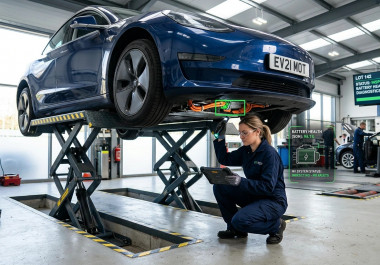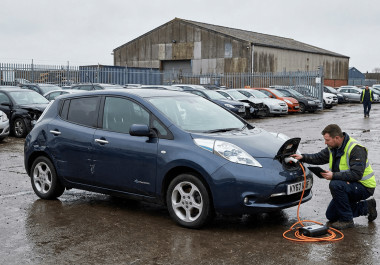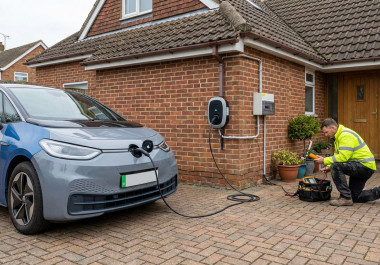
A properly repaired salvage vehicle sits ready to sell. It is roadworthy, legal, and complete. Therefore, the main question is where the best financial return will come from. In a documented case, a dealer sold a repaired Audi A4 Category S through three different platforms before finding the right audience. As a result, money was lost on listing fees twice before success finally occurred.
This experience taught a valuable lesson regarding the market. The platform matters just as much as the repair quality when selling repaired salvage cars. Selling these vehicles differs significantly from selling clean-history motors. Because of this, buyers fall into distinct camps across the automotive market. Some individuals will not touch salvage vehicles regardless of the documentation quality.
Conversely, others actively hunt for these bargains because they completely understand the value proposition. The primary goal involves finding the right salvage vehicle sale platforms where this second group naturally congregates. Properly positioning the vehicle saves enormous amounts of time, money, and frustration.
Understanding the Market Position
Before listing anywhere, a realistic assessment of the vehicle matters immensely. For example, a repaired Category N vehicle with full documentation and a fresh MOT presents excellently. This situation differs completely from a vehicle fixed poorly on a driveway. The salvage marker stays with the vehicle forever. That is an absolute fact, and it cannot be hidden.
However, what can be controlled is the story told about the repair quality. Providing overwhelming evidence remains critical for success in this market. Selling a repaired vehicle compares closely to selling a renovated house that once had structural issues. The right buyer simply wants proof that qualified professionals fixed the problem properly. Therefore, platform choice must connect with buyers who understand what selling repaired salvage cars actually involves.
Online Auction Platforms
Online auction sites are increasingly popular for releasing repaired vehicles back into the market. The audience here already understands salvage categories perfectly. This means conversations avoid starting with basic explanations of Category N markers. This creates an immediate advantage when dealing with educated purchasers. Trade buyers and savvy individuals know exactly how to value these vehicles.
These buyers avoid wasting time with lowball offers based on sheer ignorance. Therefore, listings should always feature comprehensive photos showing the detailed repair work. Pictures of the damaged area before repair, during the process, and after completion demonstrate total transparency. Sellers must also include copies of parts receipts, invoices, and any structural engineer reports.
The bidding format works exceptionally well because it creates natural, healthy competition. Two buyers who understand the vehicle's true value can push the price up naturally. Overall, online auctions remain among the most effective salvage vehicle sale platforms for reaching an educated, serious audience.
Specialist Salvage and Rebuilt Title Dealers
Specialist businesses exist specifically to buy repaired salvage vehicles from the public and trade. While they avoid offering retail money, they provide unmatched speed. A specialist dealer typically offers a price within 24 hours of a physical inspection. They will thoroughly check the paperwork, verify the repair quality, and make a firm, immediate offer.
If accepted, the vehicle leaves immediately, and the cash becomes readily available. There are zero listing fees, and dealing with time-wasters is completely eliminated. This entirely avoids months of back-and-forth with unreliable private buyers. The obvious trade-off involves receiving slightly less money than a perfectly executed private sale.
However, if a garage needs to turn stock quickly, this route makes perfect commercial sense. This option works brilliantly when a vehicle sits unsold for too long. Sometimes getting a lower percentage today beats waiting three months for full retail pricing. Ultimately, speed matters immensely when selling repaired salvage cars at high volume.
Private Sale Platforms with Salvage Filters
Major private sale sites all allow salvage vehicles, but success depends entirely on presentation. These platforms give access to the largest buyer pool in the country. Unfortunately, most of those buyers are not completely salvage-educated. Therefore, the listing needs to be fully transparent about the salvage vehicle history.
It must simultaneously sell the exceptional quality of the repair work. Starting with the V5C logbook status placed front and centre is absolutely essential. The listing must clearly state the salvage category and what originally caused the damage. Then, the description should immediately pivot to the repair story and the professionals involved.
Using the description to pre-qualify potential buyers acts as an effective tactical move. State clearly that the vehicle carries a salvage marker and suits knowledgeable buyers perfectly. That specific paragraph saves dozens of pointless enquiries from uneducated purchasers. Finally, pricing competitively requires checking sold prices for similar vehicles rather than clean examples.
Facebook Marketplace and Local Groups
Local buying and selling groups on social media should never be overlooked. Standing out through extreme transparency happens naturally in these digital community spaces. The local aspect also matters significantly for general trust building. A buyer who physically inspects the vehicle is far more likely to trust the salvage vehicle history.
Joining groups specific to the vehicle type provides highly recommended targeted marketing. Enthusiast groups are full of people who know the cars perfectly inside and out. They remain unfazed by a salvage marker if the mechanical repair feels solid. Similarly, commercial vehicle groups understand that vans get damaged during normal working life.
Listing with brutal honesty and extensive photos builds immediate, powerful trust. The audience is savvy enough to spot misleading statements rapidly. Therefore, one single inaccuracy will destroy credibility in the public comments section. Overall, these local groups represent highly valuable salvage vehicle sale platforms for excellent regional reach.
Trade-Only Platforms
If operating as a registered garage, trade-only platforms will happily accept repaired salvage. These specific services focus on volume and speed rather than maximising individual returns. The main appeal is pure convenience for the busy seller. Vehicle details get entered, an instant valuation arrives, and the vehicle is subsequently collected.
The initial offer automatically accounts for the salvage marker, resulting in wholesale pricing. However, avoiding three months of dealing with unreliable private buyers is a massive benefit. These platforms work excellently for repaired vehicles that simply take too much time to sell privately.
The final offer usually falls much lower than standard retail pricing. However, the vehicles disappear within 48 hours, allowing the business to move on quickly. Sometimes, the time saved is simply worth far more than squeezing out the last fraction of profit.
Documentation That Sells
Regardless of the platform, the documentation package completely makes or breaks the final sale. This is the exact difference between selling at a fair price and receiving insulting lowball offers. Essential private sale documentation must include the following crucial items to reassure cautious buyers:
-
Original damage photos showing exactly what went wrong initially.
-
Detailed repair invoices describing the specific work performed.
-
Parts receipts proving that genuine or OEM components were utilised.
-
Visual evidence showing the vehicle before, during, and after the repair process.
-
A current MOT certificate showing zero advisories related to the previous damage.
-
The V5C logbook clearly displaying the salvage marker for total transparency.
For structural damage, an independent engineer's report confirming safety standards is absolutely vital. This single document removes the biggest fear for buyers browsing write-off cars for sale UK. Therefore, compiling this evidence into a PDF and mentioning the comprehensive private sale documentation in every listing works incredibly well.
Pricing Strategy That Actually Works
Pricing correctly is exactly where most sellers make critical mistakes. They either price too high due to emotional attachment or drop the price out of sheer panic. Researching comparable sales effortlessly establishes a realistic salvage market valuation. Checking what vehicles actually sold for, rather than optimistic asking prices, remains mandatory.
A repaired Category N vehicle typically achieves a solid percentage of the clean market value. Meanwhile, Category S varies widely depending on the original damage severity and repair quality. Pricing at the top of that range is entirely possible if the documentation proves exceptional. Exploring salvage car auctions UK easily helps establish these accurate market baselines.
Pricing near the bottom becomes necessary if the repair happened privately, even if the work looks excellent. Buyers automatically discount DIY repairs because the quality cannot be verified independently. Therefore, building in a small amount of negotiation room without padding the price excessively acts as a wise strategy. Ultimately, overpricing will simply filter out serious buyers immediately.
Timing and Market Conditions
Salvage vehicles sell better in specific conditions, and timing the sale correctly remains incredibly vital. Spring and early summer represent peak times for vehicle sales generally across the country. Buyers feel far more willing to spend money when the weather finally improves. Thus, holding the vehicle until April or May typically generates much better offers.
Avoiding December and January is highly recommended unless a rapid sale is absolutely desperate. The strict combination of holiday expenses and bad weather traditionally halts the automotive market. In a typical situation, a repaired vehicle listed in December received almost zero interest. However, when re-listed in March, it sold quickly for a much higher salvage market valuation.
Broader economic conditions also matter significantly to the salvage industry as a whole. When personal finances become tight, the market for salvage vehicles often strengthens rapidly. Buyers who normally purchase clean vehicles start looking at repaired salvage to save money. Reviewing current damaged vehicle sales provides brilliant, actionable insight into these specific seasonal trends.
Platform Fees and Hidden Costs
Factoring in the actual cost of selling before choosing a platform is extremely vital. A free listing that takes three full months to sell carries severe hidden costs. Three months of extra insurance, potential depreciation, and tied-up capital must be carefully considered. Therefore, calculating net proceeds across different platforms is essential before fully committing.
Private listing sites charge variable fees depending on the chosen visibility package. Conversely, auction platforms typically charge the seller a listing fee alongside a success fee. However, this payment provides instant access to a pre-qualified audience who understand what they are buying. Selling faster to an educated audience often easily justifies the upfront platform costs.
Sometimes paying a premium fee for a listing that sells within a week acts as the best choice. It easily beats a free listing that requires two full months of endless waiting. Ultimately, time is money, especially when aiming for an accurate salvage market valuation.
Building Buyer Confidence
The salvage marker naturally creates automatic scepticism among most private buyers. The main goal involves overwhelming that scepticism with clear evidence and total transparency. Offering a pre-purchase inspection at the buyer's expense signals incredible confidence in the repair. Sellers with something to hide almost never make that bold, confident offer.
Providing contact details for the professional garage that completed the repair adds immense value. A buyer who can ask technical questions will automatically feel infinitely more comfortable. If selling locally, offering to meet at the repairer's premises for the viewing works perfectly. These transparency steps are absolutely vital when trying to sell salvage cars.
The professional setting adds significant credibility that cannot be achieved in a supermarket car park. Building confidence acts as the absolute key to completing the transaction smoothly. In the end, solid private sale documentation combined with full transparency wins over cautious buyers every single time.
When to Walk Away from a Sale
Not every buyer is actually worth dealing with during the sales process. Some individuals will actively try to exploit the salvage vehicle history to extract unfair concessions. Learning to spot these people early saves enormous amounts of time and frustration. Therefore, anyone who uses the salvage marker aggressively as a negotiating weapon should be avoided entirely.
These specific buyers avoid fair value; they simply want an unreasonable, massive discount. Politely disengaging from these conversations immediately serves as the best possible approach. Buyers who refuse to look at the repair documentation are rarely serious purchasers. If the offers become overly insulting, exploring options with scrap car buyers provides a quick alternative exit.
Anyone asking to hide the salvage history from their insurance company is essentially suggesting fraud. Ending the conversation immediately avoids facing severe legal and ethical issues down the line. Dealing strictly with honest, realistic buyers remains the absolute only way to succeed safely.
Conclusion
Selling a repaired salvage vehicle will never be as straightforward as selling a clean one. Fewer enquiries, more sceptical questions, and lower initial offers will naturally occur. That reaction is not a reflection on the specific repair quality. It is simply the established market reality of the salvage marker.
However, the right platform connects sellers with buyers who truly understand the underlying value proposition. Properly repaired vehicles offer a significant discount compared to clean market values. Finding these buyers, proving the repair quality, and being patient for a fair offer guarantees success. Ultimately, proper planning is essential when selling repaired salvage cars.
The best platform depends heavily on the vehicle type, the required sale speed, and available time. For most sellers, a combination approach works incredibly well to maximise visibility. Evaluate the current market conditions and match vehicles to educated buyers using a comprehensive platform like RAW2K.
Access professional tools designed for strategic listings that successfully maximise financial returns on quality repairs. For any questions regarding platform features, please reach out for dedicated assistance. Finally, completing the salvage auction registration allows users to start bidding or selling when the documentation and pricing strategy are fully prepared.