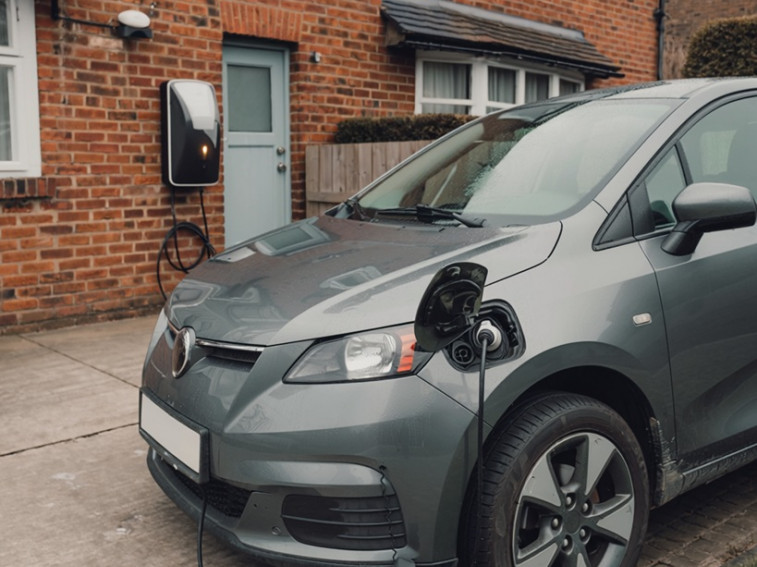
The automotive salvage market is evolving rapidly, presenting buyers with highly complex choices regarding electrified powertrains. As the industry shift towards electric motoring accelerates, many professional rebuilders, independent mechanics, and parts suppliers wonder if acquiring secondhand hybrid salvage presents a less risky financial proposition compared to fully electric models. Hybrids offer a crucial, highly practical bridge between traditional combustion motoring and pure electrification, acting as highly viable full EV alternatives for those hesitant to take on pure electric repair projects immediately. Understanding the fundamental differences in vehicle architecture, the varying levels of electrical risk, and the economic realities of battery repair is essential before committing capital at auction. Exploring this delicate balance between mechanical familiarity and high-voltage complexity allows buyers to make highly informed decisions and consistently secure profitable projects within the growing electrified vehicle segment.
Evaluating the Dual Powertrain Architecture
Unlike pure electric models that rely entirely on massive, floor-mounted battery banks, hybrids utilise a complex combination of internal combustion engine components and a supplementary high-voltage battery system. This dual nature means that while they function exceptionally well as full EV alternatives on the road, they present highly unique diagnostic scenarios in the salvage yard environment. The prominent presence of standard internal combustion engine components often provides a necessary comfort zone for traditional automotive mechanics, as inspecting, diagnosing, and repairing a standard petrol engine block remains a highly familiar, well-documented process. However, this established mechanical familiarity is irrevocably paired with the strict necessity to understand and handle high-voltage electrical systems safely.
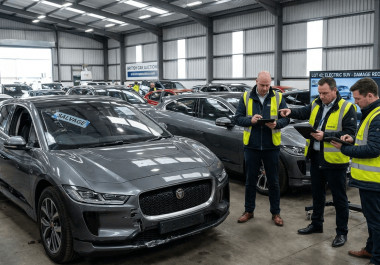
When browsing salvage vehicles auctions for hybrid models, accurately assessing the vehicle remotely requires evaluating both halves of the powertrain simultaneously through the provided auction photography. In many common collision scenarios, a moderate front-end impact might crush the radiator, the air conditioning condenser, and various standard engine peripherals without ever compromising the rear-mounted battery pack. This physical separation of the powertrain elements often makes the overall repair process significantly more predictable than a similar frontal impact on a pure electric skateboard chassis, where the main power electronics are often tightly packed near the front axle. Furthermore, understanding the integration of the power split device and the high-voltage inverter helps buyers accurately identify which deeply buried systems are most likely to require complete replacement following a collision.
The Economics of Hybrid Battery Pack Replacement
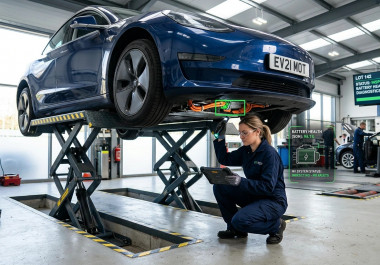
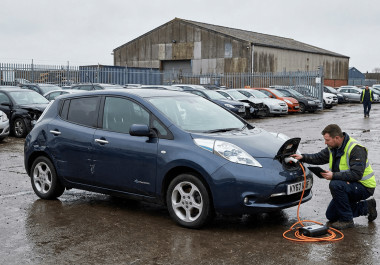
One of the primary financial concerns with any electrified salvage vehicle involves the exact condition and viability of the traction battery. In pure electric vehicles, a damaged or heavily degraded battery often renders the entire vehicle an economical write-off, immediately pushing it strictly into the parts-donor category. In sharp contrast, secondhand hybrid salvage models typically feature much smaller, less complex, and significantly less expensive energy storage units. The overall financial risk directly associated with hybrid battery pack replacement is substantially lower, completely altering the repair margin mathematics.
Furthermore, because hybrid technology has been mainstream in the automotive sector for over two decades, the aftermarket supply of refurbished battery modules is highly established and incredibly competitive. If a buyer secures one of the many Category N hybrid vehicles available through the auction network, the structural integrity of the chassis remains entirely intact. This specific classification strongly indicates that the protective rear battery casing is highly likely to be untouched by the accident impact. Even in scenarios where hybrid battery pack replacement becomes strictly necessary due to age-related chemical degradation or unforeseen water ingress, the total parts and labour cost rarely exceeds the vehicle's broader market resale value, keeping the overall repair margins highly attractive for independent workshops.
Mechanical Complexity vs. High-Voltage Risk
While hybrid platforms serve as excellent full EV alternatives for buyers actively seeking to mitigate their financial exposure to extreme electrical risk, they are undeniably more mechanically dense. The seamless integration of the electric traction motor with the conventional petrol engine requires highly sophisticated, continuously variable transmission systems and highly advanced regenerative braking systems. These regenerative braking systems capture kinetic energy during vehicle deceleration to constantly recharge the battery pack, but they fundamentally add a deep layer of mechanical complexity to the braking hydraulics, ABS modules, and controlling electronics.
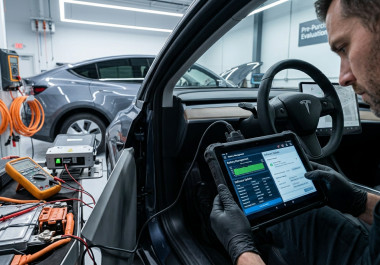
Despite this increased mechanical density, the catastrophic thermal runaway risk typically associated with massive, high-capacity EV batteries is heavily mitigated in hybrid applications due to their substantially smaller cell capacity and differing chemical compositions. Rebuilders consistently working on Category N hybrid vehicles frequently find that the mechanical repairs, while highly intricate, follow clearly established diagnostic paths and manufacturer procedures. Crucially, these standard repairs do not necessarily mandate the extreme, highly specialised quarantine and isolation protocols required for heavily damaged pure electric vehicles. However, clearing the complex network of fault codes generated by a crash still requires professional-grade diagnostic software capable of interrogating both the engine control unit and the hybrid management module simultaneously.
Sourcing Parts and Maximising Donor Vehicle Potential
The modern hybrid vehicle market has existed in high volumes for many years, subsequently creating an incredibly robust and diverse supply chain for replacement components. Sourcing standard internal combustion engine components for popular, high-volume hybrid models is virtually identical to sourcing parts for entirely standard petrol cars. This widespread aftermarket availability makes secondhand hybrid salvage highly attractive not just for returning vehicles to the road, but for operating highly aggressive, profitable parts harvesting operations.
If a heavily damaged, economically unviable hybrid is purchased strictly for extracting its internal combustion engine components, highly sought-after hybrid-specific parts like high-voltage inverters, and unaffected interior trim, the remaining stripped shell still holds intrinsic value. Once the highly valuable high-voltage components, inverters, and mechanical parts are fully recovered for resale on the secondary market, buyers frequently utilise a professional scrap my car service to legally and efficiently clear the remaining metal chassis from their workshop. This comprehensive dismantling strategy ensures maximum profit is carefully extracted from the initial auction purchase, clearly demonstrating exactly why heavily damaged hybrids remain highly sought after by professional automotive breakers.
Analysing Crash Damage Patterns in Hybrid Models
Because hybrid battery packs are generally located securely under the rear passenger seats or deeply recessed beneath the boot floor, standard front-end collisions rarely compromise the high-voltage energy storage system. When carefully reviewing the photography on any salvage car for sale uk listing, identifying precisely where the impact occurred provides immediate, highly valuable diagnostic clues regarding potential electrical damage. Severe rear-end collisions require exceptionally careful scrutiny of the battery casing, the high-voltage wiring loom, and the automatic safety disconnect switches. Conversely, front-end damage usually focuses the primary repair effort entirely on traditional cooling packs, forward sensors, and the front-mounted regenerative braking systems.
Furthermore, heavy side impacts require careful inspection of the vehicle's rocker panels, as the thick orange high-voltage cables often route along the lower sills beneath the cabin floor. Reviewing the available inventory across various car auctions uk helps serious buyers quickly spot these common deformation patterns across different manufacturers. Observing multiple damaged vehicles of the exact same make and model allows repairers to better understand exactly which electrical modules are most frequently crushed in standard collision scenarios, allowing for highly accurate repair cost estimates before committing to a final maximum bid.
Conclusion
Determining whether secondhand hybrid salvage represents a fundamentally safer financial bet than pure electric vehicles depends entirely on the buyer's technical capabilities, workshop setup, and risk tolerance. For those seeking highly viable full EV alternatives that consistently offer strong resale value and highly predictable repair paths, hybrids provide an exceptionally balanced entry point into electrified automotive repairs. The notably lower financial liability of hybrid battery pack replacement and the highly reassuring familiarity of standard mechanical systems make Category N hybrid vehicles particularly appealing for independent mechanics and specialist rebuilders.
By carefully evaluating the crash damage to both the conventional mechanical and high-voltage electrical systems, buyers can routinely secure highly profitable repair projects through the RAW2K platform. To start browsing the extensive daily-updated inventory of hybrid, electric, and traditional combustion models, simply register for salvage auctions and begin exploring the expanding market opportunities today.