When an insurance assessor examines a damaged vehicle, they follow a precise framework to decide whether it receives a Category S or Category N classification. The difference comes down to one factor: whether the damage affects the vehicle's structural integrity.
Category S (formerly Cat C) means structural damage. The chassis, frame, or core components that keep the car rigid and safe have been compromised. Category N (formerly Cat D) covers everything else - cosmetic damage, electrical faults, brake issues, or interior problems that don't touch the structural skeleton.
The Structural Damage Test
Structural damage means any harm to the parts that form the car's protective cage. This includes:
-
Chassis rails and cross-members
-
A-pillars, B-pillars, and C-pillars
-
Floor pan sections
-
Suspension mounting points welded to the chassis
-
Crumple zones designed to absorb impact
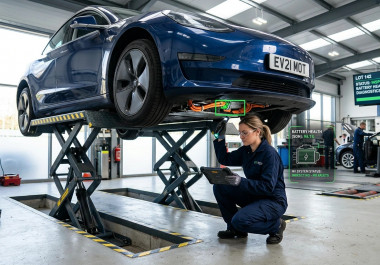
An assessor examines these components using a combination of visual inspection, measurements, and sometimes laser alignment tools. If any structural element shows deformation, cracking, or has been pushed out of its factory position, the vehicle receives Category S classification.
A 2023 case illustrates this clearly: a BMW 3 Series sustained front-end damage in a moderate-speed collision. The bonnet, bumper, and headlights were destroyed, but the chassis rails remained straight and undamaged. Despite repair costs reaching £4,800, the assessor classified it Category N because no structural components needed work.
Compare this to a Honda Civic hit at similar speed but at a different angle. The impact pushed the front chassis rail back by 12mm and deformed the suspension turret. Repair costs were lower at £3,900, but the structural compromise meant Category S classification.
Why Cost Doesn't Determine Category S Classification
Many people assume expensive damage equals Category S, whilst cheaper repairs mean Category N. This isn't how classification systems work.
The category system exists to inform future buyers about safety implications, not repair economics. A vehicle with £8,000 of cosmetic and electrical damage remains Category N if the structure stayed intact. Meanwhile, a car needing just £2,500 in repairs becomes Category S if those repairs involve straightening or replacing structural members.
We've seen vehicles with completely destroyed interiors - every panel, all electronics, and the entire drivetrain damaged by flood water - classified as Category N because the water didn't bend or crack the chassis. Conversely, a light side impact that appears minor can earn Category S status when it pushes a B-pillar out of alignment by just 5mm.
This distinction matters profoundly for buyers evaluating Category S versus Category N vehicles.
The Assessment Process
When an insurer receives a total loss claim, they send an engineer to examine the vehicle. This engineer follows Association of British Insurers (ABI) guidelines that define structural components precisely.
The assessment typically takes 45-90 minutes and includes:
Visual inspection: Looking for obvious deformation, cracks, or misalignment in structural areas. The engineer checks panel gaps, door alignment, and whether the vehicle sits level.
Measurement checks: Using specialised tools to measure chassis dimensions against manufacturer specifications. Even small deviations trigger Category S classification.
Component-by-component review: Documenting every damaged part and categorising it as structural or non-structural. This creates the official record that determines Category S or Category N assignment.
Repair feasibility assessment: Determining whether structural damage can be safely repaired or if replacement is necessary. Some chassis damage is repairable to safe standards, but it still earns Category S status.
The engineer submits their report to the insurer, who makes the final classification decision. Once assigned, this category becomes permanent on the vehicle's record through the Motor Insurance Anti-Fraud and Theft Register (MIAFTR) and appears on all future vehicle history checks.
Common Category S Damage Patterns
Certain collision types almost always result in Category S classification:
Side impacts above 20mph: These frequently damage B-pillars or sills, both structural components. Even when the door absorbs most impact energy, the force transfers to mounting points welded to the chassis.
Rear-end collisions that reach the wheel arch: The rear chassis rails run alongside the wheel wells. Damage that extends into this area typically affects these rails. Understanding which damage patterns trigger Category S helps buyers assess vehicles properly.
Front impacts where the wheel gets pushed back: This indicates chassis rail damage. The wheel connects to the suspension, which mounts to the chassis. Rearward wheel movement means the chassis has been compressed.
Rollover damage: Almost universally Category S because roof pillars and chassis both sustain damage when a vehicle rolls.
Underside strikes: Hitting large debris or mounting a kerb at speed can bend chassis rails or crack suspension mounting points underneath the vehicle.
Common Category N Damage Patterns
These damage types typically receive Category N classification:
Cosmetic panel damage: Dented doors, damaged bumpers, scratched paint, or broken lights that haven't affected the underlying structure.
Electrical system faults: Wiring damage, computer module failures, or sensor problems that make the vehicle undriveable but don't involve structural repair.
Interior damage: Fire damage contained to the cabin, vandalism affecting seats and trim, or flood damage that ruins electronics and upholstery.
Mechanical failures: Engine damage, gearbox problems, or suspension component wear that requires expensive repairs but no structural work.
Theft recovery with missing parts: Vehicles stolen and stripped of valuable components like the engine, wheels, or interior, but returned with the chassis intact. Browsing Category N theft recoveries shows the range of this classification.
A theft recovery vehicle we assessed in 2024 had been stripped of its engine, all four wheels, both front seats, the steering wheel, and the infotainment system. Total loss was declared due to £12,000 in missing parts and damage, but it received Category N classification because the thieves hadn't damaged the structural frame.
Grey Areas and Borderline Classification Cases
Some components create classification uncertainty:
Suspension components: The suspension arms, springs, and shock absorbers themselves aren't structural. However, the points where they bolt to the chassis are structural. Damage to a suspension arm alone suggests Category N, but if the mounting point is bent or cracked, it becomes Category S.
Subframes: Some vehicles use bolt-on subframes that carry the engine and front suspension. These occupy a grey zone. If the subframe is damaged but the main chassis remains perfect, classification depends on whether the manufacturer considers the subframe structural. Most modern assessors classify subframe damage as Category S.
Boot floors and rear panels: On unibody construction vehicles, these form part of the structural shell. Significant damage here typically means Category S. On vehicles with separate chassis and body, these panels might be considered non-structural.
Welded vs bolted components: Generally, if a damaged part is welded to the chassis, its damage indicates Category S. If it bolts on, the damage is more likely Category N. Understanding these grey area distinctions helps when evaluating questionable vehicles.
When borderline cases arise, assessors typically err toward Category S classification. This protects future buyers by ensuring any possible structural concern gets flagged.
The Repair Permission Difference Between Categories
Both Category S and Category N vehicles can be repaired and returned to the road legally. Neither requires DVSA inspection before re-registration, unlike Category A and B vehicles.
However, Category S vehicles face stricter scrutiny when being sold. Buyers specifically search for structural damage history, and many lenders refuse to finance Category S vehicles. Insurance companies often charge 20-50% higher premiums for Category S cars, whilst Category N vehicles typically see 10-20% increases.
The repair process differs too. Category S repairs must restore structural integrity to manufacturer specifications. This often requires specialised frame straightening equipment and certified welding procedures. Many general repair shops won't touch Category S work, referring it to specialists with proper chassis jigs and measurement systems. Learning the differences between Category S and N repairs helps you understand long-term ownership costs.
Category N repairs follow standard procedures for whatever component needs attention. A garage replacing a damaged door or fixing an electrical fault on a Category N vehicle uses the same methods they'd use on any vehicle.
Impact on Vehicle Value
Category S classification typically reduces a vehicle's market value by 50-70% compared to an equivalent undamaged model. A three-year-old car worth £15,000 in clean condition might sell for £4,500-£7,500 as Category S.
Category N vehicles lose 20-40% of their value. That same £15,000 car would sell for £9,000-£12,000 as Category N, depending on the specific damage and repair quality.
These value reductions persist forever. Even after professional repair and years of trouble-free use, the category marker remains on the vehicle's history and continues suppressing resale value.
Checking a Vehicle's Category Status Before Purchase
Before buying any used vehicle, check its category status through:
-
DVLA vehicle enquiry service: Free check showing if a vehicle is currently recorded as written off
-
Private history check companies: Services like HPI, Experian, or AA provide comprehensive reports including category markers. Platforms like our auction system incorporate these checks automatically.
-
Insurance company records: MIAFTR database accessible to insurers contains all category markers
Never rely solely on seller disclosure. We've encountered numerous cases where sellers claimed ignorance of a vehicle's category status, whether genuinely unaware or deliberately concealing it.
Making the Classification Decision
The assessor's decision comes down to answering one question: "Has the vehicle's structural integrity been compromised?" If yes, Category S. If no, Category N.
This system prioritises safety information over financial considerations. A future buyer needs to know whether a vehicle's protective structure has been damaged and repaired, regardless of repair cost or quality. That's why a car with £15,000 of electrical damage can be Category N whilst another with £2,000 of chassis work becomes Category S.
The classification system isn't perfect - borderline cases exist and assessors sometimes disagree on interpretation. But it provides a standardised framework that alerts buyers to the type of damage a vehicle has sustained, helping them make informed decisions about safety and value.
Understanding whether damage is structural or non-structural gives you the knowledge to interpret category markers correctly, whether you're buying a salvage vehicle, assessing repair options, or simply checking a used car's history before purchase. For assistance evaluating Category S or Category N vehicles, our team can help you make the right choice.