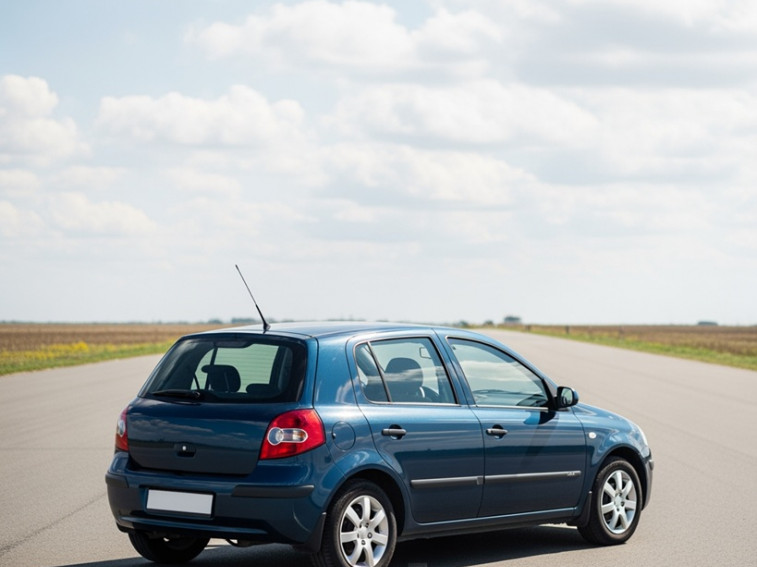
You've finished repairing a salvage vehicle. It's ready to sell. Now comes a critical decision that'll directly impact how quickly it sells and how much you get for it: should you market it locally or cast a wider national net? The answer isn't the same for every vehicle, and getting it right means the difference between selling in three days at a fair price versus waiting three weeks whilst fielding lowball offers. Local vs national sales each have distinct advantages and challenges. Your job is to match your marketing strategy to your specific vehicle's characteristics, your repair quality, and your target profit. Make the right call, and you'll maximise both speed and price. Make the wrong one, and you'll waste time, money, and opportunity.
The Local Versus National Decision
Several factors determine whether local or national marketing makes sense for your repaired salvage vehicle. Vehicle type and value: Lower-value, common vehicles typically sell faster locally. A repaired Category N Ford Focus? Local buyers will inspect and buy quickly. A repaired Category S Porsche 911? That needs national exposure to find the right buyer willing to pay premium prices. Repair quality and documentation: If you've got comprehensive documentation - photos, receipts, engineer's reports - distance sales become viable. Without solid proof of quality repairs, you're limited to buyers who can inspect in person. Logistics complexity: Local sales mean simple collection arrangements. National sales require coordinating transport, managing buyer expectations about delivery, and handling more complicated payment arrangements. Buyer pool access: Your local area might have 50 potential buyers for a standard saloon. Nationally, that number becomes 5,000. For specialist or high-value vehicles, that expanded buyer pool access justifies the extra effort.
When Local Marketing Makes Sense
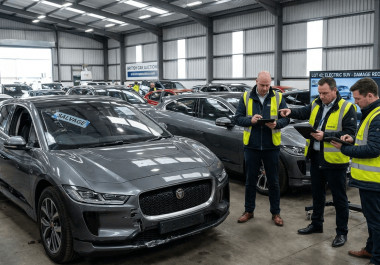
Certain vehicles and situations favour local-first marketing strategies. Lower-value repairs (under £5,000): The logistics complexity management and time investment required for national marketing often aren't justified when profit margins are modest. Local buyers, quick collection, immediate payment - that's the most efficient path. Common vehicle types: Standard family saloons, popular hatchbacks, mainstream vans - these have plenty of local demand. You don't need national reach to find buyers for a repaired Vauxhall Astra or Ford Transit. Buyers who want to inspect: Despite comprehensive photography and documentation, many buyers prefer seeing salvage repairs in person before committing. Local marketing serves this buyer preference efficiently. Quick sale priority: If you need to move stock quickly to free up capital or space, local marketing typically delivers faster results. National campaigns take time to build momentum. Limited documentation: If your repair documentation is basic - maybe you didn't photograph the process thoroughly - you're better off with local buyers who can inspect and satisfy themselves about quality in person.
When National Marketing Is Worth the Effort
Other situations demand the investment in wider salvage vehicle market reach. High-value vehicles (£8,000+): Premium pricing requires premium buyer pool access. That Category S BMW M3 you've repaired immaculately? Locally, you might have two interested buyers. Nationally, you've got 200. The right buyer justifies national effort. Specialist or rare models: Enthusiast vehicles, rare imports, classic cars - these need specialist buyers who'll pay appropriate prices. Those buyers are scattered nationally, not concentrated locally. Comprehensive documentation: When you've got extensive photos, repair receipts, engineer's certification, and video walkthroughs, distance sales strategy becomes viable. Quality documentation removes the inspection requirement. Exceptional repair quality: If your repairs are showroom-standard and you can prove it through photography, you'll attract buyers willing to pay premium prices from anywhere in the country. Local buyers might not appreciate or pay for that quality level. Limited local market: Rural areas or regions with smaller populations benefit more from national reach. If your local buyer pool is 20 people, national exposure is essential.
The Logistics Factor
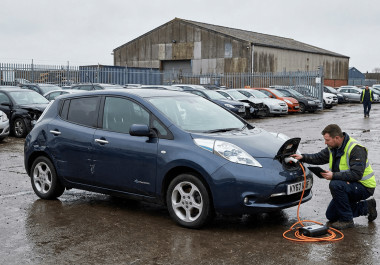
Logistics complexity management significantly impacts local versus national sales success. Local sales logistics: Buyers collect directly, inspection happens before payment, minimal coordination required. You arrange a viewing time, buyer inspects, test drives if roadworthy, pays, and collects. Transaction complete in one meeting. National sales logistics: Buyers need transport arranged, payment processed before collection, more trust required both directions. You're coordinating delivery drivers or buyer collection from 200 miles away, managing deposit payments, ensuring vehicle security during the process. Distance sales strategy requires solid processes. Vehicle delivery options: You can arrange professional transport (£150-300 depending on distance), buyer arranges collection (their responsibility, your risk until collected), or meet halfway for higher-value sales. Each adds complexity. Browse current salvage vehicle auctions to understand how professional platforms manage national logistics complexity through systematic buyer collection coordination. Inspection challenges: National buyers can't easily inspect before purchase, so documentation quality becomes critical. Consider offering inspection periods or money-back guarantees to build confidence. Payment security: Local cash transactions are simple. National sales require bank transfers, escrow services for high values, or platform-managed payments. Each adds steps and slight delays.
Documentation Requirements for Distance Sales
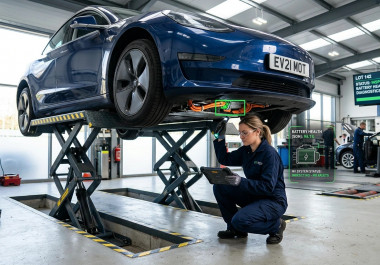
National marketing demands higher documentation standards than local sales. Photography becomes essential: 40-50 high-quality images showing all angles, all repaired areas, undercarriage, engine bay, and interior. National buyers are deciding based primarily on visual evidence. Video walkthroughs add confidence: A 3-5 minute video showing the vehicle from all angles, starting and running, and highlighting repair quality convinces hesitant distance buyers. Mechanical inspection reports: Independent inspections by recognised organisations build trust for distance purchases. Even informal inspections by qualified mechanics help. Comprehensive repair documentation: Receipts for parts and labour, engineer's certifications for structural repairs, alignment reports, MOT history - all build confidence that repairs were done properly. At RAW2K, comprehensive documentation standards enable confident distance sales by eliminating buyer uncertainty through systematic visual and technical evidence. Warranty or guarantee offerings: Even limited 30-day warranties significantly increase distance buyer confidence. They know if something's wrong, they have recourse.
Market Dynamics by Region
Geographic location affects optimal marketing strategy. Urban markets: Higher population density means larger local buyer pools. London, Manchester, Birmingham - these areas might provide sufficient local demand even for specialist vehicles. Rural markets: Lower local populations favour national marketing for anything beyond basic mainstream vehicles. The buyer pool simply isn't there locally. Regional price variations: Some areas pay premium prices for certain vehicle types. 4x4s in rural areas, performance cars in urban centres. Understanding these dynamics informs your reach decision. Specialist buyer concentration: Certain enthusiast communities concentrate in specific regions. Classic car buyers cluster around established communities. Knowing where your buyers are helps target marketing effectively. Seasonal considerations: Convertibles sell better nationally during spring/summer when buyers across the country are interested. Winter reduces that demand geographically.
The Hybrid Approach
Many sellers find success combining local accessibility with national reach. Advertise nationally, accommodate local viewings: Market the vehicle on national platforms whilst making it clear local buyers can inspect before purchase. This maximises salvage vehicle market reach whilst serving buyer preferences. Price competitively for national market, negotiate locally: Set pricing based on national market rates but remain open to slightly lower offers from local buyers who'll close quickly. Local viewing appointments with distance-sale terms: Offer local inspections by appointment whilst maintaining documentation standards and processes suitable for distance buyers who might not visit. Multiple platform presence: List on local classifieds, regional Facebook groups, and national auction platforms simultaneously. Different platforms reach different buyer segments. This hybrid maximises exposure whilst managing logistics complexity appropriately for your specific situation. Examine professionally managed salvage cars for sale demonstrating hybrid approach success through comprehensive documentation supporting distance sales alongside collection arrangements accommodating local buyers.
Platform Selection Strategy
Where you list significantly impacts local versus national reach. Local platforms: Gumtree, regional Facebook Marketplace, local classifieds reach nearby buyers quickly and free or cheap. Perfect for lower-value mainstream vehicles. National auction platforms: Specialist salvage auctions, mainstream car auction sites, enthusiast forums reach wider audiences. Essential for higher-value or specialist vehicles. Social media targeting: Facebook's geographic targeting allows pseudo-local marketing within 50-100 miles whilst maintaining low costs. Effective middle-ground approach. Specialist platforms: For particular vehicle types - classic car sites for vintage vehicles, 4x4 forums for off-roaders - specialist platforms connect with motivated buyers nationally. Multi-platform approach: Posting across multiple platforms maximises exposure for minimal extra effort. Copy the same listing to five different sites and multiply your buyer pool access significantly. Review our detailed platform guidance covering optimal listing strategies for various salvage vehicle types and value points.
Making Your Decision
Evaluate your specific situation against these factors. Favour local if: Vehicle value under £5,000, common mainstream model, limited documentation, quick sale needed, strong local market exists, basic or average repair quality. Favour national if: Vehicle value over £8,000, specialist or rare model, comprehensive documentation available, exceptional repair quality, limited local demand, willing to invest time in wider marketing. Test and adjust: Start with one approach. If local listings get minimal interest after one week, expand nationally. If national listings create logistics headaches without premium prices, refocus locally. Track metrics: Monitor enquiries, viewing appointments, offers received. This data informs future decisions for similar vehicles. The goal isn't following a universal rule. It's maximising your profit on each specific vehicle by matching marketing reach to vehicle characteristics, your documentation quality, and buyer pool requirements.
The Bottom Line on Market Reach
Local vs national sales decisions directly impact your success selling repaired salvage vehicles. Match your strategy to your specific vehicle, your documentation quality, and your local market dynamics. For common, lower-value vehicles with basic documentation, local marketing delivers speed and simplicity. For specialist, higher-value vehicles with comprehensive documentation, national reach justifies the logistics complexity management required. Consider hybrid approaches that advertise nationally whilst accommodating local viewings. This maximises buyer pool access without alienating inspection-preferring buyers. Choose platforms strategically. Local classifieds for quick local sales, national auctions for premium vehicles, specialist forums for enthusiast models. The right decision balances potential profit against time investment and logistics complexity. Make that balance work, and you'll sell vehicles faster at better prices whilst managing your time efficiently.
Master distance sales strategy through systematic documentation, examine optimal market reach approaches across current inventory, then register to implement strategic platform selection combining local accessibility with national buyer pool access for maximum profit whilst managing logistics complexity appropriately for each vehicle type.