You might be looking through salvage car auctions online and spot a premium vehicle at a low price. The photos often look decent, and the description might mention light damage. In these moments, it is very tempting to bid immediately.
However, that 17-character code on the dashboard tells a story the seller might not mention. Performing comprehensive vin checks can mean the difference between a bargain and a massive loss. Use this number to see the car's true history.
In my decades in the motor trade, I have seen many buyers skip this step. They often focus on the shiny bits, like alloy wheels or leather seats. Consequently, they often find themselves with a vehicle that cannot pass an MOT or has a complicated history.
The Vehicle Identification Number is more than just a serial code. It acts as the vehicle's genetic code. For those dealing with salvage stock, this data reveals everything from owner history to previous write-offs. We will look at what you actually need to know about these reports.
Understanding the Role of the Vehicle Identification Number
The Vehicle Identification Number acts as the vehicle's unique DNA. It provides a permanent record that follows the chassis throughout its entire life. This number is your most powerful tool when you are assessing a car at auction.
Many buyers make the mistake of focusing on a car's appearance. They see fresh paint and a tidy interior and assume the car is a bargain. However, relying on these "shiny bits" can lead to expensive errors on the auction floor.
A seller's description often highlights the best features of the car. It might omit details about structural repairs or hidden faults. Ultimately, performing vin checks on salvage stock allows you to see past the sales talk.
A proper history report penetrates beyond the surface. It helps you understand exactly what has happened to the car before it arrived at the yard. This step is the first phase of a successful salvage purchase strategy.
What a Comprehensive History Check Reveals
Consider a history report as a deep X-ray for cars. It penetrates beyond the fresh paint to reveal a vehicle's past secrets. Using this data is a tool for identity verification that every buyer should utilise.
The write-off category is the most important piece of information you will find. In the UK, we use four specific categories:
-
Category A: The car must be crushed; it is illegal to sell.
-
Category B: Parts can be saved, but the shell must be destroyed.
-
Category S: Structural damage that has been repaired.
-
Category N: Non-structural damage, such as electrical or cosmetic issues.
Reports also track mileage history to prevent fraud. If the mileage jumped backwards suspiciously between tests, the report will highlight it. Furthermore, outstanding finance will appear clearly. This prevents you from buying a car that a finance company could repossess later.
Stolen vehicle records are also integrated into these reports. Salvage doesn't always mean the car was in an accident. Sometimes, it means the car is a recovered theft. A proper report will surface this history before you commit any money.
Information Hidden in DVLA and Ownership Records
Beyond the obvious red flags, these checks reveal patterns that separate smart buys from disasters. Previous keeper numbers tell you how many hands the vehicle passed through. A newer car with many owners is often a sign of trouble.
Colour changes also appear in official records. If a car is currently red but started life as silver, someone resprayed it. This isn't always bad, but it might suggest extensive body repairs. Combined with structural damage, a full respray often indicates a major rebuild.
Import and export markers also matter more than you might think. A car that moved between the UK and other regions frequently raises questions. For instance, it may have been written off in one country and repaired elsewhere to lower standards.
Plate changes are another common red flag to watch for. Multiple registration changes often indicate that someone is trying to hide the car's history. These reports also confirm the basic manufacturer specifications. This ensures the engine size and gearbox type match what is advertised.
Understanding the Blind Spots in Reports
Buyers often struggle when they see a clean report and assume everything is perfect. However, these reports have blind spots that are worth understanding. They are based on recorded data, which isn't always instant.
Recent damage might not appear in the database yet. There is often a lag between an incident and the official records catching up. Furthermore, private repairs leave no trace. If an owner fixed a crash without involving insurance, the report stays clean.
Flood damage can also slip through the cracks easily. Unless the car was written off specifically for water ingress, it might not appear. You still need to look for physical signs, like rust or musty smells under the carpets.
Foreign history also remains difficult to track with standard checks. UK-based reports might only show records from within the country. You would need to check international databases for a full picture. Most importantly, reports never reflect the actual quality of the repairs performed.
How to Perform a Thorough History Verification
You have several options for checking a car, but they are not all equal. Free checks exist, but they are often very basic. For a serious purchase, you should consider a paid service.
Premium services access multiple databases at once. They look at insurance registers and police files to give you peace of mind. When you are spending thousands on a vehicle, a small fee is a very wise investment.
Free government services provide basic details like make and model. However, they will not tell you about write-off categories or stolen markers. They are a starting point, but they don't provide the full picture.
For higher-value vehicles, it makes sense to run multiple checks. Different providers sometimes access varied databases or update at different times. If one shows information the other does not, it is worth investigating further.
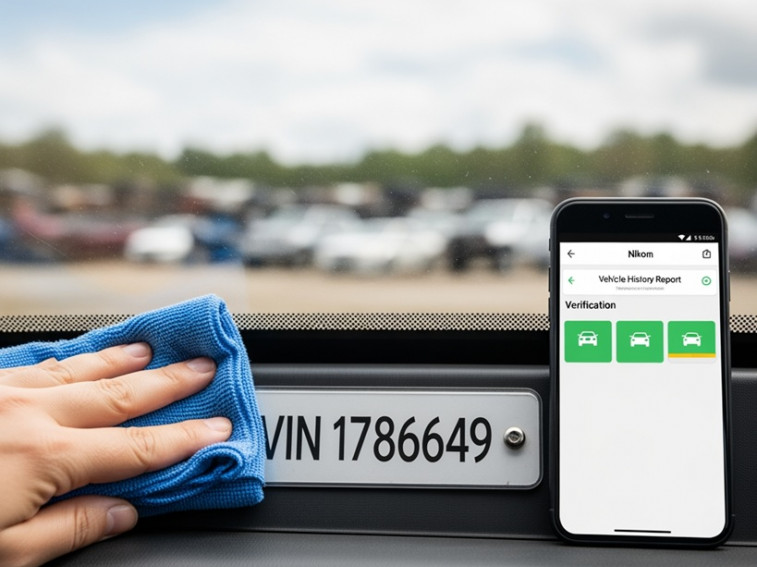
The process is very straightforward and only takes a few minutes. You need the number, which is usually stamped on the chassis or visible through the windscreen. Enter that into the service and read the entire report carefully. Consequently, performing vin checks becomes a routine part of your due diligence.
Interpreting Results for Salvage Stock
A salvage car with a write-off marker isn't automatically a bad purchase. However, you must understand what you are buying to price it correctly. You need to balance the risk against the potential reward.
Category N vehicles often represent genuine bargains. This non-structural damage could be as minor as a broken windscreen or hail damage. If the repairs are documented, you might find a mechanically sound car at a significant discount.
Category S vehicles require much more scrutiny. Structural damage means the safety of the car was compromised at some point. You need proof that repairs meet manufacturer standards. Look for engineer reports and receipts from approved body shops.
Mileage discrepancies should be considered a total deal-breaker. If a report shows higher mileage in the past than what is claimed now, leave the purchase. If a seller is dishonest about mileage, they are likely hiding other major issues.
Multiple write-offs should also set off alarms. A car written off twice in a few years has a troubled past. These vehicles are likely to give you mechanical trouble or electrical issues in the future.
Common Scams Found in Data Reports
The salvage car market can attract dishonest sellers. Fortunately, a thorough history check catches most of their tricks. Using data is the best way to protect your investment.
VIN cloning occurs when someone swaps the identity plates of a wreck with a clean car. A report helps here because you can verify that the number matches the engine. If the specifications do not match the physical car, you have likely spotted a clone.
"Cut and shut" jobs are even more dangerous for buyers. This involves welding the good halves of two different damaged cars together. These are essentially death traps on the road. If a report shows a donor vehicle was marked for destruction, report it immediately.
Thieves also use "ringing" to disguise stolen cars as legitimate salvage. They swap identities to hide the theft from authorities. A report helps you verify that the car's physical description matches the official records.
If you are dealing with scrap car buyers, honesty helps build trust. This usually leads to a better final price for everyone. However, you must always verify the stock found in damaged vehicle auctions before bidding.
Combining Reports with Physical Assessments
A report tells you the past, but a physical assessment tells you the present. You need both to be successful. Proper identity verification is essential for assessing salvage car inventory correctly.
Panel gaps reveal the quality of repairs instantly. If a report shows Category S damage but the doors are misaligned, the fix was likely rushed. Professional body shops measure these gaps to the millimetre.
Paint thickness also varies on repaired cars. Original factory paint is usually thin and consistent across the whole body. If one panel is much thicker than the others, it has likely been repaired. Match this with the damage location found in your report.
Welding marks should not appear in unexpected places. If the report shows rear damage but you see welds near the front, something is wrong. Either the damage was worse than recorded, or you are looking at a dangerous repair.
Electrical issues often plague poorly fixed salvage cars. If the report shows non-structural damage, test every system. Windows, locks, and lights should all function perfectly. If they do not, it might be a sign of a deeper electrical nightmare.
Making the Final Decision
Once you have checked the report and the car, it is time to decide. Careful identity verification is essential for salvage vehicle auctions participants.
Calculate the true cost of the purchase. Add the auction price to the repair costs, transportation, and fees. Compare this to the price of a non-salvage car. If the margin is too small, the purchase might not be worth the risk.
Consider your own mechanical skills. If you can handle repairs yourself, a Category N car might be perfect. However, if you are paying a garage for labour, costs can escalate quickly. It is vital to browse salvage cars for sale with a realistic budget.
Think about insurance and resale. Some insurers charge higher premiums for salvage categories. Furthermore, these cars take longer to sell later on. Make sure you have an exit strategy before you bid.
Conclusion
Salvage vehicles offer great opportunities to save money, but only if you stay informed. Effective identity verification helps avoid scams and ensures you know exactly what you are buying.
A 17-character number is the key to a vehicle's past. Whether you are browsing featured salvage listings or planning a rebuild, a small investment in data can save you thousands.
The salvage market rewards careful buyers. Do your homework, run the checks, and ask the difficult questions. Ultimately, performing vin checks protects your money and your safety.
When you are ready to start, you can register for salvage auctions and find the right opportunity for your needs. If you need more information, you can always reach out to RAW2K regarding the bidding process.