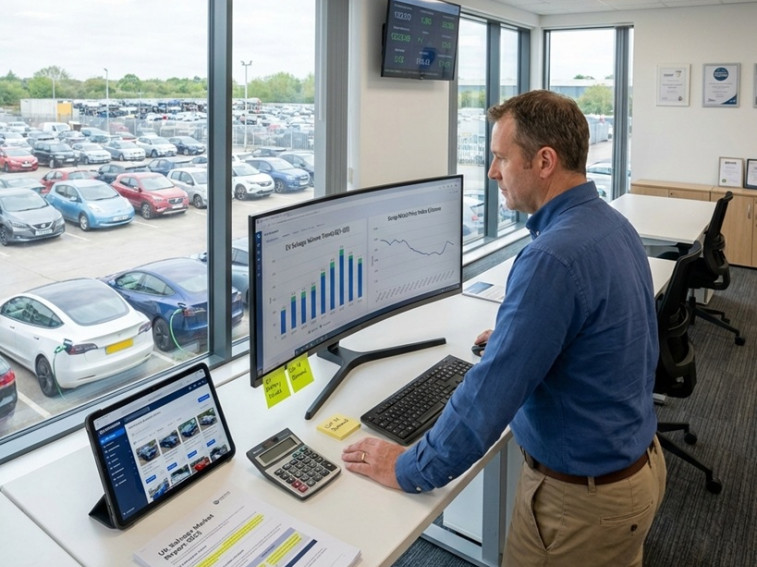
The UK automotive sector is undergoing a profound transformation, driven by technological mandates, economic pressures, and shifts in consumer preference. For professional dealers, mechanics, and parts recyclers operating within the salvage and scrap space, understanding current UK salvage vehicle market trends presents both unique challenges and unprecedented opportunities. Success hinges on anticipating these dynamic conditions and understanding the major shifts shaping asset valuation. Our goal is to provide the critical insights you need to pivot your strategy and maintain profitable growth through RAW2K.
The Electrified Shift: Managing EV Salvage Volume
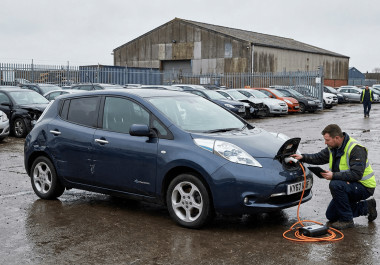
The single biggest factor shaping UK salvage vehicle market trends is the continued and mandated rise of Electric Vehicles (EVs). The Zero Emission Vehicle (ZEV) mandate requires manufacturers to achieve increasingly high quotas for zero-emission sales, directly funnelling a greater volume of damaged, non-repairable, and End-of-Life (ELV) electric and hybrid vehicles into the auction system. This creates a new high-value, high-risk segment that requires specialised knowledge within the scrap vehicle market.
The Immediate Impact of the ZEV Mandate
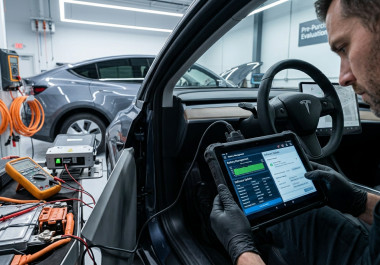
With the ZEV mandate targets continuing to increase, the supply of later-model EVs entering salvage is accelerating. These vehicles often present as Category N or S write-offs due to complex battery damage or expensive electronic control unit (ECU) failures, even if the structural bodywork is minimally compromised. For the savvy buyer, these vehicles represent a goldmine of high-value components, not just the battery, but also sophisticated motors, inverters, and onboard charging systems that are scarce in the aftermarket.
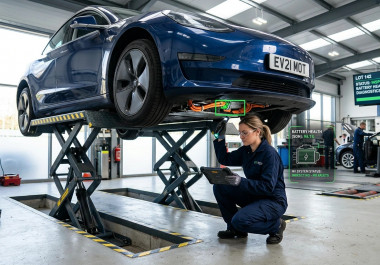
This supply growth requires dealers to shift their evaluation metrics. Where Cat N damage on a petrol car might mean simple panel replacement, the same classification on an EV salvage vehicle could signify thousands of pounds in battery repair or replacement costs. Dealers who acquire the necessary diagnostic skills or establish partnerships with high-voltage specialists will be best positioned to unlock the true value of these assets.
Battery Recycling and Parts Harvesting
The primary salvage value in a damaged EV often rests in its battery pack. However, the market is seeing intense focus on the infrastructure surrounding these packs. New recycling facilities, driven by both market demand and ELV regulations, are emerging across the UK, creating a robust downstream market for damaged or decommissioned batteries.
For vehicles where the battery pack is repairable or suitable for second-life use (such as static energy storage), the sale value dramatically increases. Where the pack is beyond repair, the demand for battery recycling valuable materials like lithium, cobalt, and nickel ensures a stable scrap floor price, unlike the volatile market for traditional metals. Dealers should focus on clear photographic documentation of the battery compartment and any associated crash damage to accurately market these hybrid and electric salvage vehicles available through our platform.
Market Dynamics and the Resilience of Repairable Stock
While the spotlight is on electrification, the ICE segment, the backbone of the UK's fleet, remains critical within the scrap vehicle market. Macroeconomic factors and supply chain constraints continue to influence both the price of used cars and the value derived from scrapped metal.
Sustained Demand for Cat S and Cat N
The used car market in the UK continues to exhibit remarkable resilience. Due to several years of constrained new vehicle supply, the scarcity of 3-to-5-year-old models is keeping used car prices high. This stability is one of the key UK salvage vehicle market trends, directly impacting the repair-to-value threshold used by insurers.
As a result, more cars with significant damage are being classified as Cat N or Cat S because the cost of repairing them remains below the elevated market value of a replacement. This scenario guarantees high demand for repairable stock. Buyers must therefore continue to look past superficial damage, focusing on vehicles where the repairs can be handled efficiently and cost-effectively through sourcing from all cars listings, securing a competitive advantage in a robust secondary market.
The Scrap Price Challenge
For those focused on end-of-life processing, scrap metal prices have seen significant volatility recently. Factors like new international trade tariffs, reduced steel orders from domestic UK mills, and changing export regulations have put downward pressure on the traditional price per tonne.
This volatility in the vehicle recycling market means professional dismantlers must pivot away from relying purely on steel value. Instead, profitability is being driven by maximising returns from reusable components, catalytic converters, and non-ferrous metals like copper and aluminium, which often retain more stable values. The difference between a low-margin scrap vehicle and a high-margin parts donor is meticulous parts harvesting and strategic resale.
Operational Strategies for Success
To thrive amid evolving UK salvage vehicle market trends, professional buyers must leverage technology and remain agile in their sourcing strategies within the scrap vehicle market.
Embracing Digitalisation and Data-Driven Bidding
In a fast-moving market, traditional assessment methods are no longer sufficient. The successful dealer is increasingly reliant on digital tools and data analytics to streamline operations. This efficiency is critical, especially when accessing national listings.
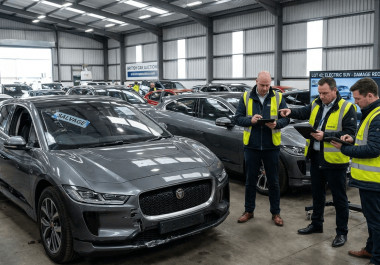
Digitalisation enables the quick cross-referencing of salvage values against market-equivalent used car values, calculating the optimal maximum bid down to the penny. Furthermore, enhanced digital listings, complete with detailed photo galleries and comprehensive documentation, allow for high-confidence bidding without the need for extensive physical inspection.
Navigating the Regulatory Framework
Staying compliant with environmental and safety legislation is non-negotiable and represents a hidden operational cost. The updated ELV directives require stricter adherence to decommissioning protocols, especially concerning hazardous materials and, critically, EV salvage battery handling.
Dealers need documented processes for safely isolating high-voltage systems and storing lithium-ion packs. Investment in accredited training and compliance software ensures that regulatory risk is minimised, protecting profit margins and business reputation in the long term.
Case Study: Regional Sourcing and Maximising Profit
Consider a dealer, Mark, based in the North East, who traditionally focused solely on Cat N petrol hatchbacks for quick resale. He noticed that due to the nationwide supply constraint on 3-year-old used cars, his local competitors were driving up auction prices, eroding his margin to less than 10%.
Mark's strategic shift involves looking further afield and focusing on parts value. He begins bidding on older, higher-mileage Cat B vehicles from regional auctions available through the locations network, specialising in dismantling specific high-demand components like gearboxes, diesel particulate filters (DPFs), and infotainment systems. Mark found that selling five core harvested parts from a single older Cat B vehicle could net him the same profit as repairing and selling a whole Cat N car, but with a much lower time-to-sale and reduced repair liability.
Understanding the Full Spectrum of Salvage Categories
Success in the vehicle recycling market requires understanding how different salvage categories create distinct opportunities for parts harvesting and resale strategies. Beyond the repairable Categories S and N, Cat B vehicles offer unique value propositions for experienced dismantlers who can efficiently extract high-demand components. Whether sourcing standard vehicles or exploring opportunities at bike auctions for motorcycle components, understanding category classifications drives profitability.
Conclusion
Current UK salvage vehicle market trends point to a period of transformation. From the increasing volume and complexity of electric and hybrid write-offs to the price volatility affecting traditional scrap metal prices, successful participation in the scrap vehicle market requires discipline and foresight. Mastering these challenges means prioritising data-driven decisions, investing in specialist EV salvage knowledge, and pivoting strategies to focus on parts harvesting where metal scrap value is suppressed. The vehicle recycling market rewards those who adapt quickly to changing conditions. We invite you to register and explore the national catalogue of opportunities available daily to refine your bidding strategy.
If you have questions about specific categories or auction rules, please contact us for assistance.