Building a successful salvage car flipping business requires more than just mechanical skill; it demands a strategic approach to sourcing, valuation, and market positioning. For professional dealers, the ability to source vehicles consistently at competitive prices is paramount to maintaining high profit margins. This guide provides actionable insights for turning accident-damaged vehicles into a robust income stream through RAW2K, establishing a secure supply line that fuels consistent profitability.
Laying the Legal and Operational Groundwork
A profitable salvage car flipping business starts with a solid legal and logistical foundation. Operating legally protects your investment and ensures compliance with UK trading and vehicle regulations. Without the proper setup, you risk costly delays or even fines, which erode any potential profit.
Before bidding, formally register your business with HMRC and ensure you understand your obligations regarding VAT on vehicle sales and repairs. Dealers must also have appropriate trade insurance that covers vehicles while they are in transit, stored, and undergoing repair. Handling damaged vehicles carries specific risks, so comprehensive liability insurance is non-negotiable.
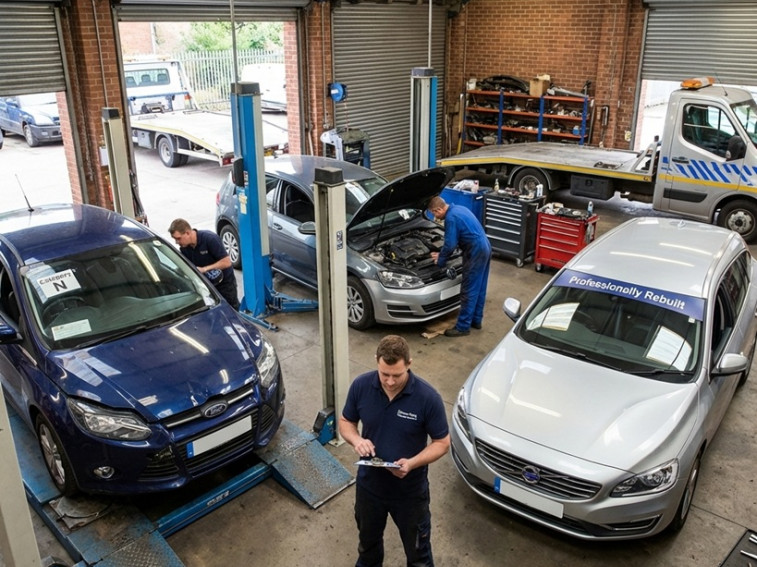
A dedicated, safe repair facility is critical for managing repair timelines and quality control. Consider the capacity of your workshop, ensuring it can accommodate several vehicles simultaneously. Reliable transport is also essential; sourcing reliable recovery vans or flatbed lorries provides the critical asset needed to move stock efficiently.
Mastering Sourcing and Valuation for Profit
The secret to a successful business is securing the right stock at the right price. Learning to accurately assess repair costs from auction images and descriptions is the most valuable skill you can develop. It is like selecting only the best ingredients for a gourmet meal; calculated risk-taking leads to superior returns.
Strategic Stock Selection at Auction Listings
Not all damage is created equal, and smart sourcing involves targeting vehicles that offer the highest potential return relative to the repair complexity. Category N cars often represent quicker, lower-risk projects for high turnover. However, experienced professionals often seek Category S vehicles because the potential for a greater profit margin is higher, provided they have the expertise for complex chassis repair.
Diversifying your inventory can also help broaden your market appeal. Dealers can find unique projects in motorcycle auction listings to cater to different buyer demographics. Finding vehicles in specific geographic areas can reduce transport costs and cater to local demand.
Accurate Costing to Flip Salvage Cars
To successfully Flip Salvage Cars, you must calculate your maximum bid price backwards from the expected retail value. This calculation must meticulously include every expenditure to ensure a clear margin remains. Never underestimate the smaller costs that accumulate quickly in a repair job, from consumables to minor detailing.
Key financial components include the vehicle purchase price, auction fees, parts and labour, and re-registration costs. Once you have a target retail price, subtract all these costs plus your minimum desired profit margin to arrive at your true maximum bid. For reliable stock acquisition, the UK's comprehensive auction network provides the perfect supply chain.
Advanced Bidding and Acquisition Techniques
A disciplined approach to bidding protects your budget against the emotional pull of a competitive auction. Accessing a consistent flow of inventory is straightforward when you utilise the digital platform to bid on available repairable vehicle stock across the nation. The goal is preparation and using the platform's features to your advantage.
Utilising geographical filters allows you to find stock closer to your repair facility or in areas with lower historical competition. You can find local collection points to streamline your logistics. For popular makes or highly desirable models, relying solely on manual bidding can be risky. Proxy bidding allows you to pre-set your maximum acceptable price, and the system automatically bids in increments on your behalf. This ensures you only pay the minimum required to win the auction, up to your defined limit.
Quality Control and Re-Entry into the Market
The reputation of your business hinges entirely on the quality and safety of the repaired vehicles you sell. Cutting corners on repairs will damage your credibility and may result in costly comebacks. Adherence to safety standards is a legal and ethical requirement.
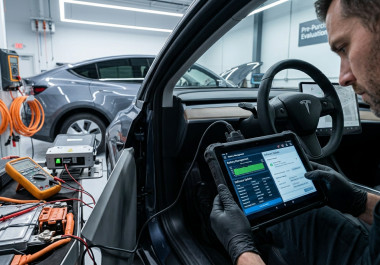
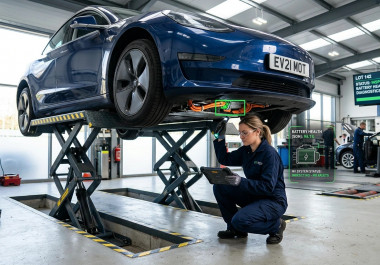
Structural repairs on Category S vehicles must be undertaken by certified body shops that can demonstrate compliance with manufacturer repair methods. For all salvaged vehicles, conduct a thorough post-repair inspection to ensure all safety-critical systems are fully functional. A freshly issued MOT certificate is a crucial part of demonstrating the vehicle's roadworthiness to potential buyers.
Paperwork and V5 Management for Transparency
The V5C logbook must accurately reflect the vehicle's status as a repaired salvage vehicle. Providing a detailed folder of documentation, including the original damage description and invoices for all repair work, builds buyer confidence. Transparency is key to achieving the highest vehicle resale value and avoiding buyer scepticism.
Successfully selling a high-spec vehicle in a secondary market often requires meticulous paperwork to gain buyer trust. If you end up with stripped shells or parts vehicles that cannot be put back on the road, using a scrap disposal service ensures you remain compliant with environmental regulations while recovering residual value.
Maximising Resale Value and Turnover
The final stage is selling the car quickly and at the optimal price. Your selling strategy needs to highlight the quality of the repair and the vehicle's current condition. A professional presentation makes the most significant difference here.
Clean the vehicle thoroughly and use high-quality photography to justify the price. Identify your target customer; if selling to other dealers, trade platforms might be most efficient. To ensure you understand the full auction process before expanding your inventory further, reviewing bidding guidelines can be very beneficial.
The ability to successfully Flip Salvage Cars rests on market expertise and diligent risk management. This involves continually refining your skills at valuation, ensuring every vehicle you acquire contributes positively to your bottom line. Take the next step to secure your inventory and accelerate your salvage car flipping business growth. You can sign up to bid and start sourcing stock today.
If you have questions about specific account requirements, you can contact us for assistance.