Theft recovery vehicles present one of the most misunderstood categories at salvage auctions. While the term might conjure images of stripped shells and damaged goods, the reality spans from pristine vehicles with paperwork delays to genuine restoration projects that reward patient buyers.
Salvage operations process hundreds of theft recoveries monthly, and the variance between vehicles sharing this classification continues to surprise even experienced dealers. Understanding what drives these differences - and recognising the patterns that separate bargains from money pits - determines whether you'll profit or lose on these purchases when you browse car auctions for theft recovery inventory.
The Reality Behind Theft Recovery Classifications
A theft recovery designation simply means the vehicle was reported stolen and later recovered by authorities. The classification tells you nothing about the vehicle's condition, how long it was missing, or what happened during that time.
Industry data shows £50,000 Range Rovers recovered within 48 hours, untouched except for broken driver's windows, selling at 40% below market value. Similarly, decade-old hatchbacks recovered after six months, mechanically sound but requiring deep cleaning and minor cosmetic work, have sold for near-retail prices to savvy buyers who recognised their potential.
The insurance process drives most of these pricing anomalies. Once an insurer pays out a theft claim - typically after 30 days - they own the vehicle if it's recovered. Their priority shifts to quick disposal rather than maximum recovery, creating opportunities for buyers who understand the process and can assess vehicles accurately through vehicle auctions.
What Actually Happens to Stolen Recovered Cars
Recovery data from 2023 shows clear patterns in vehicle condition based on recovery timeframe:
Short-Term Recovery (Within 7 Days)
73% of stolen recovered cars recovered within this timeframe show minimal damage, usually limited to entry points (broken windows, damaged locks) and ignition systems. These vehicles often went joyriding or were abandoned when thieves realised the difficulty of selling them.
Medium-Term Recovery (8-30 Days)
Condition varies dramatically. 45% remain largely intact but may have cloned plates, altered VINs, or amateur attempts to change identifying features. The remainder show signs of being used for criminal activities or partial stripping.
Long-Term Recovery (After 30 Days)
Only 20% retain their original major components. Most have been professionally stripped for parts or extensively modified. However, this category occasionally includes vehicles simply abandoned in remote locations, discovered months later in surprisingly good condition.
Recovery Location Context
The recovery location provides crucial context. Vehicles found in ports or shipping containers were likely destined for export - these often remain complete but may have sophisticated identity changes. Those recovered from chop shops typically miss high-value components like engines, transmissions, or electronic modules when evaluating theft recovery candidates at featured auctions.
Assessing Theft Recovery Vehicles at Auction
Physical inspection remains non-negotiable for theft recoveries. Photos tell perhaps 30% of the story - the rest emerges only through hands-on evaluation. This systematic approach is recommended:
Documentation Review
Check the theft report date against recovery date. Longer gaps increase the likelihood of major issues but also depress prices disproportionately. Request the police report when available - it often details recovery circumstances that affect vehicle condition.
VIN Verification
Run every VIN location (dashboard, door jamb, engine block, transmission). Mismatches don't always indicate fraud - sometimes thieves swap parts between stolen vehicles - but they complicate registration and affect value.
Component Checking
Thieves target specific parts based on market demand. Currently, catalytic converters, airbags, and infotainment systems top the list. Check these first. A missing catalytic converter costs £800-2,000 to replace but often triggers £5,000+ price reductions at auction.
Electrical Systems
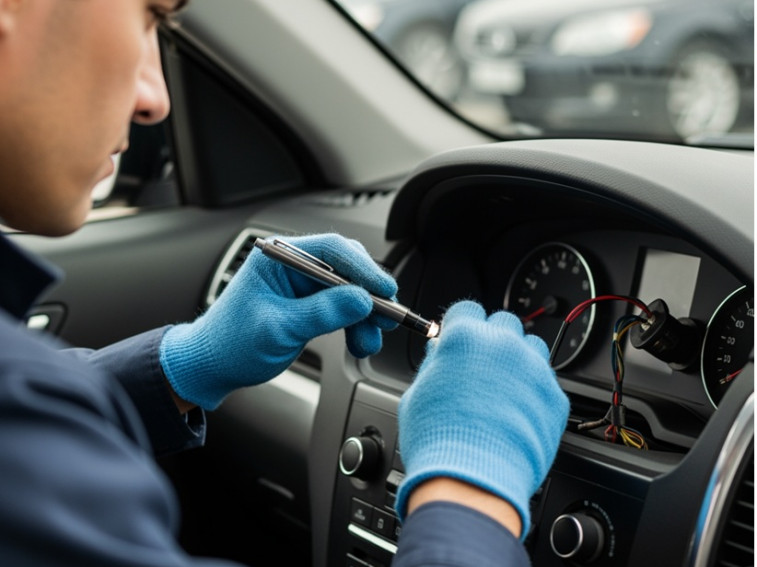
Professional thieves know how to bypass immobilisers without destroying wiring harnesses. Amateurs don't. Budget £2,000-4,000 for electrical repairs if you see cut wires or burnt connectors - problems that photos rarely reveal clearly.
The Hidden Costs Nobody Mentions
Beyond purchase price and obvious repairs, theft recoveries carry unique costs that catch unprepared buyers:
Insurance Complications
Many insurers charge 20-40% premiums for previously stolen vehicles, even after complete restoration. Some refuse coverage entirely. Confirm insurance availability and pricing before bidding.
Registration Delays
The DVLA registration process for theft recoveries averages 6-8 weeks versus 2-3 weeks for standard salvage. Factor holding costs and lost selling season into your calculations.
Identity Verification
Proving a theft recovery's legitimate ownership costs £300-500 in expert assessments and documentation. Budget this automatically - cutting corners here creates legal nightmares.
Deep Cleaning
Vehicles used in crimes require professional bio-cleaning, costing £800-1,500. Standard detailing won't address these issues or satisfy future buyers who research the vehicle's history.
When Theft Recoveries Make Financial Sense
Profitable theft recovery purchases share specific characteristics:
Luxury Vehicles Recovered Quickly
Low-mileage luxury vehicles recovered quickly often sell at irrational discounts. Industry examples include 2022 Mercedes S-Classes with broken windows and depleted batteries selling for £35,000 below retail. After £3,000 in repairs and documentation, these yield £20,000+ profits.
Commercial Vehicles
Commercial vehicles face less stigma from theft history. Builders and trades focus on mechanical condition and price. A recovered Transit van needing £2,000 in repairs but priced £8,000 below market attracts multiple eager buyers through van auctions.
Classic and Enthusiast Cars
Classic and enthusiast cars benefit from communities that value restoration stories. A recovered 1990s JDM sports car becomes more interesting, not less, to certain buyers. Document the restoration process - it adds value rather than detracting from it.
Parts Donors
Parts donors make sense when major components survive intact. A theft-recovered BMW with a perfect S58 engine and destroyed body work supplies £15,000 in parts from a £5,000 purchase when systematically dismantled.
Red Flags That Signal Walk Away
Experience teaches that these patterns predict catastrophic losses:
Multiple VIN Alterations
Multiple VIN alterations suggest professional criminal involvement. Even if mechanically sound, these stolen recovered cars face perpetual registration and insurance obstacles that destroy profitability.
Biohazard Indicators
Biohazard indicators like strong chemical odours, unusual staining, or stripped interiors often indicate drug manufacturing or transport. Remediation costs exceed vehicle value in most cases.
Sophisticated Electronic Modifications
Sophisticated electronic modifications beyond basic immobiliser bypasses suggest the vehicle served specific criminal purposes. These modifications often damage modules throughout the vehicle, creating cascading repair costs.
Missing Service History
Missing service history combined with suspiciously low mileage indicates potential odometer fraud. Without proof of legitimate mileage, resale value plummets regardless of condition.
The Professional Approach to Buying
Successful dealers treat theft recoveries as a distinct category requiring specialised knowledge:
Build Strategic Relationships
Build relationships with specific insurance salvage suppliers who provide detailed histories. The best deals come through partners who share comprehensive recovery information.
Specialise in Specific Makes
Specialise in specific makes to understand component values and common theft patterns. BMW specialists know exactly which modules thieves target and their replacement costs. Generalists consistently overpay or miss opportunities.
Document Everything
Document everything from purchase through restoration. Future buyers pay premiums for transparency. Photograph every repair stage, keep all receipts, and create professional condition reports.
Price for Quick Turnover
Price for quick turnover rather than maximum profit. Theft recoveries depreciate differently than standard used vehicles. A £5,000 profit in 30 days beats a theoretical £8,000 profit that takes six months to achieve.
Market Trends Shaping Theft Recovery Values
Current market dynamics create unusual opportunities in the stolen recovered cars segment:
Keyless Entry Vulnerabilities
Keyless entry vulnerabilities in 2018-2022 luxury vehicles drove theft rates up 300%. These vehicles now flood salvage auctions, many in excellent condition. Fitting upgraded security systems costing £500-1,000 transforms these into retail-ready inventory.
Supply Chain Impact
Supply chain disruptions make certain parts extraordinarily valuable. A recovered vehicle missing its engine but retaining rare ECUs or body panels might profit more through dismantling than restoration when sourced from machinery auctions alongside automotive stock.
Export Restrictions
Export restrictions trap high-value vehicles in domestic markets. Recovered supercars previously destined for Dubai or Hong Kong sell at massive discounts to UK buyers willing to handle paperwork complexities.
Write-Off Category Changes
Insurance write-off category changes mean many theft recoveries receive unnecessarily severe classifications. Understanding write-off categories helps identify miscategorised vehicles selling below appropriate values.
Conclusion: Profiting from Theft Recovery Vehicles
Theft recovery vehicles reward buyers who combine mechanical knowledge with understanding of insurance processes and criminal patterns. The category's complexity deters casual buyers, creating persistent inefficiencies that benefit prepared professionals.
Success requires accepting that not every theft recovery represents an opportunity. Perhaps 20% offer genuine profit potential - but that 20% can deliver returns impossible in standard used car trading. Focus on vehicles where theft circumstances created pricing anomalies rather than actual condition issues.
The skills developed evaluating theft recoveries - rapid assessment, component valuation, documentation management - transfer directly to other salvage categories. Contact us to discuss theft recovery strategies and inventory access. Master this challenging niche, and you'll find profitable opportunities invisible to competitors who shy away from complexity.
Most importantly, remember that theft recovery designation describes a vehicle's history, not its future. With proper evaluation, careful restoration, and transparent selling, these vehicles return to productive use whilst generating substantial profits for knowledgeable salvage dealers willing to see past their complicated past. Register to start exploring theft recovery opportunities in our comprehensive auction platform.