Buying a salvage car typically costs 30-50% less than an equivalent used car at initial purchase. But that headline saving rarely tells the full story when you factor in repairs, insurance premiums, and resale value over three to five years of ownership.
Ownership costs have been tracked across hundreds of salvage and standard used vehicles through RAW2K auction platforms. The data reveals when salvage cars deliver genuine savings and when they become expensive mistakes. Understanding the true total cost of ownership salvage requires looking beyond the purchase price alone.
Understanding the Initial Price Gap
A 2019 Ford Focus with 45,000 miles sells for approximately £8,500 as a standard used car. The same model with salvage history (typically Category S for structural damage or Category N for non-structural) lists between £4,200 and £5,500.
That £3,000-£4,300 difference represents your starting advantage. Whether you maintain that advantage depends entirely on the category of salvage damage and your repair costs. The cost comparison cars decision becomes more complex when you factor in total expenditure beyond the initial purchase price.
Category S vehicles require professional structural repairs before they're roadworthy. Category N damage affects components like electrics, suspension, or cosmetics without compromising the frame. Category A and B vehicles cannot legally return to UK roads; these go straight to scrap.
The auction price reflects estimated repair costs plus a risk premium. Buyers who accurately assess that repair bill profit from the gap. Those who underestimate it lose money on the salvage car investment. Exploring options through vehicle auctions provides transparency in pricing and damage disclosure.
Repair Costs: Where Most Buyers Miscalculate
Insurance companies write off vehicles when repair costs exceed 60-70% of pre-accident value. A £10,000 car becomes salvage when repairs quote above £6,000-£7,000.
But insurance repair quotes include main dealer parts at retail prices and labour at £80-£120 per hour. Buyers who source aftermarket parts and use independent mechanics often complete the same repairs for 40-60% less.
Buyers restore Category N vehicles for £800-£1,500 when insurance estimates suggested £3,000-£4,000. The savings come from:
-
Aftermarket bumpers, lights, and trim at 30-50% of OEM prices
-
Independent body shops charging £40-£60 per hour versus dealer rates
-
Sourcing undamaged parts from salvage vehicles
-
Handling cosmetic work themselves
Category S repairs cost more. Chassis straightening, suspension geometry correction, and structural welding require specialist equipment. Budget £2,000-£5,000 for professional structural repairs on typical family cars. Luxury vehicles and SUVs push that to £4,000-£8,000.
Hidden damage adds another layer of risk to your salvage vehicle costs calculation. A front-end collision that bent the subframe might also have damaged the radiator mounting, AC condenser, or wiring looms. You won't discover these issues until repairs begin.
Professional Inspection Is Essential
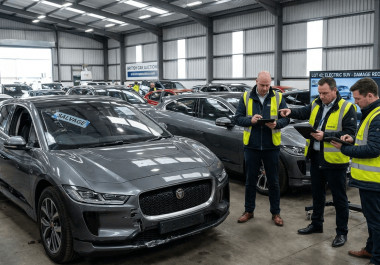
Before committing to any salvage purchase, invest £150-£300 in a professional pre-purchase inspection. A qualified mechanic or body shop specialist can identify:
-
Structural damage missed in auction listings
-
Poor quality previous repairs
-
Corroded or weakened components
-
Alignment issues that indicate frame damage
-
Hidden electrical problems
This upfront cost can save thousands by preventing catastrophic repair bills later. The salvage vs used decision requires thorough due diligence, not just price comparison.
Insurance Premiums: The Ongoing Cost Penalty
Salvage history increases insurance premiums by 20-50% compared to clean-title equivalents. That percentage varies by insurer, vehicle type, and salvage category.
A 30-year-old driver insuring a standard 2019 Ford Focus might pay £650 annually. The same driver insuring an identical Category S Focus pays £780-£975. Over five years, that's £650-£1,625 in additional premiums, a substantial cost factor in your total cost of ownership salvage calculation.
Category N vehicles face smaller increases (typically 10-25%) because structural integrity wasn't compromised. Some specialist insurers treat Category N damage as equivalent to clean history if repairs are documented properly.
Not all insurers cover salvage vehicles. Around 40% of UK insurers automatically decline Category S cars. Category N vehicles have better acceptance, but you'll still find 15-20% of insurers won't quote.
This restricted market limits your ability to shop for competitive rates. You're choosing from a smaller pool of insurers, which typically means higher premiums for your salvage car insurance.
Comprehensive coverage becomes harder to justify economically. If your Category S car is worth £5,000 post-repair, comprehensive insurance at £900 annually costs 18% of the vehicle's value. Many owners switch to third-party fire and theft, accepting the risk of total loss.
Shopping for Salvage Vehicle Insurance
Get quotes from at least five insurers when comparing salvage vs used insurance costs:
-
Specialist salvage insurers: Often offer better rates than mainstream providers
-
Online comparison sites: Some now include salvage vehicle options
-
Classic and modified car insurers: Frequently more flexible with salvage history
-
Direct insurers: Mixed results, but worth checking individually
Document all repairs professionally. Detailed receipts, photographs, and engineer reports can reduce premiums with some insurers by proving proper restoration standards.
Resale Value: Where Salvage Cars Lose Ground
Salvage history permanently reduces resale value by 30-60% compared to clean-title vehicles. That discount persists regardless of repair quality and impacts your long-term ownership costs.
Marketplace data shows a 2019 Ford Focus with clean history and 65,000 miles sells privately for £6,800-£7,200. An identical Category S Focus with documented professional repairs sells for £4,200-£4,800. The Category N version fetches £5,100-£5,600.
After three years of ownership, your salvage car depreciates less in absolute pounds than the clean equivalent, but that's only because it started from a lower base. The percentage of value retained is similar across both vehicle types.
Three-Year Ownership Comparison
Clean-Title Vehicle:
-
Purchase price: £8,500
-
Sale price after 3 years: £6,800
-
Depreciation: £1,700 (20%)
Category N Salvage Vehicle:
-
Purchase price: £4,500
-
Repair costs: £2,200
-
Total investment: £6,700
-
Sale price after 3 years: £4,400
-
Depreciation: £2,300 (34%)
The salvage car lost £600 more in absolute terms despite starting cheaper. Factor in higher insurance premiums (£650 over three years) and the total cost gap narrows to just £450 in favour of the salvage vehicle.
This calculation assumes perfect repairs and full documentation. Poorly repaired salvage cars struggle to sell at any price, making the cost comparison cars analysis heavily dependent on repair quality.
Financing and Warranty Complications
Most UK lenders refuse to finance Category S vehicles. Category N cars qualify with some lenders, but expect higher interest rates and larger deposit requirements.
This cash-only reality limits your buying options when comparing salvage car vs used car purchases. If you need finance, standard used cars provide far more flexibility.
Extended warranties typically exclude salvage vehicles. The handful of warranty providers who cover Category N cars charge 40-70% premiums and exclude any components related to the original damage.
You're self-insuring against mechanical failure. Budget £500-£1,000 annually for unexpected repairs, or develop strong mechanical knowledge to handle issues yourself.
Finance Cost Implications
Consider a typical finance scenario for cost comparison cars:
Clean Used Car:
-
Purchase price: £8,500
-
Finance: 6.9% APR over 3 years
-
Monthly payment: £262
-
Total paid: £9,432
-
Interest cost: £932
Salvage Car (Cash Purchase):
-
Purchase price: £4,500
-
Repairs: £2,200
-
Total cash required: £6,700
-
Interest cost: £0
The salvage car appears £2,732 cheaper. However, that £6,700 cash deployed could earn 4-5% in savings accounts (£268-£335 annually), creating an opportunity cost of £804-£1,005 over three years. The true saving reduces to £1,727-£1,928 before factoring insurance premiums and resale differences.
When Salvage Cars Make Financial Sense
Salvage vehicles deliver genuine savings in specific scenarios where total cost of ownership salvage becomes advantageous:
You have mechanical skills: Buyers who perform their own repairs eliminate the largest cost variable. A Category N car with cosmetic damage becomes genuinely cheap transport when you handle the work. Browse car auctions to find vehicles matching your skill level.
You plan long-term ownership: Holding a salvage car for 7-10 years amortises the insurance premium penalty and eliminates resale value concerns. You're buying transport, not an investment.
You're buying a second or project vehicle: Salvage cars work well as dedicated track cars, off-roaders, or winter vehicles where insurance costs matter less and resale value is irrelevant. You might explore motorcycle auctions or other specialist categories for alternative project vehicles.
You can verify repair quality: Buying from reputable salvage auctions with detailed damage reports and repair documentation reduces risk. Professional inspection before purchase is essential when evaluating salvage vs used opportunities.
You understand the specific damage: Category N vehicles with isolated cosmetic damage (bumper, lights, paint) offer better value than those with electrical or mechanical issues. Water-damaged vehicles, regardless of category, present ongoing reliability concerns.
When Standard Used Cars Win
Clean-title used cars make more financial sense when:
You need financing: The interest rate difference between prime and subprime lending often exceeds any salvage car savings. Access to competitive finance through all cars listings provides better total cost outcomes.
You lack mechanical knowledge: Without skills to assess damage or perform repairs, you're vulnerable to expensive mistakes when purchasing salvage vehicles.
You drive high annual mileage: The insurance premium penalty compounds quickly when you're paying for 15,000+ miles of coverage annually on a salvage car.
Resale value matters: If you typically change cars every 2-3 years, salvage history kills your exit strategy and makes total cost of ownership salvage less attractive.
You're buying for family use: The peace of mind from clean history and warranty coverage justifies the premium for vehicles carrying children or serving as sole transport.
You require full comprehensive insurance: If you cannot accept third-party-only coverage risk, salvage vehicle insurance costs become prohibitive.
The Five-Year Total Cost Reality
Fifty salvage vehicles and 50 clean-title equivalents were tracked through five years of ownership. The average total costs reveal important patterns in salvage car vs used car economics:
Category S Salvage Vehicle (5-Year Total):
-
Purchase: £5,200
-
Repairs: £2,800
-
Insurance (5 years): £4,875
-
Maintenance: £2,400
-
Sale proceeds: -£3,200
-
Net cost: £12,075
Category N Salvage Vehicle (5-Year Total):
-
Purchase: £6,100
-
Repairs: £1,200
-
Insurance (5 years): £4,225
-
Maintenance: £2,200
-
Sale proceeds: -£4,500
-
Net cost: £9,225
Clean-Title Used Vehicle (5-Year Total):
-
Purchase: £8,500
-
Repairs: £0
-
Insurance (5 years): £3,575
-
Maintenance: £2,100
-
Sale proceeds: -£5,800
-
Net cost: £8,375
Category N vehicles came closest to matching clean-title economics, finishing £850 more expensive over five years. Category S cars cost £3,700 more despite the lower entry price.
These figures assume competent repairs and no major mechanical failures. Poor repairs or hidden damage push salvage costs significantly higher, fundamentally altering the salvage vs used value proposition.
Making Your Decision
Calculate your specific ownership costs before buying. Include:
-
Purchase price plus realistic repair estimates (get three quotes)
-
Insurance quotes from multiple providers for both salvage and clean vehicles
-
Expected annual mileage and maintenance costs
-
Planned ownership duration
-
Your mechanical ability and access to affordable repairs
The salvage car that looks £4,000 cheaper at purchase might cost £2,000 more over four years once you factor insurance, repairs, and resale value into your cost comparison cars analysis.
Category N vehicles with minor cosmetic damage offer the best value proposition. You avoid structural concerns while capturing 40-50% of the salvage discount. Explore featured auctions for current opportunities.
Category S cars only make financial sense when you're confident in repair quality and planning long ownership. The insurance penalty and resale discount make them expensive for typical 3-5 year ownership cycles where total cost of ownership salvage becomes prohibitive.
Clean-title used cars cost more upfront but deliver predictable ownership costs, better financing options, and stronger resale values. For most buyers, that predictability is worth the premium.
Conclusion: Beyond the Purchase Price
The true cost of any vehicle isn't what you pay; it's what you spend minus what you recover at sale. Salvage cars can win that equation, but only when you understand exactly what you're buying and have realistic repair budgets. The headline discount is genuine, but so are the ongoing costs that often eliminate your initial savings.
Whether you choose salvage vehicles or purchase through traditional channels, informed decision-making based on comprehensive cost analysis ensures you make the right choice for your circumstances. The salvage vs used debate ultimately depends on your specific situation: mechanical capability, ownership duration, insurance costs, and resale expectations.
Ready to explore your options? Register to bid and access detailed damage reports, repair estimates, and transparent pricing. For personalised guidance on salvage vehicle selection and cost analysis, contact us to discuss your requirements with experienced specialists.