Buying a salvage vehicle at auction looks like a bargain until you calculate the actual repair bill. A Category S write-off listed at £8,000 might need £4,500 in structural work, while a seemingly minor dent could hide £2,000 in panel replacement costs. The difference between profit and loss comes down to accurate damage assessment before you bid.
We've processed thousands of salvage vehicles through UK auctions at RAW2K, and a salvage repair estimator reveals a consistent pattern: buyers who underestimate damage repair costs by more than 15% rarely break even. Understanding what different damage types actually cost is essential for anyone serious about salvage purchases. Here's what different damage types actually cost to fix in 2024, based on real workshop invoices and insurance assessments. When you're evaluating salvage vehicles on vehicle auctions, accurate cost estimation separates profitable investments from expensive mistakes.
Front-End Collision Damage: £3,000-£12,000
Front-end impacts account for 42% of salvage auction vehicles. The visible damage tells only part of the story when calculating damage repair costs.
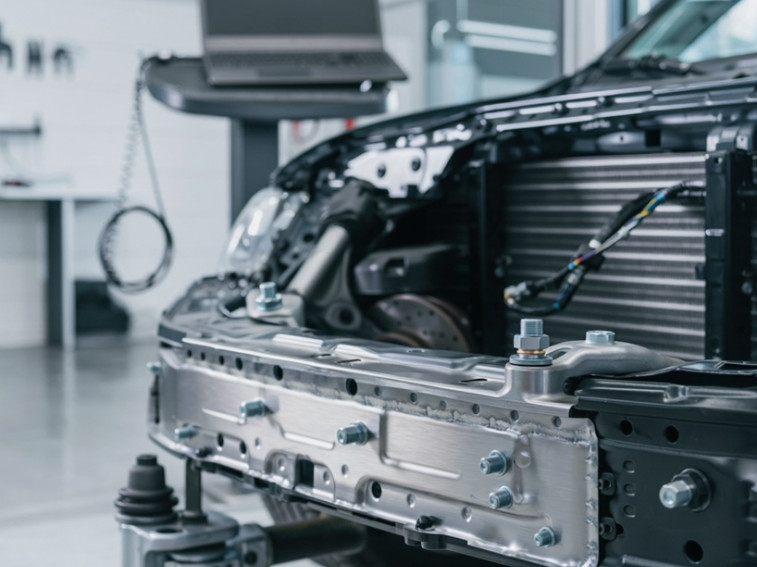
A crumpled bonnet and broken headlight might cost £800 to replace on a Ford Fiesta, but if the impact compressed the radiator support or tweaked the chassis rails, you're looking at £3,500-£5,000 in structural repairs before any cosmetic work begins. This is where a proper salvage repair estimator becomes invaluable—distinguishing between surface damage and underlying issues.
Component-Level Breakdown
Bumper and grille replacement costs £400-£800 for standard models, rising to £1,200-£2,500 for premium brands with parking sensors and cameras integrated into the bumper assembly. Headlight units range from £150-£400 each for halogen systems, while LED or adaptive headlights reach £600-£1,500 each. A pair of Audi matrix LED headlights alone can cost £3,000 just for the parts.
Radiator and cooling system repairs run £300-£600 for the radiator, plus £150-£300 for intercooler damage on turbocharged engines. Add £200-£400 if the air conditioning condenser needs replacing. Bonnet replacement totals £200-£400 for the panel, with an additional £150-£250 for painting and fitting. Aluminium bonnets on performance models cost £600-£1,200.
Structural Damage: The Real Cost Driver
If the impact pushed the front subframe back or bent the chassis rails, expect £2,000-£4,000 for straightening on a jig. Vehicles with unibody construction often need complete rail sections cut out and welded in—specialist work costing £150-£200 per hour with 15-25 hours typical for significant damage. Front-end collision damage becomes genuinely expensive when structural elements are involved, which is why inspecting beyond visible panels matters when using any damage repair costs calculator.
Rear-End Impact Repairs: £2,500-£8,000
Rear impacts seem simpler to fix than front-end damage, but modern vehicle design makes them expensive. The rear panel forms part of the structural integrity on most cars, and crumple zones extend into the boot floor.
Rear Panel and Tailgate Costs
Tailgate or boot lid replacement costs £300-£600 for standard models, rising to £800-£1,500 for SUVs with integrated spoilers and power operation. Rear lights range from £100-£250 each for basic units up to £400-£900 each for LED clusters on premium vehicles.
The rear bumper assembly costs £250-£500 for the cover, mounting brackets, and sensors. Add £200-£400 if the impact damaged the crash bar behind the bumper. Boot floor and rear panel work is where damage repair costs escalate significantly. If the impact compressed the boot floor or damaged the rear panel, you're looking at structural repairs costing £1,500-£3,000. The rear panel on most vehicles is welded in place and requires 8-12 hours of skilled labour to replace properly.
Additional Rear Impact Considerations
Rear impacts often damage the fuel tank mounting or filler neck (£300-£600 to fix), and checking for damage to the rear suspension mounting points is essential. Repairing these structural points costs £800-£1,500 if they've been pushed out of alignment. Browse van auctions to see how commercial vehicles with reinforced rear sections often fare better in rear-end collisions.
Side Impact and Door Damage: £1,500-£6,000
Side impacts vary dramatically in repair cost depending on whether they hit the door skin or penetrated to the B-pillar and sill. A reliable salvage repair estimator must account for these variations.
Door and Panel Replacement
Door replacement runs £200-£400 per door for the shell, plus £150-£250 per door for painting. Front doors with frameless windows or complex sealing systems cost £400-£700 each. Door internals—window regulators (£80-£200), door locks (£60-£150), and speaker systems (£40-£120)—often need replacing after side impacts.
Wing or quarter panel repair presents different challenges. Front wings bolt on and cost £150-£300 plus painting. Rear quarter panels are welded and need 6-10 hours of skilled labour (£900-£1,500) plus materials and paint.
Structural Side Damage
B-pillar and sill damage signals serious structural involvement. If the impact damaged the B-pillar or sill, you're into structural territory with significant damage repair costs. Sill replacement costs £800-£1,500 per side, while B-pillar work runs £1,200-£2,500 because it affects roof strength and requires precision alignment. Side impacts that deploy curtain airbags add £600-£1,200 for airbag replacement, plus seat belt pretensioners (£150-£300 per seat).
Roof and Rollover Damage: £4,000-£15,000+
Rollover damage often renders vehicles uneconomical to repair. The roof panel itself isn't expensive—£300-£600 for the metal—but the labour to cut out and weld a new roof panel runs 20-30 hours at specialist body shop rates.
Roof Replacement Costs
Complete roof skin replacement including labour and paint costs £3,000-£5,000. A-pillar, B-pillar, or C-pillar damage presents additional costs, with each pillar replacement costing £1,500-£3,000. These are structural components that require precise measurement and alignment on a jig.
Windscreen and rear screen replacement ranges from £200-£400 for standard glass, £400-£800 for heated or acoustic glass, and £800-£1,500 for head-up display windscreens. Rollover damage typically affects multiple panels and structural points simultaneously. A vehicle that's rolled once usually needs £8,000-£12,000 in repairs minimum. If it rolled multiple times or came to rest on its roof, the repair costs often exceed the vehicle's pre-accident value entirely.
Water and Flood Damage: £2,000-£10,000
Flood damage creates hidden damage that appears weeks or months after purchase. Water level determines severity: footwell flooding costs less to rectify than engine bay submersion. Any salvage repair estimator must account for both immediate and long-term water damage consequences.
Interior and Electrical Damage
Carpet and interior drying costs £300-£600 if caught quickly, but most flood-damaged vehicles at auction have been sitting wet for days or weeks. Expect to replace all carpets (£400-£800), seat foam (£200-£400 per seat), and door cards (£150-£300 per door).
Electrical systems represent where flood damage becomes genuinely expensive. Water in the footwells reaches control modules under the seats and in the centre console. Body control modules cost £300-£600, ABS modules £400-£800, airbag control units £300-£500. A flood-damaged vehicle might need 3-6 control modules replaced simultaneously, significantly inflating damage repair costs.
Engine and Long-Term Issues
If water reached the air intake, the engine might have hydrolocked. Inspection costs £200-£400, and if the engine ingested water, you're looking at £2,000-£4,000 for a rebuild or £3,000-£8,000 for a replacement engine. Corrosion represents the long-term cost of flood damage. Problems emerge 6-18 months later—intermittent electrical faults that cost hundreds to diagnose and fix.
We rarely recommend flood-damaged vehicles unless you're breaking them for parts. The repair costs are unpredictable and often exceed initial estimates by 40-60%. When browsing car auctions, steering clear of flood damage saves substantial costs downstream.
Fire Damage: £5,000-Total Loss
Fire damage assessment requires specialist knowledge. Even minor engine bay fires often total vehicles due to wiring harness damage. Understanding these damage repair costs helps avoid catastrophic investments.
Engine Bay Fire Costs
Engine bay fires present the first challenge. Wiring harness replacement costs £800-£2,000 depending on the vehicle. Add £400-£1,200 for hoses, belts, and plastic components that melted. If the fire reached the engine, expect £300-£600 for cleaning and inspection, potentially £2,000-£5,000 for internal damage repairs.
Interior Fire Damage
Interior fires require seat replacement (£300-£800 per seat), dashboard replacement (£500-£1,500), and complete wiring harness replacement (£1,500-£3,000). Interior fires often damage the windscreen from heat stress (£200-£800 to replace). Structural heat damage weakens metal permanently. If flames heated structural components to the point of discolouration, the metal has lost strength and the vehicle shouldn't be repaired for road use.
Fire-damaged vehicles at auction are usually only viable for parts recovery. The insurance company has typically assessed them as total losses for good reason.
Paint and Panel Damage: £500-£3,000
Minor cosmetic damage offers the best profit potential if you assess it accurately using a comprehensive salvage repair estimator.
Scratch and Dent Repair
Scratch and dent repair costs vary significantly. Small dents cost £60-£120 each for paintless dent removal. Scratches requiring paint work cost £150-£300 per panel for spot repairs, £250-£400 per panel for full resprays.
Panel Repainting Costs
Panel repainting includes door (£250-£400), bonnet (£300-£500), wing (£200-£350), and full side panels (£800-£1,500). Premium paint colours—pearl whites, metallic blacks, special effect finishes—cost 20-30% more than standard finishes. Full resprays run £2,000-£4,000 for a quality job on a standard car, rising to £4,000-£8,000 for premium vehicles where colour matching is critical.
The key to accurate assessment is distinguishing between damage that's genuinely cosmetic and damage that indicates underlying structural issues. A scrape along the sill might look like a £300 paint job but could hide sill damage costing £1,200 to repair properly.
Mechanical Damage: £800-£8,000
Mechanical issues vary enormously in repair cost depending on the component and vehicle. Accurate damage repair costs for mechanical failures require detailed component assessment.
Engine and Transmission Costs
Engine replacement costs £2,000-£4,000 for common models with good parts availability, rising to £4,000-£8,000 for premium or rare vehicles. Add £600-£1,200 for fitting and ancillaries. Gearbox replacement ranges from manual boxes at £600-£1,500 through automatic gearboxes at £1,500-£3,500 to dual-clutch systems at £2,500-£5,000, with fitting adding £400-£800.
Suspension and Steering Costs
Suspension damage includes front suspension arms (£100-£300 per side), rear suspension (£150-£400 per side), coil springs (£80-£200 per corner), and shock absorbers (£100-£300 per corner). A full suspension rebuild costs £1,200-£2,500. Steering damage involves steering racks at £300-£800 and power steering pumps at £150-£400, while electric power steering systems cost more—£500-£1,200 for the motor and control unit.
For specialised vehicles like motorcycles, damage assessment follows different criteria. Check motorcycle auctions to understand how two-wheeler damage repair costs compare to standard vehicles.
Hidden Damage That Multiplies Costs
The most expensive mistakes come from missing hidden damage during initial assessment. A thorough salvage repair estimator accounts for these commonly overlooked issues.
Suspension Geometry Issues
Suspension geometry requires attention after serious impacts. A vehicle that's been hit hard enough to deploy airbags has probably suffered suspension damage even if it's not visible. Wheel alignment after repairs might reveal bent components needing replacement—£400-£1,200 in additional parts and labour.
Frame Straightening Requirements
Frame straightening adds substantial damage repair costs if the vehicle needs time on a straightening jig. Expect £150-£250 per hour with 8-20 hours typical for moderate damage. Severe damage requires 25-40 hours.
Airbag System Restoration
Airbag systems add significant costs post-deployment. Deployed airbags cost £300-£600 each to replace. Most vehicles have 6-8 airbags. Add seat belt pretensioners (£150-£300 per seat) and the airbag control module (£300-£500). Total airbag system restoration runs £2,500-£5,000.
Modern Safety Systems
Modern safety systems create additional hidden costs. Vehicles with autonomous emergency braking, lane keeping, or adaptive cruise control have sensors in the bumpers, grille, and windscreen. Recalibration after repairs costs £150-£400. Damaged sensors cost £300-£800 each.
Building Your Repair Cost Estimate
Creating an accurate salvage repair estimator requires systematic assessment and realistic contingency planning.
Initial Assessment and Contingency
Start with the visible damage and add 25-35% for hidden issues on impact-damaged vehicles. This buffer accounts for damage that only becomes apparent during disassembly. Get quotes from at least two repairers before bidding. Body shops vary in hourly rates (£45-£85 per hour for standard work, £85-£150 for specialist structural repairs) and efficiency. A quote protects you from optimistic assumptions.
Time and Storage Considerations
Factor in your time and storage costs. A vehicle that takes eight weeks to repair ties up capital and space. If you're paying for storage at £20-£40 per week, add £160-£320 to your total damage repair costs calculation.
Post-Repair Value Calculation
Calculate the post-repair value realistically. Salvage vehicles carry Category S or Category N markers that reduce resale value by 15-30% compared to clean examples. A repaired vehicle worth £12,000 with a clear title might only fetch £8,500-£10,000 with a Category S marker.
Profit Margin Requirements
The profit margin on salvage vehicle repairs should exceed 30% to justify the risk and effort. Anything less leaves you vulnerable to unexpected costs or slower-than-expected sales. When you register to bid on salvage auctions, having this calculation framework ready ensures disciplined bidding.
Specialised Damage Assessment for Different Vehicle Types
Different vehicle categories require tailored approaches when calculating damage repair costs through your salvage repair estimator.
Commercial Vehicles and Vans
Commercial vehicles often feature simpler construction with bolt-on panels and separate chassis designs. Repair costs typically run 20-30% lower than equivalent passenger car damage due to simpler construction and better parts availability. However, commercial vehicles may have additional considerations like load bed damage or hydraulic lift system repairs.
Motorcycles and Bikes
Motorcycle damage assessment focuses heavily on frame integrity and engine damage. Even minor accidents can cause frame alignment issues that render bikes unsafe. Fairings and bodywork are relatively inexpensive (£200-£800 for complete aftermarket sets), but engine cases, forks, and wheels become expensive quickly (£800-£2,500 for quality replacements).
Specialist and Performance Vehicles
Performance vehicles carry significantly higher damage repair costs due to specialised parts, aluminium construction requiring specific welding techniques, and the need for manufacturer-certified repairs to maintain value. A front-end collision costing £4,000 to repair on a standard Ford might cost £8,000-£12,000 on a BMW M-series due to carbon fibre components and specialist labour requirements.
Mastering Salvage Repair Cost Estimation
Accurate repair cost estimation separates profitable salvage purchases from expensive mistakes. Front-end collision damage typically runs £3,000-£12,000 depending on structural involvement, while rear impacts cost £2,500-£8,000. Side damage ranges from £1,500 for door replacement to £6,000 for structural sill and pillar work. Flood and fire damage create unpredictable costs often exceeding initial estimates by 40-60%, making these vehicles suitable primarily for parts recovery.
The critical skill is identifying hidden damage before you bid. Visible panel damage might cost £2,000 to repair, but underlying chassis damage can add another £4,000 to the bill. Always obtain repair quotes from qualified technicians before committing to purchase, and maintain a 25-35% contingency for unexpected issues. With salvage vehicles carrying permanent Category markers that reduce resale value by 15-30%, your minimum profit margin should be 30% to justify the investment.
Calculate conservatively, verify structural integrity thoroughly, and when you need specialist advice on specific vehicles, contact us for expert quotes from experienced assessors. For broader opportunities across vehicle types and categories, explore truck auctions and machinery auctions where different damage assessment criteria apply.