Auction houses process hundreds of vehicles weekly, sometimes thousands. The sheer volume means mistakes slip through despite best efforts. Incorrect salvage categories, wrong mileage readings, missing damage in descriptions, even vehicles sold without proper legal documentation. These errors happen more often than most buyers realise. The difference between buyers who get burned and those who do not comes down to auction house protection through systematic verification.
The truth is that auction errors can cost thousands. A vehicle listed as Cat N that is actually Cat S. A mileage reading off by 50,000 miles. A "runner" that does not actually start. These are not rare occurrences. But with the right approach and healthy scepticism, you can protect yourself effectively. Comprehensive methods exist for identifying salvage listing verification errors before they become costly mistakes. These verification practices provide essential protection for every purchase.
Understanding Where Errors Typically Occur
Auction houses are run by people, and people make mistakes. Understanding where errors typically happen focuses your verification efforts. High-volume processing creates error opportunity. Time pressure and incomplete information from sellers compound the problem. Most errors are not malicious but rather human mistakes under difficult conditions. Staff processing dozens of vehicles daily cannot verify every detail independently. They rely on seller-provided information that may itself be inaccurate. Your independent verification catches what their processes miss.
Vehicle descriptions frequently contain inaccuracies about condition, running status, or completeness. Salvage category classifications get mixed up, particularly between Cat N and Cat S. Mileage discrepancies appear when someone misreads an odometer or inputs data incorrectly. Legal documentation errors prove particularly problematic. A vehicle might be listed with V5C present when it is actually missing. Or the description says "all keys included" when there is only one. These details matter enormously when reselling or registering a vehicle. A vehicle listed as Cat N cosmetic damage but actually Cat S structural damage changes insurance implications, repair requirements, and resale value fundamentally.
The Pre-Bid Research Process
Before placing any bid, verify everything independently. Do not trust the listing as gospel. Treat it as a starting point requiring confirmation. Start with an HPI check or similar vehicle history report. This reveals the true salvage category, outstanding finance, theft markers, and recorded mileage history. If the auction listing says Cat N but HPI shows Cat S, you have just saved yourself from a costly mistake. Different check providers access different databases. For higher-value purchases, running checks with multiple providers catches information single checks might miss.
Executing proper MOT history analysis takes two minutes and costs nothing. Check MOT history through the DVLA's free online service. This MOT history analysis provides a clear timeline of the vehicle's past, showing actual mileage at each test, advisories, and failure reasons. Mileage discrepancies become obvious through MOT history analysis. Vehicles showing 60,000 miles in listings but 110,000 on the last MOT represent clear salvage listing verification errors requiring investigation. Independent resources emphasise verification importance. Cross-reference everything in the description against independent sources. Auction platforms provide information based on what sellers supply, but sellers are not always accurate or honest.
Physical Inspection As Primary Defence
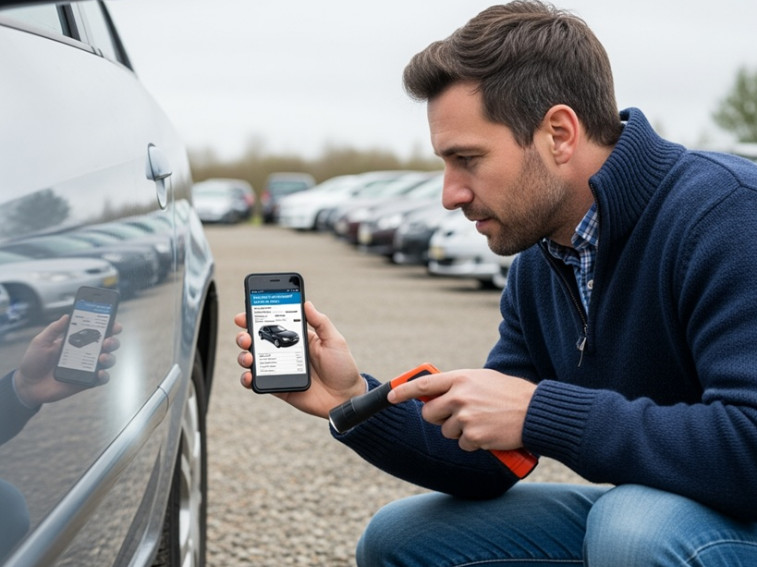
If the auction allows viewing, use it. Never skip this step for anything involving serious money. Bidding without seeing the vehicle is like buying a house from one photo. Bring appropriate tools. A torch reveals hidden damage. A magnet detects body filler under fresh paint. A paint depth gauge shows resprayed panels not mentioned in descriptions. Check every panel for colour mismatch and overspray. Open and close every door, bonnet, and boot. Misaligned panels indicate accident damage that might not be disclosed.
Look underneath for evidence of chassis or subframe damage, particularly on vehicles listed as Cat N. Structural repairs that should have triggered Cat S designation sometimes get missed or concealed. A "minor bumper damage" vehicle might reveal significant structural repairs upon proper inspection. Five minutes underneath with a torch can reveal replaced crossmembers or other repairs that change everything about the vehicle's true category and value. Photograph any damage not mentioned in the description, and note every discrepancy between listed condition and actual condition.
Documentation Verification
Paperwork matters as much as the vehicle itself. Proper V5C logbook verification matters as much as the vehicle itself. A car without proper documentation creates expensive legal headaches. Verify the V5C logbook is present and matches the vehicle. Check the VIN on the V5C against the VIN plate on the vehicle. They should be identical. Conducting strict V5C logbook verification prevents purchasing a stolen or heavily financed vehicle by mistake. If the auction listing says V5C present but you cannot see it during viewing, do not assume it will magically appear after payment. Ensure absolute V5C logbook verification before bidding.
Service history claims need verification. "Full service history" often means someone found three random stamps in a book. Examine the actual service book if available. Check stamps are from legitimate garages and mileage progression makes sense. Inconsistent mileage between services indicates either error or manipulation. For commercial vehicles, documentation becomes even more important. Proof of first registration date affects tax calculations. Outstanding operator's licence issues cause significant problems. Verify all commercial documentation independently rather than relying on listing claims.
Understanding Your Legal Protections
Auction houses operate under specific legal frameworks. Knowing your rights prevents being fobbed off when errors occur. The Consumer Rights Act 2015 provides some protection for private buyers, though more limited at auction than in traditional retail sales. Auction houses must not misrepresent vehicles, but they often include disclaimers about buying "as seen" or "with all faults."
These disclaimers do not provide carte blanche to lie. Deliberate misrepresentation of condition or legal status constitutes fraud. Negligently providing incorrect information may also provide grounds for complaint. Trade buyers have different protections, typically governed by specific terms and conditions of sale. Read these carefully before registering. They outline what happens when errors occur and what remedies you are entitled to. Understanding your legal position before problems arise strengthens your position when auction house protection becomes necessary. Material misrepresentation about vehicle condition, category, or documentation status may entitle you to remedies ranging from partial refunds to complete rescission of the sale. Document everything carefully to support any claim.
What To Do When You Spot Errors Before Bidding
If you identify discrepancies between listing and independent checks, do not ignore them and bid anyway hoping for a bargain. Contact the auction house immediately. Document everything in writing. Email with specifics: "Listing shows Cat N, but HPI check reveals Cat S" or "Mileage listed as 45,000 but MOT history shows 95,000." Attach evidence including screenshots of HPI reports, MOT history, or inspection photos. Written communication creates records protecting you if problems arise later. Phone calls leave no documentation.
Most reputable auction houses investigate reported discrepancies and either correct listings or withdraw vehicles. If they do not respond appropriately, your written evidence shows you flagged the issue before bidding. Reporting salvage listing verification errors protects you and other buyers across all vehicle types, including those found at salvage motorcycle auctions, while demonstrating your diligence. Buyers who spot errors, report them, and then bid on corrected listings at reduced prices turn diligence into profit. Other bidders who did not do their homework pay for their laziness. Your verification effort creates competitive advantage alongside auction house protection.
Protecting Yourself During Bidding
Once you have verified everything and decided to bid, protect yourself from process errors too. Platforms occasionally glitch, bids fail to register, or proxy bids execute incorrectly. When using a reputable platform like RAW2K, screenshot everything. Capture your bid amount, submission time, and confirmation. For proxy bids, screenshot the maximum you have set. This evidence proves invaluable if disputes arise about whether you won or what you agreed to pay.
Never bid in final seconds unless you are experienced with that specific platform. Different auction systems handle last-second bids differently. Some extend auctions, others do not. Know the rules before risking missing out or accidentally winning at higher prices than intended. Be extra cautious about lot numbers, especially on mobile devices. Bidding on lot 247 when you meant lot 274 happens surprisingly easily. Verify lot numbers carefully before confirming bids. Browse inventory carefully, confirming each lot matches your intended purchase.
Post-Purchase Error Discovery
You have won the vehicle, collected it, and then discovered something not in the description. The engine management light is on when listed as "no warning lights." A windscreen crack was not photographed. What now? Act immediately. Do not start repairs or modifications. Altering the vehicle weakens your position for any complaint. Document the error with photos and videos showing the issue clearly. Compare this evidence against the original listing description. Date-stamp everything.
Contact the auction house within 24-48 hours. Most have formal complaint procedures. Reference your documentation and explain specifically how the vehicle does not match the description. Be factual, not emotional. "The listing stated 'no warning lights' but the engine management light is illuminated" works better than subjective complaints. Realistic outcomes depend on error severity and auction terms. Major issues like undisclosed structural damage found in damaged cars for sale might result in partial refunds or return options. Minor issues rarely resolve in your favour after you have taken possession.
Building A Paper Trail
The single most effective auction house protection is meticulous record-keeping. From initial research until months after ownership, keep everything. Save original listings with all photos and descriptions. Auction houses sometimes edit listings after sale. You need proof of what was actually stated when you bid. Take screenshots rather than relying on bookmarks. Pages get deleted or modified. Screenshots preserve evidence permanently.
Keep all correspondence with auction houses, particularly anything discussing vehicle condition, documentation, or collection arrangements. Email creates better records than phone calls. If you speak by phone, follow up with email summarising what was discussed. This creates written record of verbal agreements. Your HPI check, MOT history printouts, inspection photos, and independent assessments should all be filed together. If you need to make claims or complaints months later, this evidence becomes crucial. Organised records demonstrate professionalism and strengthen your position in any dispute.
Learning From Common Patterns
Certain error types occur repeatedly with specific vehicle categories. Knowing these patterns focuses verification efforts effectively. Ex-fleet vehicles often have mileage discrepancies. Multiple drivers and poor record-keeping create errors. Verify MOT history carefully and be suspicious if service records are patchy. Fleet vehicles may also have undisclosed damage from minor incidents that were never properly recorded.
Salvage category discrepancies create serious problems for future insurance. Listings might show Cat C or Cat D when they should show Cat S or Cat N. Reporting salvage category discrepancies protects you from buying a heavily damaged vehicle listed incorrectly. Understanding salvage category discrepancies prevents you from paying too much for compromised goods. Insurance write-offs frequently have incorrect classifications. Understand category equivalents and verify current status independently. Seized or recovered vehicles sometimes lack proper documentation because they have been through police or finance company processes. If you are assessing larger vehicles, like those found at salvage caravan auctions, fleet histories and documentation require careful attention. Import vehicles carry additional risks around mileage, specification differences, and UK registration status. Check the V5C shows UK first registration, not just import date.
When To Walk Away
Sometimes the best protection is simply not buying. If an auction house refuses to address clear errors you have identified, that indicates how they will treat you post-sale. Poor response to pre-sale concerns predicts poor response to post-sale problems. Multiple discrepancies between listing and your checks suggest more problems you have not found yet. Where verification reveals several errors, assume others remain hidden.
Trust your instincts. If something feels wrong, there is usually a reason. Prices too good, descriptions too vague, photos too limited. The auction world has genuine bargains, but it also has money pits disguised as opportunities. If a vehicle turns out to be structurally compromised beyond repair, utilising a scrap car collection service might be your only recourse. Rejecting one problematic vehicle means remaining available for the next genuine opportunity. Patience and selectivity consistently outperform impulsive purchasing in auction outcomes.
Building Relationships With Auction Houses
Regular buyers who establish track records often receive better treatment when issues arise. Auction houses want repeat business from reliable bidders who pay promptly. Building relationships does not mean accepting errors. It means picking battles. Complaining about every tiny discrepancy gets you dismissed as difficult. Raising issues only about genuine problems gets you taken seriously.
Distinguish between minor variations acceptable within normal tolerance and genuine salvage listing verification errors requiring resolution. When participating in regular salvage vehicle auctions, pay attention to which platforms consistently provide accurate listings and which are sloppy. Over time, you develop a sense of which platforms deserve trust and which require extra vigilance. This knowledge guides where you focus your bidding activity and verification effort. Reliable platforms earn your business while unreliable ones lose it. Your reputation as a buyer affects how auction houses treat you. Prompt payment, reasonable behaviour, and professional conduct build standing that pays dividends when problems arise.
Conclusion
Auction house protection requires diligence rather than complexity. Verify everything independently, inspect in person when possible, document thoroughly, and never assume listings are accurate just because they are published. Buyers who get burned skip verification steps through laziness or misplaced trust. Buyers who consistently find bargains and avoid disasters treat every auction purchase as a transaction requiring verification.
You cannot eliminate all risk from auction buying. That is part of why prices are lower than retail. But you can dramatically reduce exposure to costly errors by following systematic verification practices. Whether you are sourcing daily drivers or commercial vehicles, thoroughly investigate everything. This is not paranoia. It is simply good practice that protects investment and enables confident bidding. The auction market rewards the prepared and punishes the careless.
If you have questions about understanding the bidding process, please feel free to contact us. To browse verified listings safely, register for salvage auctions today.