Salvage vehicles contain thousands of pounds worth of parts that remain perfectly functional after an accident. The difference between breaking even and turning a healthy profit lies in knowing which components command premium prices and which waste your time.
We've processed hundreds of salvage vehicles across the UK, and the pattern is clear: certain parts consistently deliver returns of 300-500% above scrap metal value. These aren't random finds, they're predictable, high-demand components that buyers actively search for. Understanding which most valuable parts to harvest from salvage inventory transforms acquisition costs into genuine profitability.
Engine and Transmission Components
Complete engines from vehicles with under 100,000 miles sell for £800-£3,500, depending on make and model. German manufacturers, particularly BMW, Mercedes, and Audi, command the highest prices. A 2.0 TDI engine from a 2015 VW Golf with verified mileage sells for £1,200-£1,500 within days of listing.
The key qualifier is documentation. Buyers pay premium rates when you provide service history proving regular oil changes and maintenance. Without it, expect 30-40% lower offers. These engine and transmission components represent among the most valuable parts to harvest, so document everything carefully.
Transmissions follow similar pricing patterns, with automatic gearboxes worth more than manuals. A dual-clutch DSG transmission from a late-model Volkswagen Group vehicle fetches £600-£1,200. Manual gearboxes bring £200-£500 unless they're from performance variants, a six-speed from a Honda Type R or BMW M3 commands specialist prices.
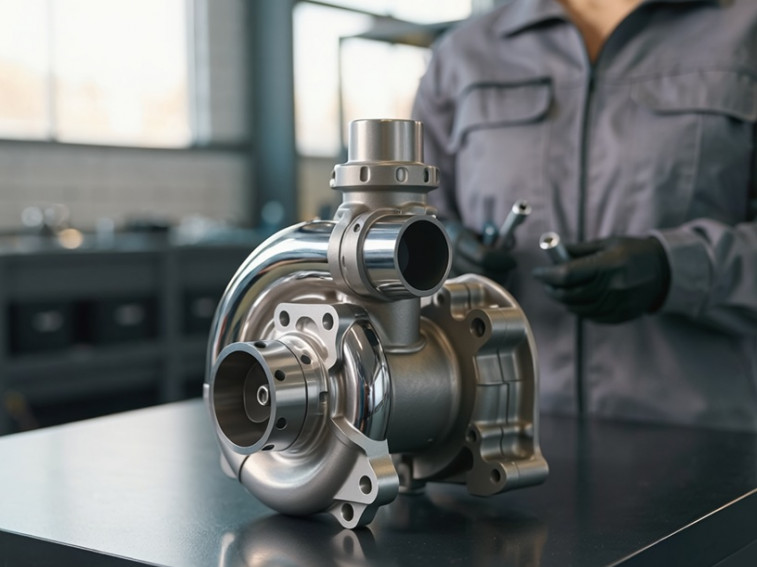
Additional high-value engine components include turbochargers (£150-£600 for performance models), ECUs or Engine Control Units (£100-£400), fuel injectors (£30-£80 per unit), alternators (£40-£120), and starter motors (£35-£90). Diesel particulate filters deserve special mention, despite being failure-prone, working DPFs sell for £200-£500 because replacement costs exceed £1,000. Test them before listing; buyers won't accept returns on non-functional emissions equipment.
Electronic and Infotainment Systems
Modern vehicles contain more computing power than the Apollo lunar module, and these electronics hold substantial value. Sat-nav systems, particularly factory-fitted units from premium brands, sell for £300-£800. A Mercedes COMAND system or BMW iDrive unit with the latest maps commands top prices among most valuable parts to harvest.
Digital instrument clusters from vehicles built after 2015 fetch £150-£400. The shift toward fully digital dashboards means fewer available on the used market, driving up demand. Audi Virtual Cockpit and similar systems sell within 48 hours at asking price.
Reversing cameras and parking sensors bring £40-£150 per set. As these electronic components became standard equipment around 2018, older vehicle owners seek affordable retrofit options. Package the camera with the display unit and wiring harness for maximum value.
Climate control modules, especially automatic dual-zone systems, sell for £80-£200. Single-zone manual systems aren't worth the removal time unless from sought-after models.
Body Panels and Glass
Bonnets, doors, and tailgates from undamaged areas of salvage vehicles deliver consistent returns. A door complete with glass, mirror, handle, and internal mechanisms sells for £150-£400 depending on the vehicle. Premium and luxury brands command higher prices, a Range Rover door fetches £300-£500 versus £150-£250 for a Ford Focus equivalent.
Colour matters significantly. Common shades like black, silver, and white sell fastest. Unusual colours sit in inventory longer and typically require 20-30% discounts to move.
Windscreens with rain sensors and heated elements sell for £100-£250. Side and rear glass brings £30-£80 per piece. Check for chips and cracks before removing, damaged glass has zero value and wastes removal time.
Bumpers seem low-value but painted bumpers in good condition from popular models sell steadily at £80-£180. The key is avoiding scratches during removal. Unpainted bumpers bring £40-£90.
Lighting and Electrical Components
LED and xenon headlights represent some of the highest-value components. A single LED headlight unit from a 2018+ vehicle sells for £250-£800. Full LED rear lights bring £150-£400 per pair. These lighting systems are among the most valuable parts to harvest, particularly from newer vehicles.
Standard halogen lights hold minimal value unless from rare models. Focus removal effort on premium lighting systems, they're often undamaged even in significant front-end collisions.
Wiring looms for specific systems sell to specialists and restoration projects. Engine bay looms fetch £60-£150, while interior looms bring £40-£100. Complete vehicle looms for classic or rare models command £200-£500.
Switches and control stalks sell individually at £15-£40 or in complete sets at £60-£120. Cruise control stalks and multifunction steering wheel controls command premium prices.
Interior Components
Leather seats from premium vehicles deliver strong returns. A full set of heated leather seats with electric adjustment sells for £400-£1,200. Sports seats from performance variants, Recaro buckets from a Focus ST or Nappa leather from a BMW M Sport, fetch even higher prices.
Cloth seats rarely justify removal time unless from rare models or in pristine condition. The exception is classic vehicles where original trim is scarce.
Steering wheels, particularly those with integrated controls, airbags, and paddle shifters, sell for £100-£350. Flat-bottom sports steering wheels command the highest prices. Remove the airbag separately, it's worth £40-£80 as a standalone part.
Complete dashboard assemblies sell for £150-£500 when undamaged. Modern dashboards integrate multiple systems, making replacement expensive at dealerships. Buyers pay well for crack-free dashes from premium brands.
Centre consoles with armrests, storage, and cupholders bring £60-£180. Include all trim pieces and mounting hardware, incomplete assemblies sell for 40% less.
Wheels and Tyres
Alloy wheels consistently rank among the easiest most valuable parts to harvest and sell. Genuine manufacturer wheels in good condition fetch £300-£800 per set of four. Aftermarket wheels bring less unless they're from recognised performance brands like BBS, OZ Racing, or Enkei.
Tyre condition determines pricing more than wheel condition. A set with 5mm+ tread depth commands full price. Below 3mm, expect 30-40% reductions. Check manufacture dates, tyres over six years old, regardless of tread depth, struggle to sell.
Locking wheel nuts seem trivial but missing sets create headaches for buyers. Include them with every wheel sale, it prevents returns and negative feedback.
Space-saver spare wheels and tools sell for £40-£80 as complete kits. Many vehicles now ship without spares, creating aftermarket demand.
Suspension and Brake Components
Coilovers and aftermarket suspension setups from performance vehicles sell for £200-£600. Standard suspension components hold minimal value unless from premium brands. Air suspension struts from Range Rover or Mercedes vehicles fetch £150-£300 per corner when functional.
Brake calipers, particularly from performance models, command strong prices. Brembo-branded calipers sell for £150-£400 per axle set. Standard calipers bring £40-£100 per pair if recently serviced and not seized.
Complete brake disc and pad sets from low-mileage vehicles sell for £80-£200 per axle. Buyers appreciate the convenience of ready-to-fit sets versus purchasing components separately.
Catalytic Converters
Catalytic converters contain platinum, palladium, and rhodium, precious metals worth more per ounce than gold. Values fluctuate with commodity prices, but converters consistently deliver £80-£400 each depending on size and type.
Diesel converters typically contain more precious metal than petrol equivalents. Hybrid vehicles contain particularly valuable converters, a Toyota Prius converter sells for £200-£350.
Remove converters carefully to avoid damaging the ceramic internals. Damaged cats lose 50-70% of their value. Mark each converter with the vehicle make and model, buyers pay more for identified units.
Parts That Waste Time
Not everything in a salvage vehicle deserves removal. Standard exhaust systems beyond the catalytic converter bring £20-£60, barely worth the effort. Non-leather interior trim panels sell slowly at £10-£30 each. Standard springs and shock absorbers from non-premium brands sit in inventory for months.
Damaged parts have zero value regardless of the component. A cracked bumper, scratched headlight lens, or torn leather seat costs money to store and dispose of. Assess condition honestly before investing removal time.
Documentation Multiplies Value
Service history, MOT certificates, and mileage verification increase sale prices by 20-40%. Photograph the odometer before dismantling. Keep the V5C document until you've sold major components, buyers want proof of the donor vehicle's identity and mileage.
Test electrical components before listing. A £300 ECU becomes worthless if non-functional. Simple bench testing takes five minutes and prevents costly returns.
Strategic Component Selection
When identifying most valuable parts to harvest from salvage vehicles, prioritise components with clear market demand. Research completed listings before removing parts, some components that seemed valuable barely move. Premium brand components consistently outperform mass-market equivalents by 40-60%.
Focus your harvesting efforts on vehicles aged 5-12 years from volume manufacturers. Newer vehicles often get repaired rather than salvaged, reducing part availability. Older vehicles see parts demand drop sharply. This sweet spot delivers the best harvesting economics.
Document all unique component identifiers, part numbers, VIN-specific configurations, and OEM markings. Buyers pay premiums for correctly identified components that they know will fit their specific vehicle.
Conclusion
Profitable salvage vehicle processing requires selective dismantling focused on highest-value components. Engines, transmissions, and electronic systems deliver the strongest returns, while premium lighting, leather interiors, and genuine alloy wheels provide consistent secondary income. These most valuable parts to harvest represent the cornerstone of any parts recovery operation.
The vehicles that arrive at UK salvage auctions contain thousands in recoverable value, but only when you prioritise the right parts. Time spent removing low-value components costs more in labour than the eventual sale price justifies.
Document everything, test electrical components before listing, and focus on parts from vehicles less than ten years old with verified low mileage. These practices separate profitable operations from those that struggle to cover overheads. When sourcing salvage vehicles strategically to build your parts inventory, locate salvage inventory through our platform. You can also access car auction listings and expand across different vehicle types through source motorcycle parts, find equipment for harvesting, and explore caravan salvage options.
The salvage industry rewards knowledge and efficiency. Master the identification of valuable components, develop efficient removal processes, and build relationships with buyers seeking specific parts. Done correctly, salvage vehicle processing delivers margins that pure scrap metal sales never approach.
When you're ready to build your parts harvesting business systematically, register your buyer account today and gain immediate access to our diverse salvage inventory. For guidance on evaluating specific vehicles or maximising the value from your purchases, speak with our experts who can provide market-specific insights.