Securing a vehicle from online auctions can lead to significant cost savings, but it demands meticulous due diligence from the buyer. These vehicles require repair and inspection before they can legally return to the road, making the process more complex than purchasing a standard used car. The goal is to equip you with the knowledge to accurately assess damage, budget for necessary repairs, and confidently navigate the re-registration process to make salvage car roadworthy. Successfully acquiring a salvage car means balancing price with the eventual cost and effort of restoration.
Demystifying Salvage Categories: What You Need to Know
A successful auction purchase begins with a clear understanding of the vehicle's specific classification, which details the severity and nature of the damage it has sustained. These categories are established by the Association of British Insurers (ABI) and dictate the path to the vehicle's eventual re-registration. Ignoring this initial information is the fastest way to accrue unexpected costs and complications down the line. Buyers benefit from transparent categorisation, but the responsibility to understand the implications rests with you.
Cat S vs. Cat N: Understanding the Damage
Salvage vehicles are primarily categorised as either Category S (Cat S) or Category N (Cat N). Category S vehicles have sustained structural damage, meaning the core frame or chassis of the car has been affected, requiring realignment or replacement of critical components. It's essential to think of this as damage to the vehicle's bones; repair is possible but requires specialised skills and equipment. In contrast, Category N vehicles have non-structural damage, such as engine faults, water damage, or significant body panel issues that don't compromise the car's structural integrity. Even though Cat N damage is generally simpler to rectify, every salvage vehicle purchase demands a thorough inspection plan and comprehensive salvage vehicle roadworthy checks.
The Non-Negotiable Documentation Check
Before bidding on any damaged vehicle, it is crucial to verify the presence and status of the accompanying documentation. The listing should specify if the V5C logbook is present, which is necessary for the smooth transfer of ownership and eventual re-registration. For vehicles classified as salvage, the V5C document is often marked as 'salvage' or 'not for road use' until repairs are completed. Knowing the documentation status upfront prevents delays when you finally come to sell or use the repaired car.
Pre-Purchase Assessment: Checking the Fundamentals
Since most used vehicles at UK auctions are sold remotely, the burden of determining the full extent of the damage falls on the buyer. You must move beyond the auction photos and adopt the mindset of an engineer performing a detailed virtual inspection. This careful analysis allows you to accurately forecast the costs of repair, which should always be your guide when setting your maximum bid.
Analysing Structural Integrity
If you are considering a Cat S car, the structural assessment is paramount, as the safety of the vehicle depends entirely on this. You must conduct Cat S car roadworthiness checks by scrutinising the images for any signs of chassis distortion, crumpled crumple zones, or misaligned panel gaps that extend into the body structure. Even a small displacement in a structural component can drastically affect the car's handling and passenger safety during any future impact. It's smart practice to research common weak points for the specific make and model you are interested in, preparing yourself for a realistic repair estimate before you bid through buy Cat S salvage vehicles online.
Electrical and Mechanical Fault Finding
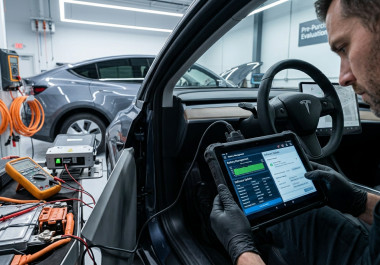
Damage often extends beyond visible bodywork and may include complex electrical and mechanical faults, especially in newer cars. Even a minor bump can trigger airbag deployment, which requires replacing the entire system and clearing fault codes, a costly repair. Water ingress, which sometimes leads to a Cat N rating, can destroy complex wiring looms and electronic control units (ECUs). Pay close attention to descriptions detailing engine bay damage or interior dampness when reviewing salvage vehicle auctions requiring roadworthy certification, as these are indicators of potentially expensive hidden problems.
Your Path to Re-Registration and Roadworthiness
The process of returning a salvage vehicle to the road requires more than just fixing the damage; it involves official verification to confirm it meets UK safety standards. This verification step is a legal requirement designed to protect all road users and requires the documentation of all repairs made. Failing to complete these steps correctly means the car remains legally unroadworthy.
Professional Inspection Requirements
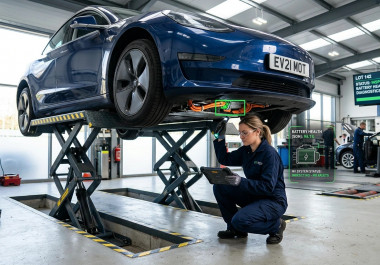
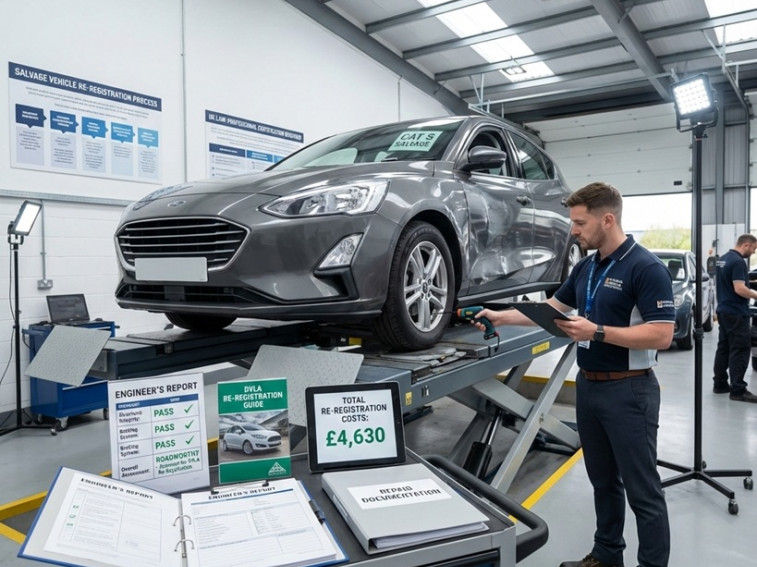
For any vehicle that has been officially recorded as salvage, professional oversight is necessary before the DVLA will issue a new V5C or amend the existing one. You need to obtain an engineer's report from a suitably qualified motor vehicle assessor or specialist to confirm that the repairs have been completed to the correct standard through platforms like RAW2K. This detailed document confirms the car's structural integrity is sound and that all safety-critical components function as intended. These salvage vehicle roadworthy checks ensure your vehicle is compliant and safe for yourself and others.
The checks performed should cover steering, suspension, braking, and lights, as well as an assessment of the quality of bodywork repairs. This professional sign-off is your absolute guarantee that the car is safe, allowing you to proceed confidently with the final steps of registration. When sourcing vehicles across UK-wide salvage auction coverage, independent professional inspectors can coordinate assessments efficiently at multiple locations.
Budgeting for Compliance and Repair Costs
As an astute buyer, your final cost calculation must include both the auction price and all associated repair and compliance costs.
Key costs to factor in:
-
Parts and Labour: The direct cost of fixing the damage (e.g., body panels, engine components)
-
Engineer's Report: The fee for the professional safety inspection and documentation
-
DVLA Fees: Any charges for amending or issuing a new V5C document
-
MOT: The cost of the final Ministry of Transport test, which must be passed before the car can be taxed and insured
-
Salvage Car Re-Registration Costs: Including any admin fees and professional inspection charges
By adding these items to your maximum bid, you maintain a realistic budget that ensures the vehicle remains a financially sound purchase. Remember that even the smallest project can quickly exceed budget if you don't account for these mandatory compliance steps relating to salvage car re-registration.
Don't let the technicalities of salvage vehicle classification deter you from finding fantastic value. Start applying these strategies today and browse the latest listings to make a salvage car roadworthy. For questions about the auction platform or your account, contact support. Join today to find your next great deal with complete confidence in the re-registration process.