The opportunity to acquire vehicles from official sources, such as police or customs, holds immense appeal for both private buyers and professional dealers. These seized vehicles often present a varied stock profile, ranging from everyday road cars to high-performance or unique imports.
However, the process to buy police-seized vehicles safely differs significantly from purchasing standard used or even salvage lots. A successful purchase depends on understanding the vehicle's origin, verifying its documentation, and implementing a careful, disciplined bidding strategy when buying police-seized cars.
This guide ensures you navigate these specialist auctions with confidence and security, covering everything from legal documentation to bidding strategies.
Decoding Seized Stock: Sources and Condition
Police and government auctions are fundamentally distinct because the vehicles enter the market not due to damage or end-of-life, but via legal forfeiture. This creates a unique inventory. It also means the vehicle's maintenance history is often less traceable than a typical used car.
Knowing where the stock originates and understanding the potential state of the vehicle is your first step toward success when you buy police-seized vehicles safely.
Origins of Seized Stock
Vehicles come into auction through various official channels, including police forces, customs, and other governmental agencies. The primary reason for sale is legal disposal following seizure due to unpaid duties, involvement in criminal activity, or abandonment.
The selling authority's objective is simply to liquidate assets efficiently. This diverse origin means the stock can include anything from confiscated family saloons to high-value sports cars.
Every vehicle is sold legally on behalf of the authority, providing a clear path to ownership once the auction process is complete. Your focus should always remain on the physical condition and the accompanying paperwork.
Common Seizure Scenarios
Understanding why vehicles are seized helps anticipate their condition. Customs seizures often involve imported vehicles where duty wasn't paid, typically high-value European or Japanese imports. These cars may be relatively new and well-maintained, seized shortly after arrival in the UK.
Police seizures include vehicles used in criminal activity, though the vehicle itself may be entirely innocent. A car used unknowingly by a criminal remains mechanically sound, just requiring legal clearance. Seized uninsured vehicles represent another category—often driven illegally but mechanically functional.
Abandoned vehicles vary wildly in condition. Some are simply unwanted cars left on private property, potentially with minor faults. Others have been sitting outdoors for months or years, suffering weather damage, flat tyres, and possible vandalism.
Finance company repossessions occur when lease agreements or hire purchase contracts default. These vehicles typically receive regular maintenance until the final payments lapse, making them attractive prospects despite their seized status.
The Condition Spectrum: From Pristine to Worn
Unlike Category S or Category N salvage cars, seized vehicles don't follow uniform condition markers. Some vehicles may have been meticulously maintained before seizure, whilst others might show signs of neglect or wear related to their circumstances.
You might find a vehicle that's essentially pristine, seized from a tax evader who maintained it perfectly. Alternatively, you might encounter one that's been sitting outside for many months, accumulating rust and weather damage.
It's crucial to treat every seized listing as a complete unknown regarding mechanical health. The description will detail the operational status, but the long-term history is often sparse. Therefore, detailed remote inspection of the photographs and any provided video is paramount for judging the true condition of the vehicle.
Seized vehicles typically arrive at auction "as seen," with minimal pre-sale preparation. Unlike ex-fleet vehicles that undergo systematic decommissioning, seized stock may still contain personal items, aftermarket modifications, or even evidence of the circumstances leading to seizure.
Due Diligence: Documentation and Inspection
Success when acquiring seized stock isn't about luck. It's about diligent research and adherence to the rules for buying seized cars. Your pre-auction work must focus on verifying the vehicle's legal status and ensuring you've calculated the total cost accurately.
This due diligence eliminates risk and protects your investment. Compare seized vehicle values across categories to understand how police-seized stock pricing differs from standard salvage.
Understanding Vehicle Documentation
The most common concern when buying police-seized cars is the availability and transferability of documentation, particularly the V5C registration document. Whilst auction platforms strive to provide as much documentation as possible, seized vehicles sometimes come with incomplete paperwork.
The auction catalogue will specify the document status for each lot. If the V5C is absent, you must factor in the cost and time required to apply to the DVLA for a replacement. The DVLA replacement process takes 4-6 weeks and costs £25.
Always confirm that you're comfortable managing any required paperwork before placing a bid when you buy police-seized vehicles safely. Some seized vehicles may have outstanding finance, though reputable auction platforms verify this before listing.
Conducting a Thorough Remote Inspection
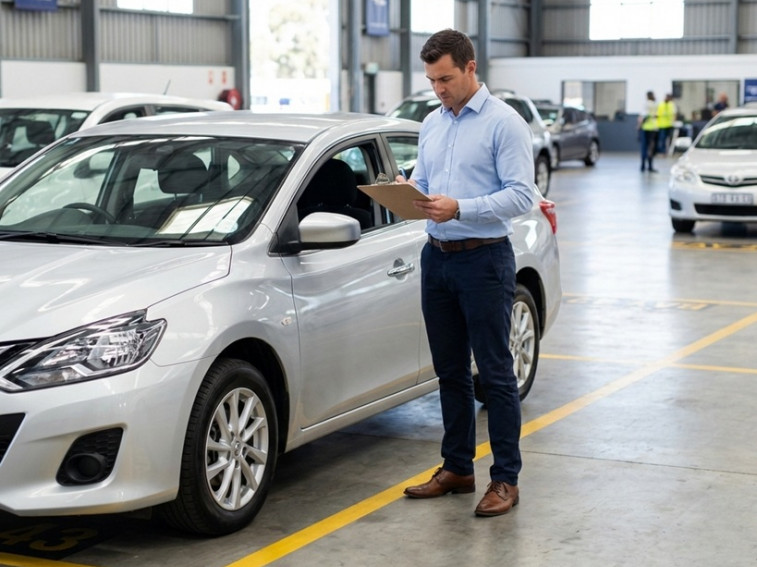
Since physical viewings are rarely possible for these lots, you must use the provided digital assets as your only inspection tool. Scrutinise high-resolution images for body damage, interior wear, and tyre condition.
Look closely at the odometer reading, and check under the bonnet if a picture is available. Pay particular attention to warning lights on the dashboard—these often indicate issues requiring immediate attention.
Key inspection points for seized vehicles:
Exterior Condition: Check for accident damage, rust spots, missing trim pieces, or evidence of poor repairs. Seized vehicles sometimes have aftermarket body kits or modifications that may not meet UK regulations.
Interior State: Look for worn seats, damaged dashboard components, or signs of water ingress. Seized vehicles stored outdoors often develop mould or moisture damage in carpets and upholstery.
Tyre Condition: Flat spots from extended sitting, sidewall cracks from weather exposure, or severely worn tread all indicate immediate replacement costs. Budget £400-800 for a full set of mid-range tyres.
Service Indicators: If dashboard photos show service warnings, assume the vehicle needs immediate maintenance. Seized vehicles often miss scheduled services during their impoundment period.
Modifications: Aftermarket exhausts, lowered suspension, or engine modifications may affect insurance costs and roadworthiness. Some modifications violate Construction and Use Regulations, requiring reversal before legal road use.
For example, a dealer who purchased an unexamined seized luxury car noticed in the images a small warning light on the dash. This turned out to indicate a serious electronic fault. Had he not calculated the estimated repair cost, his investment would have been significantly jeopardised.
A systematic approach to the images helps reveal flaws that aren't explicitly stated in the description. For vehicles beyond economic repair, arranging scrap collection ensures proper disposal and recovery of any salvageable components.
The Auction Advantage and Bidding Rules
A disciplined bidding strategy is vital in the competitive atmosphere of online auctions. Given the unique nature and often unknown history of seized stock, you must set your budget based on the worst-case scenario.
Emotional bidding will quickly erode any potential profit or saving you hoped to achieve. Following the rules for buying seized cars ensures you maintain profitability whilst managing risk effectively.
Calculating the True Final Cost
Your maximum bid should be determined by adding all potential costs to the hammer price. Remember to include the auction fees, the VAT, and the Buyer's Premium specific to the lot. These can significantly inflate the final expenditure.
Always review the full cost breakdown before you start bidding. Furthermore, you must budget for required post-sale costs, such as immediate maintenance, new tyres, or even an MOT.
Complete cost calculation example:
Hammer price: £3,000 Buyer's premium (10% + VAT): £360 Collection/transport: £150 New tyres: £500 MOT test: £54.85 Minor repairs: £400 Total investment: £4,464.85
If the repaired market value is £6,500, your profit margin is £2,035.15 before considering your time. This 45% margin provides adequate buffer for unexpected issues.
These financial considerations are especially important when navigating the rules for buying seized cars, as you want a clear pathway to profitability or use. Never pay more than your calculated maximum bid.
Understanding Reserve Prices
Many seized vehicle auctions operate without reserves, meaning the highest bid wins regardless of price. This creates opportunities for exceptional value but also requires disciplined bidding to avoid overpaying in competitive situations.
Some high-value seized vehicles may have modest reserves set by the selling authority to ensure asset recovery meets minimum thresholds. Reserve prices are typically disclosed in the auction terms, allowing you to adjust your bidding strategy accordingly.
Practical Bidding Tips for Success
In the fast-paced online environment, timing and technique are critical. A good strategy involves observing the bidding patterns of other buyers before committing yourself. Don't be drawn into an early bidding war that drives the price unnecessarily high.
Observe and Learn: Watch a few similar auctions to understand typical final prices and how quickly the bids escalate. Seized vehicles of the same make and model often achieve similar prices across multiple auctions.
Use the Sniper Technique: Placing your maximum bid in the final seconds of the auction can prevent others from reacting and surpassing your limit. This technique works particularly well for seized vehicles where emotional attachment is lower than salvage restoration projects.
Remain Impersonal: Treat the transaction purely as a business decision based on value, not on the excitement of securing a potentially unique car. The story behind a seizure is irrelevant to its mechanical value.
Track Comparable Sales: Monitor completed auctions for similar vehicles to establish realistic market values. This data informs your maximum bid calculations and prevents overpaying based on speculation.
For additional auction opportunities across different vehicle types, explore motorcycle auctions which also frequently feature seized bikes from police operations.
Finalising the Deal: Payment and Collection
Winning the auction is only the first step. The swift and correct management of payment and collection is next. Transparent procedures for settling the transaction efficiently ensure a smooth transfer of legal ownership from the government authority to you.
Adhering to Payment Deadlines
Successful bidders are typically required to make payment within 24 to 48 hours of the auction concluding. Timely payment is non-negotiable. Delays can lead to financial penalties or, in the worst case, the cancellation of the sale.
Have your funds ready and accessible before you place a single bid. Payment methods usually include bank transfer (most common), debit card for smaller amounts, or occasionally cheque with extended clearance periods.
If any element of the payment process is unclear, or you need assistance with an invoice, prompt communication can prevent costly issues when buying police-seized cars. Don't hesitate to clarify payment requirements before bidding.
Safe and Legal Vehicle Collection
Once your payment has cleared, you'll need to arrange the collection of the seized vehicle from the designated centre. Since the vehicles' conditions are varied, you must assume it is not roadworthy.
Always plan to collect the vehicle using a recovery truck or trailer. Driving seized vehicles away is rarely permitted even if they appear operational, as insurance, MOT, and tax status may be unclear or expired.
Always bring the required proof of purchase and identification to the collection point to verify your identity. Acceptable ID includes driving licence with photo, passport, or national identity card. The auction confirmation email serves as proof of purchase.
Collection centres may have restricted operating hours, typically weekday business hours only. Plan your collection logistics accordingly to avoid additional storage fees for delayed pickups.
Sourcing Stock Regionally
National network coverage ensures that seized vehicles are made available to buyers across the entire UK. This broad regional availability significantly helps professional buyers who rely on location to optimise their transport logistics.
Searching geographically allows you to source stock that is conveniently close to your business or home. You'll find listings from police forces across the UK, meaning there are regular opportunities near you.
For dealers targeting specific regional markets, commercial vehicle options sometimes include seized vans and light commercial vehicles from police and customs operations.
Regional Value Variations
Seized vehicle values can vary by region based on local demand. Metropolitan police forces often seize higher-value vehicles compared to rural areas, but competition from London-based dealers drives prices higher.
Regional auctions in Scotland, Wales, or Northern England may offer better value due to reduced buyer competition, though transport costs increase for distant collections. Calculate the transport cost savings against potential price differences when deciding which regional auctions to target.
Taking Your Next Step in Auction Buying
The process to buy police-seized vehicles safely can be highly profitable, provided you approach it with a clear strategy and a deep respect for the rules for buying seized cars. By thoroughly inspecting the available information, setting a disciplined budget, and quickly arranging payment and collection, you secure a competitive advantage.
Understanding the rules for buying seized cars is essential before committing to this specialist auction category. By approaching buying police-seized cars with thorough documentation checks and realistic repair budgets, you can secure exceptional value on vehicles that would otherwise be priced beyond reach.
Ready to source vehicles with verified legal status and clear ownership documentation? Start bidding on police-seized inventory where documentation status is specified upfront, ensuring you know exactly what paperwork to expect before committing. Professional buyers prioritize auctions with transparent legal clearance processes.
RAW2K Vehicle Auctions provides access to seized vehicle listings from official sources across the United Kingdom, ensuring transparent transactions and legal ownership transfers.