A salvage car's value depends on more than just the damage. How bent the chassis is, whether the airbags deployed, the cost to get it roadworthy again all matter. But here's what catches people out: optional extras can swing a salvage vehicle's auction price by hundreds, sometimes thousands of pounds. Bidders often compete aggressively over a Category S BMW with heated seats and a premium sound system whilst a nearly identical model without those extras barely scrapes reserve.
The truth is, salvage doesn't mean worthless. When a vehicle gets written off by an insurer, it still carries value in its parts, its potential for repair, or its appeal to someone who knows what they're doing. Optional extras, those factory-fitted upgrades that made the original owner tick the box on the order form, don't vanish just because the car's been in a scrape. They're still there, still desirable, and still worth money to the right buyer.
Understanding how these extras affect salvage car values isn't just useful for buyers hunting bargains at RAW2K. If you're looking to auction your car after an incident, knowing what adds value can mean the difference between a disappointing sale and a result that actually reflects what you've got.
Why Optional Extras Still Matter After Write-Off
When an insurance company declares a vehicle a total loss, they're making a calculation about repair costs versus market value. But that calculation doesn't strip away the equipment bolted to the car. A leather interior doesn't become cloth because the bumper's crumpled. Sat nav doesn't stop working because there's side panel damage.
Here's the reality: salvage buyers aren't all planning to repair and drive these vehicles. Many are breaking them for parts. Others are specialists who can fix Category S or Category N damage economically. Some are even exporting to markets where UK write-off categories don't apply. To all these buyers, optional extras represent additional value they can extract or use.
Think of it like buying a damaged house with a new kitchen. The roof might need work, but that kitchen still has value. You can use it, sell the units separately, or market the whole property differently because of it. The same principle applies here.
The extras that move the needle most are the ones with strong resale value or broad appeal. Premium audio systems, advanced driver assistance features, leather upholstery, upgraded wheels, panoramic sunroofs, these aren't cheap to retrofit, and they're in demand from repair shops, parts dealers, and DIY enthusiasts. Conducting proper optional extras valuation helps buyers determine which vehicles offer genuine opportunities beyond basic salvage worth.
The Extras That Command Premium Prices
Not all optional equipment is created equal when it comes to salvage car values. Some features barely register. Others can add 15-20% to what a vehicle fetches at auction.
Leather and Premium Upholstery
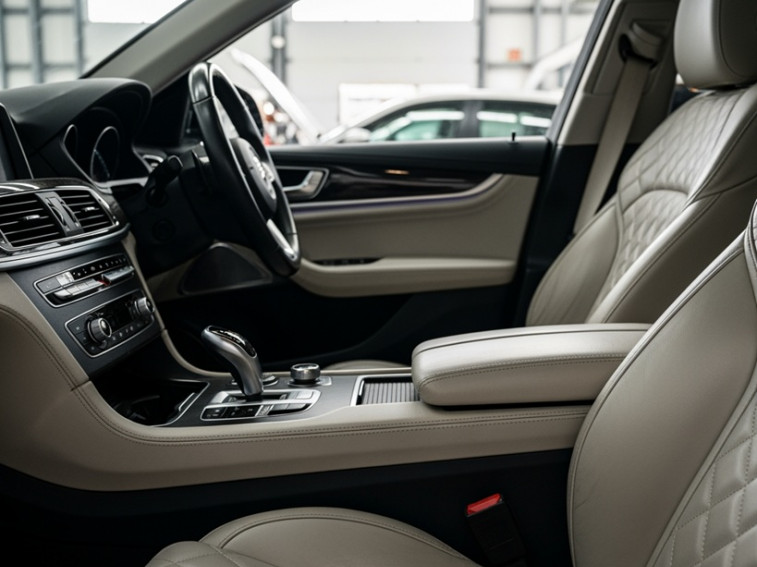
Leather and premium upholstery tops the list. A full leather interior in good condition can be worth £500-£1,500 as a parts package, depending on the vehicle. If the damage is front-end and the seats are pristine, buyers know they've got a goldmine. Sports seats, heated seats, and ventilated seats add even more. People often bid aggressively on a Category S Audi just to harvest the Nappa leather seats for their own project car.
Infotainment and Navigation Systems
Infotainment and navigation systems hold value because they're expensive to buy new and relatively easy to remove. A factory-fitted sat nav unit from a premium brand can fetch £300-£800 on the aftermarket. Upgraded sound systems, especially branded ones like Harman Kardon, Bose, or Meridian, are worth serious money to enthusiasts. These systems aren't just speakers, they're amplifiers, subwoofers, and processors that cost thousands when new.
Alloy Wheels and Performance Tyres
Alloy wheels and tyres are another significant consideration. If the damage didn't affect the wheels, and you've got a set of 18-inch or larger alloys with decent rubber, that's an easy few hundred pounds of value. Performance tyres in good condition sweeten the deal further. Professional accessory appraisal often focuses on these components because they're easy to verify and value accurately.
Advanced Driver Assistance Systems
Advanced driver assistance systems (ADAS) are increasingly valuable. Adaptive cruise control, lane-keep assist, blind-spot monitoring, parking sensors, and 360-degree cameras all contain sensors, cameras, and control modules that are expensive to replace. A Category N vehicle with these systems intact can attract buyers specifically looking for those components.
Performance Upgrades
Performance upgrades on sports models matter enormously. Upgraded brakes, sport suspension, limited-slip differentials, performance exhausts, these factory options can add £1,000-£3,000 to salvage car values on the right car. A Golf R with the optional Akrapovič exhaust is worth considerably more in salvage than a standard one. Anyone conducting optional extras valuation on performance vehicles must account for these mechanical upgrades separately from cosmetic features.
Sunroofs and Panoramic Roofs
Sunroofs and panoramic roofs add value if they're undamaged. These are complex, expensive assemblies that cost £1,500-£3,000 to replace. A working panoramic roof can be removed and sold, or it makes the repaired car more marketable.
What Doesn't Add Much Value
Some extras just don't move the needle in salvage auctions. Knowing what matters less helps you focus on the features that actually affect what you'll pay or receive.
Paint protection and cosmetic treatments are worthless once a car's written off. Ceramic coatings, paint sealants, fabric protection add nothing to salvage car values even when the car was pristine. After an accident, they're completely irrelevant.
Extended warranties and service packages obviously don't transfer to salvage vehicles. You might have paid £2,000 for an extended warranty, but that's gone the moment the insurer writes the car off.
Minor convenience features like puddle lights, ambient lighting, or upgraded floor mats barely register. They're nice to have, but they don't command premium prices at auction. Buyers are focused on the big-ticket items that represent genuine resale value through thorough accessory appraisal processes.
Software upgrades without hardware components don't add much either. If the manufacturer charged you £500 to unlock a feature via software, that doesn't translate to salvage car values the same way a physical component does.
How Damage Location Changes Everything
Here's where it gets interesting. The relationship between optional extras and salvage car values isn't static, it depends entirely on where the damage is.
Front-end collision damage typically leaves rear seats, boot equipment, and rear lighting untouched. If you've got a Category S vehicle with front impact damage but pristine leather rear seats, a premium tailgate, and undamaged rear sensors, those extras hold full value. The parts are completely usable.
Conversely, if the damage is rear-end, those expensive LED tail lights you paid £800 for are probably scrap. But the upgraded front seats, steering wheel, and dashboard equipment are fine.
Side impact damage is trickier. It might write off the seats on one side whilst leaving the other side perfect. A nearside impact that destroys the driver's seat but leaves the passenger seat untouched still gives buyers half the value of that leather interior option.
Flood damage is the great equaliser as it tends to affect everything. Water damage can destroy electronics, upholstery, and mechanical components. Even high-value extras lose most of their worth if they've been submerged. A £2,000 infotainment system that's been underwater isn't worth £200.
Fire damage similarly devastates value across the board. Even if some mechanical components survive, the heat and smoke damage to interior extras makes them largely unsalvageable.
This is why Category N (non-structural damage) vehicles with expensive extras can command surprisingly strong prices. If it's purely cosmetic or electrical damage that caused the write-off, and the optional equipment is undamaged, buyers can see clear value. You'll find strong bidding on featured auctions when a Category N car has desirable factory options intact.
The Premium Brand Effect
Optional extras on luxury and premium brands carry disproportionate value in salvage car markets. The same feature that adds £200 to a Ford's salvage price might add £800 to a Mercedes.
Why? Because replacement parts for premium brands are expensive, and the second-hand market is active. Someone repairing a damaged Range Rover will pay serious money for genuine Land Rover leather seats in the right colour. The aftermarket for BMW M Sport parts is huge with wheels, body kits, interior trim, and badges all fetching strong prices.
There was a case involving two similar Category S vehicles at auction, both had front-end damage, both had full leather interiors. One was a Vauxhall Insignia, the other a BMW 5 Series. The Vauxhall's leather interior added maybe £300 to its salvage price. The BMW's added closer to £1,200. Same basic feature, but the BMW parts had a ready market of enthusiasts and repairers willing to pay.
This premium brand advantage extends to technology extras too. A factory sat nav in a Mercedes commands more than the same system in a VW Golf. Specialist buyers know that Mercedes infotainment parts have strong resale value because the cars they go into are worth more money. Accurate optional extras valuation must therefore account for brand premium alongside the component itself.
Documenting Extras for Maximum Value
If you're selling a salvage vehicle with valuable optional equipment, proving what's fitted matters enormously. Buyers won't bid confidently unless they're certain the extras are genuine factory options.
The V5C logbook includes some specification details, but it's limited. Having the original build sheet or being able to reference the VIN to show factory options gives buyers confidence. They know they're bidding on genuine equipment, not aftermarket additions that might be lower quality.
For newer vehicles, online VIN decoders can reveal the factory specification. Buyers use these to verify claims about optional extras. If you're selling and can provide this information upfront, you'll likely see stronger bidding when you browse car auctions for comparable vehicles.
Photographs matter too. Close-up shots of option badges, interior features, wheel markings, and equipment labels help buyers assess condition and authenticity. A photo of the Bose badge on the speaker grille is worth including. A shot of the heated seat controls. The panoramic roof switch. These small details add confidence and support thorough accessory appraisal by potential buyers.
Timing and Market Conditions
The value that optional extras add to salvage vehicles isn't fixed, it fluctuates with market conditions and timing.
Seasonal demand affects certain extras more than others. Convertibles with desirable options sell better in spring when people are thinking about summer driving. Four-wheel-drive vehicles with premium extras command stronger prices heading into winter. It's a small effect, but it's measurable.
Parts availability influences values. When a particular component becomes hard to source new or expensive to buy, salvage examples with that part intact become more valuable. During the recent semiconductor shortage, vehicles with complex infotainment systems and advanced driver assistance systems saw stronger salvage car values because the parts were difficult to obtain otherwise.
Model popularity drives extra values too. When a particular model is in demand, extras for that model become more valuable. The parts market is active, buyers are plentiful, and salvage auctions command premiums. A Golf GTI with options will always sell well because the enthusiast market is huge. Those monitoring motorcycle auctions see similar patterns with popular bike models commanding premiums when desirable extras are fitted.
Age and obsolescence work against extra values over time. A 15-year-old sat nav system isn't worth much because the technology is outdated. But mechanical extras like upgraded suspension or performance brakes hold value longer because they're not technology-dependent.
If you're watching featured vehicle auctions regularly, you'll start to notice these patterns. Certain combinations of vehicle, damage, and extras consistently perform well. Others struggle regardless of the options fitted.
Making Optional Extras Work for You
Whether you're buying salvage to repair, break for parts, or export, understanding extra values helps you bid smarter.
For buyers, the key is knowing which extras are genuinely valuable versus which are just nice marketing terms. "Premium package" could mean anything. Dig into what's actually included. Is it just badges and trim, or does it include mechanical upgrades and electronics worth money?
Calculate the parts value separately from the vehicle value. If the extras alone are worth £2,000 and you can bid £1,500 under market for the salvage vehicle, you've got a buffer. Even if repair costs are higher than expected, you can recoup money from the parts. Conducting systematic accessory appraisal before bidding protects against overpaying.
For sellers, document everything. List every factory option you're aware of. Photograph the evidence. Reference the original specification if you have it. The more confidence you give buyers about what's fitted, the stronger your bids will be.
Consider whether to remove valuable extras before sale. If you've got a Category B vehicle (break for parts only) with £1,500 worth of wheels and tyres, removing them and selling separately might net you more than including them in the salvage auction. But check the terms as some write-offs must be sold complete.
If you're uncertain about value or need guidance on presenting a salvage vehicle with significant optional extras, professional advice can make a substantial difference to the final price. Taking time to register to bid allows you to track multiple auctions and study how similar vehicles with comparable extras perform.
Practical Impact on Auction Results
Here's a concrete example. A few months back, two Category S Audi A4s came through in the same week. Both had similar front-end damage, both were the same age and mileage. One was a base model with cloth seats and basic spec. The other had the S-Line package with full leather, upgraded wheels, sports suspension, LED lights, and the premium sound system.
The base model sold for £3,200. The S-Line sold for £5,800. That's a £2,600 difference driven almost entirely by the optional extras. The damage was comparable, the repair costs would be similar, but the S-Line car had components worth extracting even if the repair went wrong.
That's not unusual. Across vehicle auctions, you'll consistently see this pattern. Extras matter. They matter to parts breakers who can sell the components. They matter to repairers who can market the finished car better. They matter to exporters who can command higher prices in markets where those options are rare.
The effect is most pronounced on vehicles where the extras represented a significant proportion of the original purchase price. A £60,000 Range Rover where £15,000 was options will see those extras hold more salvage car values than a £20,000 Fiesta where £1,000 was options. The absolute value is higher, and the components are more desirable. Proper optional extras valuation recognises these proportional differences.
The Bottom Line
Optional extras don't disappear when a car becomes salvage. They remain valuable, sometimes very valuable, to the right buyer. Understanding which extras matter, how damage location affects their value, and how to present them properly can swing auction results by thousands of pounds.
If you're buying, look beyond the damage to what's fitted. Calculate the parts value independently. Bid based on what you can extract or use, not just what the vehicle might be worth repaired. The extras give you options and downside protection.
If you're selling, document everything. Make it easy for buyers to see what's fitted and verify its condition. The effort you put into presentation directly affects the bids you'll receive. Whether you're selling a car or exploring options to scrap your car, knowing the value of fitted extras ensures you get fair prices.
The salvage market isn't just about damaged vehicles, it's about valuable components, desirable features, and opportunities for people who know what they're looking at. Optional extras are a significant part of that equation. Whether you're browsing auctions today or planning to list your own vehicle, understanding how extras affect salvage car values gives you an edge. It's the difference between seeing a write-off and seeing opportunity. For any questions about how to maximise value from your salvage vehicle, contact us for tailored guidance.