Finding the right project car isn't about stumbling onto a barn find or having a mate who knows a mate. It's about knowing where to look, what to look for, and how to spot the difference between a solid restoration candidate and an expensive mistake wrapped in rust.
After three decades in the motor trade, I've seen enough botched restorations to fill a scrapyard. The common thread? People bought the wrong car to start with. They fell for a pretty badge or a cheap price without asking the hard questions first. Learning to find project cars properly separates successful restorers from those who spend years nursing regrets.
Understanding What Makes A Good Project Car
A proper project car balances three things: your skill level, your budget, and parts availability. Miss one of these, and you'll end up with a rolling shell taking up garage space for the next five years when searching for project cars.
Skill level matters more than enthusiasm. If you've never welded before, don't buy a car that needs floor pans, sills, and chassis rails replaced. Start with something that needs mechanical work and cosmetic attention. You can always build up to the heavy fabrication later when hunting for project cars.
Budget reality hits everyone eventually. That £800 auction car will need another £3,000 minimum before it's roadworthy. Then there's paint, interior, and all the little bits that add up. Double whatever you think it'll cost, then add 20% for the surprises you'll definitely find when restoring project cars.
Parts availability determines whether your restoration takes months or decades. Popular models like classic Minis, MGB GTs, or Ford Escorts have thriving parts suppliers. Obscure French saloons from the 1980s? You'll be scouring European breakers yards and paying international shipping for a door handle when hunting for project cars.
Where To Find Genuine Project Cars
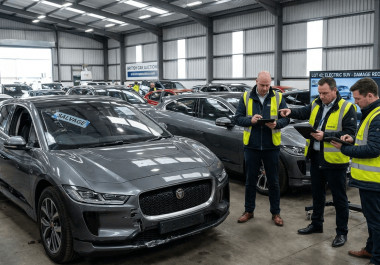
Online vehicle auctions have transformed how hobbyists find project cars. RAW2K specialises in salvage and recovery vehicles that often make ideal restoration candidates. You'll find everything from insurance write-offs with minor damage to non-runners that simply need mechanical attention.
The advantage of online car auctions is transparency. You see photos, damage reports, and vehicle history before bidding. Compare that to buying from a classified ad where you're relying on someone's vague description and three blurry photos taken in poor light when searching for project cars.
Classic car shows and autojumbles still produce results, but you're competing with dealers who'll pay more than sensible money. The real finds at shows are the parts cars - the rough examples people are breaking for spares. Sometimes these cars are more complete than advertised and worth saving when you're looking for project cars.
Social media groups dedicated to specific marques connect you with owners who know about cars before they hit the open market. Join the right forums, contribute genuinely, and you'll hear about project cars coming up for sale before they're advertised publicly.
Evaluating Auction Listings Properly
Reading between the lines on auction listings separates successful restorers from those who buy expensive problems. When you're browsing vehicle auctions, look beyond the headline damage description and assess what you're really getting.
Category ratings tell you how insurance companies classified the damage. Category N means non-structural damage - think bumpers, lights, panels. Category S involves structural damage to the chassis or body shell. For project cars, Category S isn't automatically a deal-breaker if you've got welding skills and the damage is clearly documented.
Photo quality and quantity reveal seller honesty. Ten clear photos showing damage, underside, and problem areas? That's a seller being straight with you. Three photos of just the good side? They're hiding something. Always assume the worst on anything you can't see clearly when evaluating project cars.
Service history and documentation matter even for project cars. A car with MOT history, service records, and original handbooks is worth more than an identical model with no paperwork. That history tells you how the car was maintained and hints at what problems you'll face with project cars.
I once bought a Triumph Stag from an auction that showed "head gasket failure" as the main issue. The photos revealed clean oil, no mayonnaise on the cap, and the engine bay looked cared for. Turned out the owner had simply overheated it once and panicked. New thermostat, coolant flush, and it ran perfectly. Cost me £1,200 and three hours work. Sold it eighteen months later for £4,800 after a cosmetic refresh. That's the kind of opportunity you find when you know how to evaluate project cars.
Timing Your Purchase Strategically
Seasonal patterns affect auction prices more than most buyers realise when searching for project cars. January through March sees fewer bidders because people are recovering from Christmas spending. You'll face less competition and lower final prices during these months for project cars.
Summer months bring higher prices as people have holiday money to spend and better weather for working on cars. Classic car values also peak in spring when show season starts. If you're buying a restoration project, winter buying makes financial sense for project cars.
Day of the week influences bidding behaviour too. Vehicle auctions ending on weekday afternoons attract fewer casual bidders than weekend auctions. Serious restorers know this and target midweek listings for better value when hunting for project cars.
End-of-month auctions sometimes produce bargains as sellers need to clear stock before new inventory arrives. This applies more to dealer listings than private sellers, but it's worth tracking patterns on your preferred auction platform for project cars.
Assessing Rust And Structural Integrity
Rust kills more restoration projects than any other single factor. You need to distinguish between surface corrosion and structural rot that'll cost thousands to repair properly in your project cars.
Surface rust appears on panels, door edges, and chrome trim. It looks worse than it is. Wire brush, rust converter, and paint usually sorts it. This type of rust is cosmetic and shouldn't scare you off an otherwise solid car when evaluating project cars.
Structural rust attacks chassis rails, subframes, suspension mounting points, and floor pans. This is the expensive stuff requiring cutting out sections and welding in new metal. Check these areas in every photo: sills, inner wings, boot floor, and around suspension mounts when assessing project cars.
Look for bubbling paint which indicates rust pushing through from behind. Once paint bubbles, there's usually more damage than you can see. Budget for stripping that area back completely and repairing properly when restoring project cars.
The MOT history available through government databases reveals patterns. If a car failed three consecutive MOTs for corrosion in the same area, that problem wasn't fixed properly. You'll be dealing with it again when restoring project cars.
Mechanical Condition Versus Body Condition
Here's something most hobby restorers get wrong: they prioritise body condition over mechanical state. That's backwards for most project cars.
Mechanical repairs follow logical processes. Engines, gearboxes, and suspension components either work or they don't. Parts are available, procedures are documented, and you can learn the skills from manuals and videos. A mechanically sound car with tatty bodywork is often the smarter buy when searching for project cars.
Bodywork and paint require specialist skills, expensive equipment, and proper facilities. A home restorer can rebuild an engine on their kitchen table. They can't spray a car properly in their garage without thousands in extraction equipment and a paint booth when working on project cars.
When viewing all cars available, prioritise straight panels and solid structure over running condition. A non-runner with good bones beats a driving car with rust in critical areas as your project car.
Setting Realistic Restoration Timelines
Every restorer underestimates how long their project will take. Double your initial estimate, then add six months. You'll probably still finish late when restoring project cars.
Simple cosmetic refreshes - new paint, interior retrim, chrome replacement - take three to six months working weekends. That assumes you're not doing the paint yourself and the mechanical side is sound for your project cars.
Full mechanical rebuilds need six months to a year. That's stripping, inspecting, replacing worn parts, reassembly, and sorting the inevitable issues that appear during testing. Factor in waiting for parts, especially if you're dealing with older or rarer project cars.
Complete ground-up restorations are multi-year commitments. You're looking at 18 months minimum, more likely two to three years. Anyone who tells you they'll do a full project car restoration in under a year is either lying or cutting corners you'll regret later.
Budgeting Beyond The Purchase Price
The auction hammer price is just your entry fee. The real money comes after when you're restoring project cars.
Transportation costs vary wildly depending on distance and vehicle condition. A non-runner needs recovery transport at £2-3 per mile typically. Factor this in before bidding on cars located far from your workshop for your project cars.
Storage and insurance whilst you're working on the car adds up over months or years. You'll need somewhere dry to work, which might mean renting garage space if you don't have suitable facilities at home during your project cars restoration.
Parts sourcing can devour budgets if you're not careful. Reproduction parts vary wildly in quality. Sometimes genuine used components salvaged from other cars cost less and last longer than cheap reproductions when restoring project cars.
Paint and materials represent a surprisingly large cost category. Professional paint supplies, primer, sealers, and topcoats add up quickly. Add labour if you're paying a specialist to spray your project cars.
Which Salvage Categories Work Best For Project Cars
Category A vehicles should never appear in your search - they're crushed completely. Category B cars can only be broken for parts. Skip these entirely when shopping for project cars.
Category N (non-structural damage) often makes excellent project cars. Insurance wrote them off for economic reasons, not safety ones. You'll find cars with electrical issues, cosmetic damage, or minor faults that are perfectly safe and structurally sound for your project cars.
Category S (structural damage) requires more scrutiny but can still work if you've got welding experience and the damage is clearly documented. Younger vehicles with straightforward repairs often make excellent project cars. Older cars with extensive frame damage usually aren't worth it.
Classic and vintage vehicles in any category can work brilliantly. Age brings unique challenges, but the restoration community actively supports classic project cars. Parts availability for popular classics remains strong decades after production ended.
Commercial vehicles including classic vans and light trucks attract restorers who want something different. Van auctions often feature older models perfect for conversion projects or vintage commercial vehicle restoration as alternative project cars.
Documentation And Legal Considerations
Paperwork matters more than you'd think, especially when buying salvage or insurance write-offs for your project cars.
V5C registration documents must be present and correct. If a car comes without its V5, you'll need to apply for a replacement, which delays getting the vehicle registered in your name and adds complications if you want to sell later on your project cars.
Insurance write-off markers stay with the vehicle permanently. Category S and N vehicles must be declared when you eventually sell or insure the car. This affects value, but it shouldn't stop you buying if the price reflects the category status for your project cars.
MOT history accessed through the government's online checker reveals previous failures, advisory notices, and mileage records. This history helps verify the seller's claims and highlights recurring problems you'll need to address on your project cars.
Proof of ownership becomes crucial with older project cars that might have passed through several hands. Make sure the seller's name matches the V5C, or get a clear explanation and documentation if they're selling on behalf of someone else.
Building Your Support Network
Successful restoration projects rely on knowledge and help from others who've done it before when undertaking project cars.
Marque-specific clubs provide technical advice, parts sources, and often have members breaking cars for spares. Annual membership typically costs £30-50 and pays for itself with one good parts lead or technical solution for your project cars.
Online forums dedicated to your specific model contain decades of accumulated knowledge. Search before asking questions - your problem has probably been solved before on project cars forums. When you do ask, be specific about symptoms and what you've already tried.
Local restoration groups meet regularly and often have members with specific skills who'll help with tricky jobs. Finding someone with a proper paint booth or welding equipment who'll let you use it (or do the work for reasonable money) is invaluable for project cars.
Specialist suppliers for your marque will become your regular contacts. Build relationships with parts suppliers who know their stuff - they'll steer you away from poor quality reproduction parts and towards solutions that actually work for project cars.
When To Walk Away From A Project
Knowing which cars to avoid is as important as knowing what to buy. Some project cars aren't worth starting.
Extensive structural damage requiring new chassis sections, inner wings, or bulkhead replacement typically costs more than the finished car will be worth. Unless you're restoring something genuinely rare or valuable, walk away from cars with serious structural corrosion in your project cars search.
Missing major components like engines, gearboxes, or complete interior trim make project cars exponentially harder. Sourcing these parts separately costs far more than buying a more complete car initially for your project cars.
Fire damage often means hidden problems throughout the car. Wiring looms are damaged, plastics are melted, and structural integrity is compromised by intense heat. Fire-damaged cars are almost never worth saving unless they're extremely rare as project cars.
Previous bodged repairs indicate you'll be fixing someone else's mistakes before you can start your own restoration. If auction photos show filler, pop rivets, or obviously amateur welding, assume you'll be cutting it all out and starting fresh on your project cars.
Making Your First Bid Confidently
Once you've found a potential project car, bidding strategy determines whether you win at the right price or overpay in the heat of the moment.
Set your maximum bid before the auction based on the car's condition, comparable sales, and your budget. Write it down. Stick to it. Auction fever causes people to bid beyond sensible limits and regret it later when bidding on project cars.
Bid increments early in the auction establish you're serious without revealing your maximum. Don't bid in the last seconds hoping to snipe - online auctions often extend if bids come in near closing time when searching for project cars.
Research comparable sales on the same platform and others. What did similar cars in similar condition actually sell for? Not asking prices - actual hammer prices. This gives you realistic expectations for project cars.
If you don't win, don't panic. Another suitable project will appear. Featured auctions regularly showcase interesting vehicles, and new listings appear daily. Patience beats desperation every time when hunting for project cars.
Starting Your Restoration Journey
You've won the auction and the car's delivered. Now what?
Document everything before you start dismantling anything. Take hundreds of photos from every angle, showing how components fit together. You'll thank yourself six months later when you can't remember how that bracket was oriented on your project cars.
Create a workspace that's organised and weather-proof. You don't need a professional workshop, but you do need somewhere dry with decent lighting and space to lay out parts logically for your project cars.
Start with assessment rather than diving into repairs. Strip the car down enough to see what you're really dealing with. Make lists of parts needed, work required, and skills you'll need to learn or pay for on your project cars.
Join the community around your specific car. Share your project, ask questions, and learn from others' experiences. The restoration journey is more enjoyable when you're connected to people who understand why you're doing it on your project cars.
Conclusion
Finding the perfect project car combines research, patience, and realistic self-assessment. The best restoration candidates aren't always the cheapest or the prettiest - they're the ones that match your skills, budget, and available time.
Online vehicle auctions have democratised access to project cars that were once only available through specialist dealers or word-of-mouth. You can browse hundreds of potential restorations, assess them thoroughly through photos and descriptions, and bid from your kitchen table.
Start with something achievable rather than your dream car. Build your skills on a simpler project first. Learn what you enjoy doing and what you'd rather pay others to handle. Your second restoration will be better than your first, and your third better still as you develop expertise with project cars.
The satisfaction of bringing a neglected car back to life, of solving problems and learning skills, makes the frustrations worthwhile. Choose wisely, plan thoroughly, and you'll create something you're genuinely proud of. And if you need help getting started with project cars, contact the RAW2K team who understand what restorers need from their auction purchases.