Category S write-offs arrive at auction with structural damage already recorded on their history. The valuation process strips away assumptions and focuses on measurable factors that determine what buyers will actually pay.
The starting point isn't what the car was worth before the accident. It's what someone can do with it now.
The Base Calculation Method for Category S Valuation
Auction valuations for Category S write-offs begin with the pre-accident market value, then apply deductions based on damage severity, repair complexity, and market demand for that specific model.
A 2020 BMW 3 Series worth £18,000 in clean condition might enter auction valued at £9,000-£12,000 with structural damage. The range exists because structural damage varies dramatically. A bent rear subframe from a low-speed impact costs £800-£1,200 to repair at an independent garage. A twisted chassis rail requiring specialist jig work costs £3,500-£5,000 before parts.
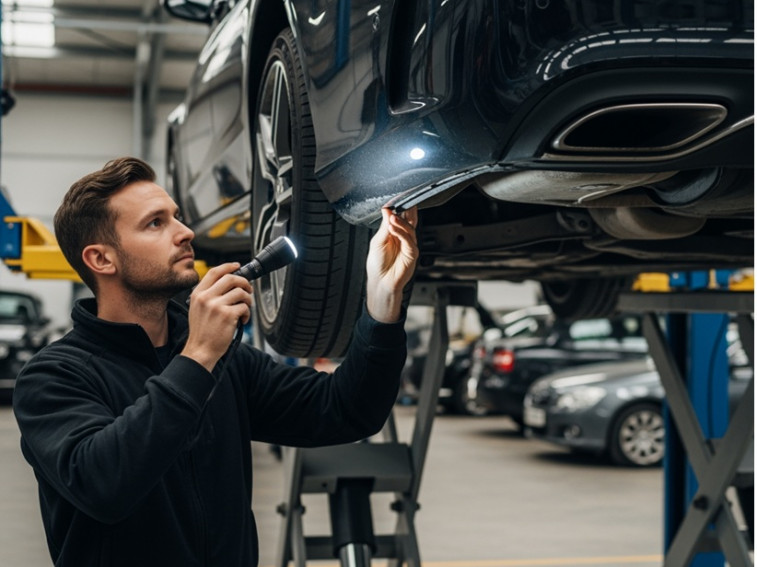
Auction houses employ vehicle assessors who examine each Category S vehicle before listing. They photograph damage, note repair requirements, and estimate costs using industry-standard labour rates and parts pricing. This assessment creates the reserve price - the minimum bid the seller will accept.
The assessment doesn't account for hidden damage. Buyers bid knowing they'll likely find additional issues once repair work begins.
What Actually Drives Category S Auction Prices
Repair cost transparency matters more than the original vehicle value. A £30,000 Mercedes with £8,000 in documented structural repairs will attract serious bidders. The same Mercedes with vague "rear-end damage" descriptions gets lowball bids or none at all.
Detailed damage reports increase final sale prices by 15-25% compared to listings with minimal information. Buyers pay premiums for certainty.
Parts availability creates price floors for popular models. A Category S Ford Fiesta or Volkswagen Golf maintains 55-65% of pre-accident value because parts flood the aftermarket and repair procedures are standardised. Specialist vehicles like Range Rover Sports or Audi RS models drop to 40-50% because parts cost more and fewer garages handle the repairs confidently.
Age and mileage compress valuations differently than in retail markets. A 2019 vehicle with 60,000 miles normally commands a premium over a 2017 model with 80,000 miles. At salvage auctions online, both might sell within £500 of each other if damage severity is similar. The Category S marker already discounted the newer car's age advantage.
Market timing shifts values by 10-15% seasonally. Convertibles and sports cars peak in March-May when buyers prepare for summer. 4x4 vehicles strengthen in September-November before winter. Category S vehicles follow these patterns but with compressed margins - a summer convertible might gain £800 at auction in April versus £200 in the retail market.
How Insurance Engineers Influence Starting Values
Insurance companies determine whether a damaged car becomes Category S before it reaches auction. Their assessment creates the foundation for Category S valuation pricing.
Engineers use software that compares repair costs against pre-accident value. When structural repairs exceed 50-60% of market value, the car gets written off. This threshold varies by insurer - some use 50%, others push to 65% for newer vehicles.
The engineer's repair estimate becomes the auction house's starting reference. If the insurance assessment lists £6,000 in structural repairs for a £12,000 car, auctioneers expect final bids around £4,500-£6,500. The market rarely deviates more than 20% from this calculation.
Engineers sometimes overestimate repair costs. They use main dealer parts pricing and approved repairer labour rates (£80-£120/hour). Independent garages charge £45-£65/hour and source pattern parts at 40-60% of dealer prices. This gap creates profit opportunities for trade buyers who know actual repair costs.
A documented case demonstrates this perfectly: A 2018 Nissan Qashqai written off with £5,200 in estimated repairs (insurance assessment) sold at auction for £7,800. The buyer spent £2,900 on repairs using pattern parts and an independent body shop, then sold the repaired car privately for £13,500. The insurance valuation left £2,600 profit margin that an informed buyer captured.
The Auction Day Reality Check
Reserve prices exist, but 30-40% of Category S vehicles don't meet their reserve on first listing. Sellers either accept the highest bid (typically 5-15% below reserve) or relist the following week.
Bidding patterns reveal how professional buyers value these vehicles. The first bids arrive at 40-45% of pre-accident value regardless of damage. This establishes the floor. Serious bidding starts when someone jumps to 50-55%, signalling they've assessed the damage and see viable profit margins.
Physical auction attendance changes outcomes. Online-only Category S listings sell for 8-12% less than auctions where buyers inspect vehicles in person. Seeing the actual damage - touching panels, checking gaps, examining welds - gives buyers confidence to bid higher.
Bidding increments slow as prices approach 60% of pre-accident value. Below that threshold, bids jump £200-£500. Above it, increments drop to £50-£100 as margins tighten. The final £300-£500 of bidding often takes longer than the first £3,000.
Professional buyers dominate Category S auctions. Private buyers account for less than 15% of successful bids. The professionals know repair costs precisely and calculate margins in real-time during bidding. They stop at predetermined limits based on projected repair costs plus desired profit.
Regional Price Variations Across UK Auctions
A Category S BMW 5 Series sells for different amounts depending on auction location. The same car might fetch £8,200 at a Midlands auction and £9,100 in the South East.
London and South East auctions command 8-15% premiums for executive and premium brands. Higher population density means more potential buyers for repaired vehicles, which flows back to auction prices. Repair shops in these regions also pay more for stock because retail customers expect premium marques.
Northern and Scottish auctions see stronger demand for practical vehicles - hatchbacks, small SUVs, and diesel estates. A Category S Ford Focus or Vauxhall Astra achieves better prices in Manchester or Glasgow than in Surrey. Buyer demographics shape demand.
Specialist vehicle auctions in locations like Measham or Sywell attract national buyers for performance and classic cars. A Category S Porsche or classic Land Rover won't sell for more at these venues, but it's more likely to meet reserve because enthusiast buyers attend specifically for these vehicles. Exploring specialist auctions online reveals these niche opportunities.
Transport costs factor into regional bidding. A buyer in Scotland adds £200-£400 to total costs when bidding on a southern auction vehicle. They adjust maximum bids accordingly.
What Buyers Calculate Before Bidding
Professional buyers work backwards from retail value. They start with what the repaired car will sell for, then subtract every cost to find their maximum bid.
Repaired retail value: £14,000 Repair costs (parts + labour): £3,200 Auction fees (typically 8-12% + VAT): £900 Transport to workshop: £180 MOT and preparation: £200 Profit margin requirement (minimum 15-20%): £2,100 Maximum auction bid: £7,420
This framework explains why bidding stops where it does. When a Category S vehicle stalls at £7,500, it's not random - multiple buyers hit their calculated ceiling simultaneously.
Hidden cost assumptions separate profitable buyers from those who lose money. Experienced buyers add 15-20% to visible damage estimates for issues they'll discover during repair. A car showing £2,000 in documented structural damage gets assessed at £2,300-£2,400 in their calculations.
Paint and panel gaps reveal additional damage. A 3mm gap between door and quarter panel suggests underlying structure movement. Buyers spot these indicators during inspection and adjust bids down by £400-£800 to cover the extra work.
Understanding auction valuation mechanics gives you the insider perspective that professional bidders use daily.
How Vehicle History Affects Category S Values
Two identical Category S write-offs with similar damage sell for different amounts when service history differs. A car with full main dealer service history maintains 10-15% higher auction value than one with incomplete records.
Documentation completeness matters tremendously. Vehicles arriving with original insurance engineer reports, repair estimates, and pre-accident photos sell for 12-18% more than those with just the Category S marker and basic damage description. Transparency reduces buyer risk, which increases bids.
Previous ownership influences values subtly. A Category S car previously owned by a fleet company or business often achieves higher prices than one from private ownership. Fleet vehicles typically have service records and maintained maintenance schedules. Private sellers sometimes lack documentation.
Mileage verification through MOT history checks creates price confidence. A Category S vehicle with confirmed mileage progression (verified through MOT database) sells for 8-12% more than one with gaps in MOT history or mileage discrepancies.
The Impact of Repair Method on Valuation
Not all Category S repairs cost the same. The repair method dramatically affects both cost and final vehicle value after repair.
Jig straightening of chassis rails costs £1,200-£2,000 but restores geometry to manufacturer specifications. Vehicles repaired this way retain more value than those with replacement chassis sections. Buyers at auction can't tell which method will be used, so they assume the more expensive option when calculating bids.
Parts quality choices create a £1,500-£3,000 cost range for the same repair. OEM parts from main dealers cost 2-3 times more than pattern parts from aftermarket suppliers. Auction buyers assume aftermarket parts, which is why their repair cost estimates run lower than insurance assessments.
Labour rate variations between approved repairers (£80-£120/hour) and independent body shops (£45-£65/hour) create the profit margins that make Category S buying viable. Professional auction buyers have relationships with independent repairers who quote accurate costs before they bid. This insider knowledge fundamentally changes how they value these vehicles.
Understanding Category S Auction Valuations
Category S valuations at auction follow predictable patterns based on repair costs, parts availability, and buyer profit requirements. The vehicles typically sell for 45-65% of pre-accident value, with the range determined by damage transparency, model popularity, and regional demand.
Professional buyers dominate these auctions because they know actual repair costs - not insurance estimates. They work backwards from retail values, subtracting every expense to find maximum bids. When multiple buyers reach the same calculation, bidding stops. It's mathematics, not sentiment.
The margin between auction price and repaired value creates the business model for salvage buyers. Understanding how they calculate these margins reveals exactly how Category S vehicles get valued. Exploring our salvage auctions platform shows real-world pricing in action.
For questions about Category S valuation or to explore current listings, get in touch with our team - we're here to help you understand the numbers behind salvage pricing.