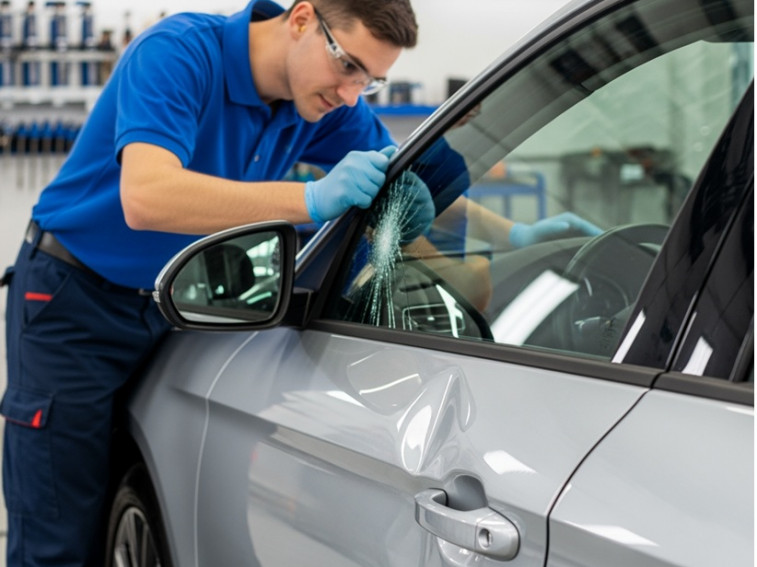
Salvage vehicles with glass and panel damage represent 42% of UK auction inventory, yet most buyers overlook them for seemingly easier mechanical repairs. That's a mistake. A Cat N vehicle with a cracked windscreen and dented bonnet typically sells for £2,000-£3,000 below market value, but repairs rarely exceed £800 when you know the right approach. When sourcing through RAW2K for cosmetic damage opportunities at car auctions, recognise that most buyers avoid these vehicles based on appearance rather than repair complexity.
Salvage operations processing hundreds of these vehicles reveal a clear pattern: cosmetic damage scares off competition whilst offering the highest return on investment for informed buyers.
Why Glass and Panel Damage Creates Buying Opportunities
Insurance companies write off vehicles based on repair costs versus pre-accident value, not actual damage severity. A £15,000 car needs only £10,000 in bodyshop quotes to earn a Category N classification, even if the mechanical components remain perfect.
Typical insurable repair estimates: OEM windscreen with ADAS calibration: £800-£1,200 Bonnet replacement and paint: £600-£900 Front wing repair and blend: £400-£700 Door skin replacement: £500-£800
Total a few of these items, add VAT, and you've hit write-off thresholds on mid-range vehicles. Yet aftermarket parts and independent specialists cut these costs by 60-70%.
The auction data proves it. Cat N vehicles with purely cosmetic damage sell for 30-40% below clean examples, whilst Cat S vehicles with structural issues command only 45-55% discounts despite requiring more complex repairs. The market overvalues the cosmetic damage risk.
Assessing Damage Before You Bid
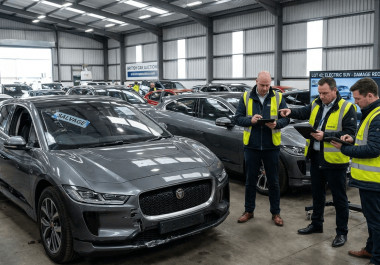
Walk any salvage auction and you'll spot buyers tapping panels and peering at windscreens. Most miss the critical checks that determine whether a £500 repair becomes a £2,000 problem.
Glass damage repair assessment takes 90 seconds per vehicle:
Check windscreen chips for star breaks longer than a £2 coin. These can't be repaired and need replacement. Note the position - chips in the driver's sight line (Zone A) fail MOT regardless of size. Windscreens with rain sensors, heads-up displays, or ADAS cameras cost £200-£400 more than standard glass.
Side and rear glass rarely justifies replacement costs in salvage economics. A door window runs £80-£150 fitted at independent specialists. Rear screens with heating elements cost more (£200-£350) but still represent minor repairs in the overall picture.
Body panel damage requires the touch test:
Run your hand along dented panels from multiple angles. Shallow dents in large, flat panels (bonnets, roofs, doors) respond well to paintless dent removal when the paint hasn't cracked. Deep creases or stretched metal need panel replacement.
Check panel gaps with your fingers. Uneven gaps between bonnet and wings, or doors and pillars, suggest structural movement beyond simple panel damage. That's your signal to walk away - you're looking at potential Cat S misclassification or hidden structural issues.
Examine paint for crazing (fine cracks) around impact points. Cracked paint means you're repainting, not just pulling dents. Factor £300-£500 per panel for quality paint and blending.
The Economics of Glass Replacement
Windscreen replacement splits into two cost categories that determine your repair strategy.
Standard windscreens on pre-2018 vehicles without driver assistance systems cost £150-£250 supplied and fitted through independent specialists. Local fitters source aftermarket glass meeting British Standard BS AU178a - identical safety ratings to OEM glass at half the price.
The process takes 90 minutes and requires 24-hour curing before the vehicle moves. Insurance companies prefer OEM glass and charge £400-£800 for the same job, which explains why minor windscreen damage triggers write-offs on older vehicles.
ADAS-equipped windscreens complicate the equation. Vehicles with autonomous emergency braking, lane-keep assist, or adaptive cruise control mount cameras and sensors in the windscreen. These systems need recalibration after glass replacement, adding £150-£200 to the job. However, when evaluating inventory through featured auctions, these technology upgrades often signal premium vehicles with strong resale value justifying the additional repair investment.
Total cost for ADAS windscreen replacement: £600-£900 through specialists, versus £1,200-£1,800 at main dealers. The technology hasn't changed the repair economics enough to avoid these vehicles - just factor the extra cost into your bid.
One critical point: some manufacturers (particularly German brands) programme ADAS calibration as dealer-only procedures. Verify calibration availability with your local specialist before bidding on premium marques with camera systems.
Panel Repair vs Replacement Decisions
The repair-or-replace calculation determines your profit margin. Get it wrong and you'll spend £1,500 fixing a £800 problem.
Shallow dents in large panels (bonnets, roofs, tailgates) Damage without paint cracking or creasing Accessible areas where technicians can reach behind panels PDR costs £80-£150 per panel and takes 1-2 hours. Skilled technicians remove door dings and hail damage that looks terminal to untrained eyes. The limitation is depth - anything deeper than 15mm or with sharp creases needs traditional bodywork.
Multiple dents affect the same panel Paint has crazed or cracked Metal shows stretching or work-hardening Repair costs approach 70% of replacement costs
Aftermarket panels transform the economics. A replacement bonnet for a Ford Focus costs £120-£180 unpainted from quality aftermarket suppliers, versus £400-£600 OEM. Wings run £80-£150, doors £200-£350 (complete with window mechanism).
The catch is paint. Quality panel painting costs £250-£400 per panel including colour matching and blending to adjacent panels. Cheap paint jobs (£100-£150) look acceptable for six months, then fade or peel. Experience shows that false economy damages reputation after three vehicles returned with paint issues.
Finding Reliable Repair Partners
Your repair network determines success in salvage vehicle flipping. Building relationships with four types of specialists handles different aspects of glass damage repair and body panel damage work.
Mobile windscreen fitters handle standard glass replacement at your premises. They charge £150-£250 per windscreen and work from vans equipped with everything needed. Verify they're FENSA-registered and offer insurance-backed guarantees - critical for resale confidence.
Independent body shops handle panel replacement and painting. Look for shops with 3-4 star ratings (not 5 stars - often fake) and 10+ years trading history. Ask about paint systems - quality shops use 2-pack paint with manufacturer-matched codes, not single-stage cellulose that fades.
Get written quotes specifying parts origin (OEM vs aftermarket), paint system, and guarantee period. Good shops offer 12-month paint guarantees and provide photographic evidence of work stages.
PDR specialists operate mobile services or small workshops. The skill level varies enormously - excellent technicians produce invisible repairs, whilst poor ones leave wavy panels and paint damage. Request examples of previous work and start with a small test job before committing multiple vehicles.
Salvage parts suppliers provide used panels in original paint when you're matching older vehicles. A colour-matched door in good condition costs £100-£200 versus £600+ for replacement and paint. The risk is condition - inspect parts personally or use suppliers offering photographic evidence and returns policies. Quality suppliers often advertise through van auctions and commercial vehicle channels where parts availability is strong.
Common Mistakes That Kill Profit Margins
Typical mistakes with glass damage repair and body panel damage projects cost approximately £15,000 in learning fees over three years for most repair operations.
Underestimating paint costs tops the list. Early calculations might budget panel replacement costs (£150) and £100 for paint. Quality paint work costs £250-£400 per panel, period. Anything less produces visible colour mismatches or premature failure. Budget properly or don't buy vehicles needing paint.
Ignoring ADAS calibration requirements catches buyers repeatedly. Replacing windscreens on vehicles with camera systems means calibration costs another £200 and requires specialist equipment. The vehicles can sit for three weeks whilst finding capable technicians. Research ADAS requirements before bidding - it's vehicle-specific information available in owner's manuals.
Mixing panel sources creates shade variations that kill resale value. One documented case involved fitting an aftermarket wing and OEM bonnet to a metallic silver vehicle. Both panels were "correct" colour codes but came from different paint batches. The shade difference was obvious in daylight. Now sourcing all panels for the same vehicle from one supplier ensures batch consistency.
Skipping structural checks nearly causes serious losses. A "simple" door and wing replacement can reveal bent B-pillar mounts when stripping the door. What looked like Cat N cosmetic damage was actually Cat S structural damage. Always verify panel mounting points and adjacent structure before committing to repairs.
Using cheap consumables seems smart until paint peels or adhesives fail. Windscreen fitting requires proper urethane adhesives rated for structural bonding - cheap alternatives compromise safety and fail MOT. Panel bonding adhesives, primers, and paint systems all have quality grades. Use professional-grade materials or risk comebacks.
Building Resale Value Through Documentation
Buyers pay premiums for salvage vehicles with documented repairs. Photographing every repair stage and providing written records with each sale adds approximately 8-12% to resale values compared to undocumented repairs. When sourcing from vehicle auctions, establishing a reputation for transparency and quality attracts premium buyers.
Documentation includes: Initial damage from multiple angles Stripped panels showing mounting points New parts before fitting Paint process (primer, base coat, clear coat) Completed repairs from various angles ADAS calibration certificates (if applicable)
Store photos digitally with vehicle VIN references. When selling, provide buyers with a memory stick or cloud link containing the complete repair record. This transparency builds confidence and justifies asking prices closer to clean vehicle values.
Keep all repair invoices and parts receipts. Buyers want evidence you used quality parts and reputable specialists. Invoices from known suppliers and established body shops carry more weight than handwritten receipts from unknown traders.
For windscreen replacements, provide the fitter's certificate and guarantee documentation. Most reputable fitters offer insurance-backed guarantees that transfer to new owners - a valuable selling point.
Timeline and Cash Flow Management
Glass damage repair and body panel damage projects follow predictable timelines that affect your cash flow and inventory turnover.
Standard glass replacement: 2-3 days from collection to completion (including 24-hour cure time). These vehicles move through quickly with minimal storage costs.
Single panel replacement with paint: 5-7 days for body shops to fit panels and complete paint work. Add 2-3 days for paint curing before collection. Total: 7-10 days.
Multiple panel repairs: 10-14 days depending on shop workload and parts availability. Complex jobs involving multiple panels and colour blending need time for proper preparation and curing between stages.
ADAS calibration: Add 1-3 days if your windscreen fitter doesn't offer calibration services. Some specialists need to book calibration equipment, which creates delays.
Plan your auction bidding around these timelines. Buying multiple vehicles simultaneously creates storage costs and ties up capital. Maintaining a rolling inventory of 6-8 vehicles at various repair stages balances cash flow against storage capacity. Diversifying across truck auctions and commercial vehicles can spread risk effectively.
Conclusion: Glass and Panel Damage as a Profit Engine
Body panel damage and glass damage repair represent the most accessible entry point for salvage vehicle profits. The repairs are straightforward, the skills are available through established repair networks, and the market consistently undervalues cosmetic damage relative to repair costs.
Success requires accurate damage assessment before bidding, realistic repair budgeting that includes quality paint work, and reliable specialist relationships. Vehicles with standard windscreen damage and single-panel dents offer the fastest turnaround and highest percentage returns - typically £1,500-£2,500 profit on 7-10 day repair cycles.
ADAS-equipped vehicles and multiple-panel damage still generate profits but need larger capital reserves and longer timelines. The key is matching vehicle complexity to your experience level and cash position.
Start with straightforward cases: pre-2018 vehicles with cracked windscreens or single dented panels. Build your repair network, document everything, and scale up as you prove the process. Browse all cars to access curated inventory of glass and panel damage vehicles with full transparency and professional assessment support.
The market keeps supplying these opportunities because most buyers avoid cosmetic damage, leaving consistent profits for those who understand the repair economics. Contact us to discuss sourcing strategies and begin your salvage vehicle journey.