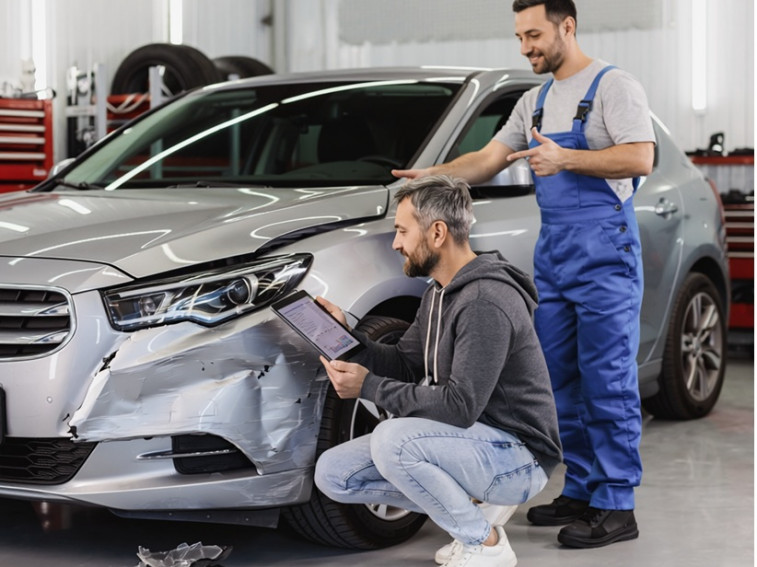
Category N vehicles represent the UK's largest segment of salvage cars - vehicles written off due to non-structural damage. Whilst many buyers chase Category S bargains or pristine used cars, Category N vehicles occupy a sweet spot that most people overlook: repairable damage with no compromise to structural integrity. Understanding Category N vehicles and their pricing advantages can unlock significant value for informed buyers.
The numbers tell the story. Insurance companies write off roughly 400,000 vehicles annually in the UK. Category N accounts for approximately 60% of these write-offs, yet these vehicles receive far less attention than their Category S counterparts. This creates a pricing anomaly that benefits informed buyers purchasing salvage cars with sound mechanics but cosmetic damage.
What Actually Qualifies as Category N
Category N covers any vehicle where repair costs exceed the insurer's economic threshold, but the damage doesn't affect the structural frame or chassis. The classification replaced the old Category D designation in 2017, creating clearer distinctions in the salvage market. Understanding what qualifies as the first step to identifying buying Category N opportunities in salvage cars.
Common Category N scenarios include:
Cosmetic collision damage: A £15,000 hatchback with £8,000 in bumper, wing, and headlight damage gets written off, even though the crumple zones remain untouched. The insurer pays out and moves on. You buy it for £6,000, source quality aftermarket parts for £2,500, and drive away with a mechanically sound vehicle worth £12,000 retail.
Electrical system failures: Modern vehicles pack £5,000-£8,000 worth of electronic components. A water leak that damages multiple control modules can trigger a write-off on a vehicle where everything mechanical works perfectly. Documented cases show 2-year-old premium cars written off for electrical issues that cost £3,000 to resolve, then selling at auction for 40% of their pre-incident value.
Interior fire damage: A cigarette ignites the driver's seat, melting the dashboard and filling the cabin with smoke. The engine, transmission, and chassis suffer zero damage. Insurers write it off because interior replacement costs spiral quickly. Buyers who can source salvage interior components or refurbish existing trim acquire these vehicles for 30-50% below market value.
Theft recovery: Vehicles stolen and recovered after payout often carry Category N markers, even when thieves caused minimal damage. A recovered Range Rover with a broken ignition barrel and scratched door lock gets categorised as N, despite being mechanically identical to its pre-theft condition.
The Pricing Advantage Nobody Discusses
Category N vehicles sell for 25-45% less than equivalent clean-title cars, yet their functional lifespan matches undamaged vehicles when repairs are done properly. This discount exists because most buyers either don't understand the category system or can't secure financing for salvage cars.
Banks and traditional lenders refuse to finance Category N purchases in most cases. This restriction eliminates 70% of potential buyers from the market, suppressing auction prices. Cash buyers face less competition and lower final bids when purchasing salvage cars at competitive auctions.
The resale stigma compounds this effect. Even after professional repairs, Category N vehicles sell for 15-20% below clean examples when you eventually move them on. But here's the critical calculation most people miss: You're buying at a 40% discount and selling at a 20% discount. That 20-point spread represents your value capture.
Clean title retail value: £22,000 Category N purchase price: £13,000 Quality repair costs: £2,500 Your total investment: £15,500 Future sale price: £17,600 (20% below clean retail) Net position: £2,100 ahead, or you keep a £22,000 car for £15,500
The maths works because you're buying at the steepest point of depreciation - immediately post-write-off - when fear and financing restrictions create maximum price suppression.
Where Category N Vehicles Make Sense
Not every Category N represents a smart purchase. The opportunity exists in specific scenarios where damage types align with repair capabilities and intended use.
High-value vehicles with low-cost damage: A £40,000 executive saloon written off for £6,000 in cosmetic damage offers better value than a £8,000 supermini with £3,000 in repairs needed. The percentage discount matters more than absolute figures. Premium vehicles depreciate faster, so the Category N marker adds less incremental stigma to an already-depreciating asset.
Vehicles you'll keep long-term: If you plan to drive the car for 5-7 years, the resale discount becomes irrelevant. You've captured the full purchase discount without suffering the sale penalty. Documented owners who purchased salvage cars in 2018 still drive them daily in 2024 - they've essentially eliminated the depreciation curve's steepest section.
Models with strong parts availability: Popular vehicles like Ford Fiestas, Volkswagen Golfs, and BMW 3 Series have extensive aftermarket support and salvage parts networks. You'll source quality replacement components for 40-60% less than dealer prices. Obscure models or limited-production vehicles create parts-sourcing nightmares that erase the purchase discount.
Damage you can verify and repair: Electrical issues require diagnostic capability. Cosmetic damage needs visual assessment skills. Interior damage demands upholstery connections. Match the damage type to your repair network or capabilities. Buying a flood-damaged Category N vehicle without electrical diagnostic tools is speculation, not investment.
The Inspection Process That Matters
Category N vehicles require more rigorous pre-purchase inspection than clean-title cars. The write-off category tells you damage occurred, but not whether repairs were completed properly or if hidden issues exist.
Start with the insurance database. The vehicle history check through DVLA shows write-off category, but doesn't detail the damage. Request the original engineer's report from the auction house or seller - this document specifies exactly what damage triggered the write-off.
Physical inspection must go beyond the obvious repair areas:
Alignment and geometry: Even non-structural damage can affect wheel alignment if suspension components were disturbed during the incident. A £50 alignment check reveals whether the accident's forces transmitted beyond the visible damage zone.
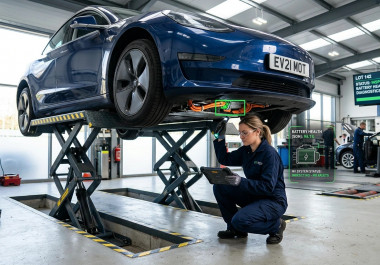
Electrical system integrity: Test every electrical function - windows, locks, climate control, infotainment, driver aids. Electrical gremlins often appear weeks after cosmetic repairs are completed, particularly if wiring harnesses were damaged or improperly reconnected.
Paint quality assessment: Poor paint work indicates corner-cutting elsewhere. Check panel gaps, overspray on trim pieces, and colour matching in different light conditions. Quality cosmetic repairs cost money - if the paint looks cheap, other repairs probably were too.
Fluid contamination: Water damage vehicles sometimes get cosmetic drying without proper fluid system flushing. Check oil, coolant, and brake fluid for discolouration or contamination. Milky oil or rusty coolant signals water intrusion that wasn't properly addressed.
Professional pre-purchase inspections cost £150-£300 but regularly identify issues worth thousands. Buyers often discover frame straightening on "non-structural" damage, or electrical repairs that created new failure points.
Insurance and Registration Reality
Category N vehicles must be re-registered with DVLA, but the process is straightforward compared to Category S vehicles. No Vehicle Identity Check (VIC) is required - you simply inform DVLA of the category status and register the vehicle normally.
Insurance presents the real friction point. Many insurers refuse Category N vehicles outright. Others charge 20-30% premiums above clean-title equivalents. Specialist salvage insurers offer competitive rates but require detailed repair documentation and photos.
Get insurance quotes before buying. Discovering your preferred insurer won't cover the vehicle after you've purchased it creates expensive problems. Specialist brokers who work with salvage cars can provide quotes based on the auction listing and damage description.
Comprehensive coverage costs more, but third-party-only policies often price similarly to clean vehicles. If you're buying an older Category N vehicle worth £5,000-£8,000, third-party insurance eliminates the category penalty whilst still providing legal coverage.
The Categories You Should Avoid
Category N represents the safe end of the salvage spectrum, but two related categories deserve mention because they're frequently confused with Category N vehicles:
Category S vehicles involve structural damage - bent chassis rails, compromised crumple zones, or frame repairs. These vehicles can be repaired safely, but require professional frame straightening and detailed geometry checks. The structural compromise affects long-term safety and resale value more significantly than Category N damage.
Category A and B vehicles can never return to the road legally. Category A vehicles must be crushed entirely. Category B vehicles can be stripped for parts, but the chassis must be destroyed. These categories don't appear in legitimate auctions, but stolen identity scams sometimes involve re-registering Category B vehicles with clean VINs.
Where to Find Quality Category N Vehicles
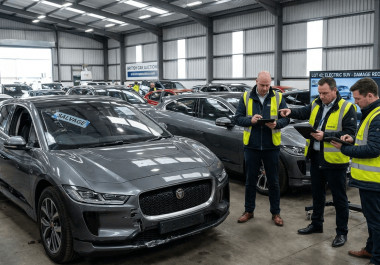
Vehicle auctions represent the primary market for Category N vehicles and salvage cars. Copart UK, British Car Auctions (BCA), and Manheim host regular salvage sales with detailed listings, photos, and damage descriptions.
Auction inspection opportunities vary. Some facilities allow in-person viewing; others operate online-only with photo documentation. Vehicles with comprehensive photo sets - showing damage from multiple angles, interior condition, and odometer readings - carry less risk than listings with minimal documentation.
Private sales offer another channel for purchasing salvage cars. Some buyers purchase Category N vehicles, complete repairs, then sell them privately when circumstances change. These represent lower risk than buying cars at auction because you can test drive the vehicle and verify repair quality before buying. However, prices run 10-15% higher than auction equivalents because the seller has already invested repair time and money.
Trade sellers specialising in salvage cars occupy the middle ground. They buy at car auctions, complete repairs, and retail the vehicles with warranties. You'll pay more than auction prices but less than private market rates, whilst gaining some warranty protection and verified repair quality.
Making the Numbers Work
Category N vehicles make financial sense when your total investment - purchase price plus repairs - stays at least 25% below clean retail value. This margin accounts for the resale discount whilst leaving room for unexpected repair costs.
Calculate conservatively:
Auction purchase price Buyer's premium (typically 5-8% of hammer price) Transportation costs (£150-£400 depending on distance) Repair costs (get quotes before bidding) Insurance premium difference (first year) Registration and documentation fees
Compare this total against current retail prices for equivalent clean-title vehicles. If you're not saving at least £3,000-£5,000 on a £15,000-£20,000 vehicle, the risk-reward ratio doesn't justify the salvage purchase.
The sweet spot exists in 3-7 year old vehicles where depreciation has already eliminated the new-car premium, but the vehicle retains enough value to make the percentage discount meaningful. A Category N 2019 Mercedes C-Class at £16,000 offers better value than a Category N 2015 Ford Focus at £4,000, even though the absolute discount is similar.
Long-Term Ownership Considerations
Category N markers follow vehicles permanently. Every future buyer, insurer, and valuation service will see the salvage history. This transparency protects the used car market but affects your ownership experience when buying salvage cars.
Maintenance records become more important. Comprehensive service history proves you've maintained the vehicle properly post-repair, reducing buyer concern when you eventually sell. Keep every receipt, every MOT certificate, and detailed photos of repair work.
Modification restrictions apply with some insurers. Adding performance upgrades or significant cosmetic changes to a Category N vehicle can trigger coverage denials. Clear any planned modifications with your insurer before spending money.
The emotional factor deserves consideration. Some owners feel uncomfortable knowing their vehicle was written off, even when repairs are perfect. This psychological element doesn't show in spreadsheets but affects satisfaction. If you'll constantly worry about the vehicle's history, the financial savings don't compensate for the mental cost.
Conclusion
Category N vehicles offer genuine value for buyers who approach them systematically. The 25-45% purchase discount exceeds the 15-20% resale penalty, creating a value gap that benefits informed buyers. This advantage is largest for high-value vehicles with cosmetic damage, when you plan long-term ownership, and when you have access to quality repair networks.
The opportunity exists because most buyers can't or won't navigate the salvage market. Financing restrictions eliminate casual buyers. Inspection requirements deter those without mechanical knowledge. Insurance complications frustrate people seeking simple transactions. Each barrier that turns away other buyers improves your negotiating position when purchasing salvage cars.
Success requires matching damage types to your capabilities, conducting rigorous inspections, calculating total costs conservatively, and accepting the permanent category marker. Done properly, Category N purchases deliver the same transportation utility as clean-title vehicles whilst capturing thousands in value that the broader market leaves on the table.
If you're interested in exploring Category N opportunities, browsing available vehicles, or need guidance on sourcing and purchasing salvage cars, get in touch with specialists at RAW2K who can help you navigate the salvage market successfully.