Category S cars sell for 30-50% less than their undamaged equivalents, making them attractive to budget-conscious buyers. But that discount means nothing if you can't get insurance. The reality? You absolutely can insure a Category S vehicle - but the process differs from insuring a standard car, and some insurers will refuse outright.
We handle hundreds of salvage vehicles monthly through our auction platform, and insurance questions dominate buyer concerns. Here's what actually happens when you try to insure a Category S car, based on real buyer experiences and insurer requirements.
What Category S Actually Means for Insurance
Category S (formerly Cat C) indicates structural damage that's been repaired. The vehicle was written off because repair costs exceeded the insurer's economic threshold - typically 50-60% of the car's pre-accident value. The damage affected the structural frame, chassis, or core components, but the vehicle has since been professionally repaired and passed inspection.
Insurers care about three specific factors:
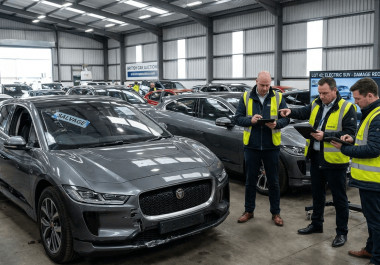
Repair quality: Was the work completed by a qualified technician with proper documentation? When you explore Category S vehicles at auction, we require sellers to provide repair invoices and photos for all Category S listings, because insurers demand this evidence.
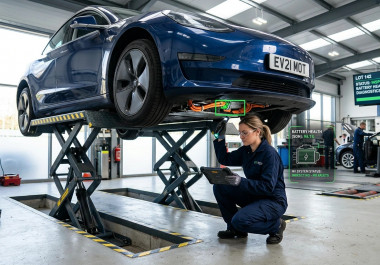
Safety certification: Did an engineer inspect and certify the repairs? Some insurers won't touch a Category S car without an independent engineer's report confirming structural integrity.
Current condition: What's the vehicle's state now? Fresh MOT certificates and comprehensive photo documentation help insurers assess ongoing risk. The salvage marker on Category S vehicles never disappears from the V5C logbook, which fundamentally changes how insurers price and approve cover.
Which Insurers Cover Category S Cars
Roughly 60% of mainstream UK insurers will consider Category S vehicles, but their appetite varies dramatically. We've tracked which providers consistently approve Category S applications based on buyer feedback:
Specialist salvage insurers handle these vehicles daily. Companies like Adrian Flux, A-Plan, and Performance Direct built their businesses around non-standard risks. They understand salvage categories, process applications faster, and often deliver the most competitive premiums. One buyer purchased a Category S BMW 3 Series through our auction and secured comprehensive cover within 48 hours through Adrian Flux at £840 annually - only £200 more than an equivalent undamaged model.
Mainstream insurers with salvage divisions include Admiral, Aviva, and LV=. They'll cover Category S cars but apply stricter criteria. Expect longer approval times, mandatory engineer reports, and premium increases of 20-50%. These insurers typically refuse vehicles with Category A or Category B classifications but accept properly repaired structural damage.
Insurers who consistently refuse Category S vehicles include some premium brands and classic car specialists. Direct Line, Churchill, and several others maintain blanket policies against salvage markers. When seeking Category S insurance quotes, focus on specialist salvage insurers who build their model around these vehicles.
The key difference between specialist and mainstream insurers? Specialists assess each vehicle individually. Mainstream providers often apply automatic premium loadings or computer-generated declines based solely on the salvage marker, regardless of repair quality.
What Documentation You'll Need
Insurers demand proof that repairs were completed properly. Missing paperwork kills applications faster than the salvage marker itself. We've seen buyers lose coverage offers because they couldn't produce a single repair invoice.
Essential documents include:
The V5C logbook showing the Category S marker. Never attempt to hide salvage history - it constitutes insurance fraud and voids any claim. Insurers cross-reference the Vehicle Identity Check database, which permanently records salvage classifications.
Complete repair invoices itemizing parts and labour. Generic "repairs completed" statements don't satisfy insurers. They want specific details: which structural components were replaced, welding specifications, paint codes, alignment measurements. The invoice should come from a VAT-registered garage or body shop with verifiable credentials.
Pre-repair and post-repair photographs documenting the damage and completed work. We require sellers to upload these images to vehicle listings because buyers need them for insurance applications. Photos should clearly show the damaged areas, repair process, and finished result.
Strongly recommended documents include:
An independent engineer's report certifying structural integrity. This costs £150-300 but dramatically improves approval odds and can reduce premiums by 15-30%. The engineer inspects the vehicle, verifies repair quality, and issues a certificate confirming the car meets safety standards. Some insurers waive this requirement if repairs were completed by an approved repairer for Category S vehicles, but many demand it regardless.
A recent MOT certificate demonstrating current roadworthiness. Fresh MOT passes (within 30 days) carry more weight than certificates issued months ago. If the vehicle recently passed with no advisories, highlight this in your application.
Receipts for replacement parts showing OEM or quality aftermarket components. Insurers worry about substandard repairs using cheap parts. Branded component receipts prove proper restoration.
One buyer purchased a Category S Audi A4 from our auction with complete documentation including an engineer's report. He received five insurance quotes within three days, with the best premium just 18% higher than an undamaged equivalent. Another buyer with identical vehicle but no engineer's report received two quotes, both 40%+ above standard rates. Documentation completeness dramatically shapes insurance outcomes.
How Much More You'll Pay for Category S Insurance
Category S insurances typically run 20-50% higher than equivalent undamaged vehicles, but this range varies based on multiple factors. We've tracked actual premiums paid by buyers purchasing through our salvage car auctions:
Lower premium scenarios occur when:
-
The vehicle has comprehensive documentation including engineer's certification
-
Repairs were completed by a manufacturer-approved body shop
-
The car is over five years old (lower base value reduces perceived risk)
-
You use a specialist salvage insurer rather than mainstream provider
-
The driver has clean history with no claims or convictions
Higher premium scenarios occur when:
-
Documentation is incomplete or repair quality unclear
-
The vehicle is newer or high-value (more expensive potential claims)
-
You're a young driver or have previous claims history
-
You use a mainstream insurer applying automatic salvage loadings
-
The damage was extensive even though professionally repaired
A 28-year-old buyer with six years no-claims bonus purchased a 2018 Category S Ford Focus (original structural damage to front chassis rails, professionally repaired). Standard insurance for an equivalent undamaged Focus: £520. His Category S premium through a specialist insurer: £640. That's a 23% increase for a vehicle he bought at 45% below market value.
Compare this to a 22-year-old buyer with two years no-claims who purchased a 2020 Category S Volkswagen Golf. Undamaged equivalent insurance: £1,100. His Category S premium: £1,760. A 60% increase that significantly eroded the purchase savings. Understanding Category S insurance costs requires reviewing your personal circumstances carefully.
Your no-claims bonus still applies to Category S vehicles. This remains your most powerful tool for controlling premiums. A protected five-year no-claims discount typically saves more than the Category S loading costs.
The Application Process for Category S Cars
Applying for Category S insurance differs from standard vehicle cover. Mainstream comparison sites often fail at the quote stage because their systems automatically decline salvage markers or generate inflated premiums that don't reflect specialist insurer rates.
Skip the comparison sites initially. Contact specialist salvage insurers directly by phone. Their underwriters can assess your specific situation rather than relying on automated systems. Explain the vehicle history, describe repair quality, and mention available documentation. This conversation often produces quotes 20-30% lower than online systems generate.
Prepare your documentation before applying. Have repair invoices, photographs, engineer reports, and the V5C ready to email immediately. Insurers process applications faster when they receive complete information upfront. One buyer had a quote approved within four hours by sending comprehensive documentation with his initial inquiry.
Be completely transparent about the salvage history. State upfront that the vehicle is Category S, explain the original damage, and describe the repairs. Attempting to hide salvage status constitutes fraud. Even if you somehow secure cover through deception, the insurer will void your policy and refuse any claim when they discover the truth during claims investigation. When exploring Category S insurance options online, honesty is always the best approach.
Request quotes from multiple specialists. Premium variations between salvage insurers often exceed 30% for identical cover. One buyer received quotes ranging from £720 to £1,040 for the same Category S vehicle with identical policy terms. Three phone calls saved him £320 annually.
Ask about engineer report requirements. Some insurers mandate independent certification; others waive this for well-documented repairs. If an engineer's report isn't required, you've saved £150-300. If it is required, get it completed before applying to avoid delays.
Claims and Coverage Limitations for Category S Insurance
Category S insurance provides the same legal cover as standard policies - third party, third party fire and theft, or comprehensive. But claims handling differs in crucial ways that affect your financial protection.
Agreed value policies work better for Category S vehicles than market value cover. Standard comprehensive policies pay "market value" if your car is written off, but determining market value for a salvage vehicle creates disputes. Is it the pre-accident value? The salvage value? Something in between? Agreed value policies eliminate this uncertainty by establishing the payout amount when you buy cover. You and the insurer agree the vehicle is worth £8,000, that's what you receive if it's totalled.
Betterment clauses appear more frequently in Category S policies. If you claim for damage to a previously repaired area, the insurer may reduce the payout arguing the repair improved the car's condition. This rarely affects minor claims but can significantly impact major damage settlements.
Some insurers exclude previously damaged areas from comprehensive cover. Read your policy schedule carefully. A few providers offer third-party cover for the entire vehicle but restrict comprehensive cover to areas unaffected by the original salvage damage. This creates a partially comprehensive policy that's nearly worthless for serious accidents.
We've seen one problematic claims pattern repeatedly: insurers initially approve Category S cover, then heavily dispute claims after accidents. They question whether new damage relates to previous structural repairs, argue the vehicle was improperly restored, or claim the salvage history contributed to accident severity. These disputes delay settlements and sometimes reduce payouts by 30-50%. The solution? Choose insurers with proven Category S claims experience through reputable salvage insurance providers.
When Category S Insurance Becomes Difficult
Certain situations dramatically complicate Category S insurance, sometimes making cover impossible or prohibitively expensive.
Multiple salvage markers create serious problems. If a vehicle has been written off twice - say Category D (now Category N) previously, then Category S more recently - many insurers refuse cover entirely. The double salvage history suggests either severe damage or a vehicle that attracts accidents. Even specialists often decline or charge premiums approaching the vehicle's value.
Recent repairs without sufficient time for verification concern insurers. If repairs were completed last week, insurers question whether hidden problems might emerge. Many prefer vehicles that have been driven 6-12 months post-repair, demonstrating the restoration holds up under normal use. Fresh repairs often trigger mandatory engineer inspections, extending approval timelines.
High-value or performance vehicles with Category S markers face restricted insurer options. A Category S BMW M3 or Mercedes AMG model might find only 2-3 insurers willing to quote, all demanding engineer reports and charging premiums 60%+ above standard rates. The combination of high repair costs and salvage history creates risk insurers avoid.
Young or inexperienced drivers struggle most with Category S insurance. The driver risk profile combined with salvage vehicle history often exceeds insurers' appetite. A 19-year-old with one year's driving experience might find a Category S vehicle completely uninsurable, or face premiums exceeding the car's value.
Is Category S Insurance Worth It?
The insurance question shouldn't exist in isolation - it's part of the total ownership calculation. We see buyers make two common mistakes: purchasing Category S vehicles without checking Category S insurance availability first, or rejecting excellent salvage deals because they assume insurance will be impossible or unaffordable.
Run the complete numbers before buying. If a Category S car costs £8,000 versus £14,000 for an equivalent undamaged model, you're saving £6,000 upfront. If insurance costs £200 more annually, you'll need to own the vehicle 30 years before the insurance premium increase erodes your purchase savings. The insurance loading is usually irrelevant compared to the acquisition discount.
But factor in resale impact. The salvage marker affects insurance premiums for every future owner, which reduces resale value by 25-40% compared to undamaged equivalents. Your £8,000 Category S car might sell for £4,000 in three years, whilst the £14,000 undamaged version might fetch £8,000. Suddenly the numbers look different.
Consider your driving profile. Experienced drivers with clean records and strong no-claims bonuses typically secure Category S insurance easily at reasonable premiums. Young drivers, those with claims history, or anyone with convictions face much steeper increases that can eliminate the purchase savings within 2-3 years.
The Insurance Question Has a Clear Answer
Yes, you can insure a Category S car. The better question is whether the total cost of ownership - purchase price, insurance premiums, maintenance concerns, and resale value - makes financial sense for your specific situation. For many buyers, especially those planning to keep vehicles long-term, Category S cars deliver genuine value despite higher insurance costs. For others, particularly those who change vehicles frequently or have challenging driver profiles, the insurance loading tips the equation toward undamaged alternatives.
For guidance evaluating whether a specific Category S vehicle makes financial sense including insurance costs, our team can advise you on the complete ownership picture.