Online car auctions can feel daunting if one is unsure what to expect from the digital process. Whether a seasoned motor trader or a private individual is looking for a competitively priced vehicle, the format and procedures of a salvage auction differ significantly from traditional car buying. The key to securing great value and avoiding unexpected complications when bidding in the competitive vehicle auction UK environment is a thorough understanding of the digital sales cycle and the specific insurance write-off status of the available inventory.
The Foundation: Research and Registration
Success in a salvage sale is anchored in meticulous pre-auction preparation. By dedicating time to research, every bid is ensured to be confident, profitable, and based on solid information. This is particularly true for salvage stock, where the true cost of a vehicle extends well beyond the hammer price. Bidders who fail to account for the unique nature of salvage often find their profit margins eroded by unforeseen technical or administrative hurdles.
Becoming a Registered Bidder
The essential first step involves gaining full access to listings and participating in live sales. Registration confirms commitment to the auction rules and is mandatory for bidding. Once registered, a bidder number is assigned, and one can immediately begin creating a watchlist of vehicles. For a detailed walkthrough of the sign-up process and how to place the first bid, the official registration requirements document provides all the necessary guidance. This initial setup is vital for ensuring that one can react quickly when a desirable lot enters the final stages of a sale.
Decoding Vehicle Condition and Value
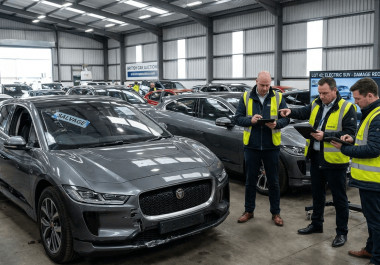
Because every vehicle at auction is sold as seen, relying solely on the provided information is crucial for informed decisions. The bidder's responsibility is to treat the digital listing as a serious pre-sale inspection. When looking at salvage cars for sale, all available images and reports must be scrutinised to identify potential structural or hidden issues.
The Vehicle Damage Report explains how to interpret the damage codes and technical abbreviations used in the listings. For example, if interested in a van for stock, calculate the maximum potential repair costs meticulously before setting the budget. Comprehensive research minimises risk and helps differentiate a smart salvage project from an uneconomical write-off. This digital scrutiny must include an analysis of panel alignments, interior condition, and any signs of mechanical neglect that could increase the restoration budget.
Documentation and Due Diligence
A critical aspect of pre-auction due diligence involves reviewing the vehicle's documentation status. The absence of a V5C registration certificate can significantly complicate the re-registration process with the DVLA, potentially leading to delays and additional administrative expenditure. The bidder must also understand that nearly all salvage vehicles are sold without a current MOT certificate or road tax.
It is the buyer's responsibility to ensure the vehicle is repaired and tested to a roadworthy standard before it is legally driven. Furthermore, conducting an independent HPI check is strongly recommended to verify ownership history, finance status, and confirm the specific insurance write-off status, providing an essential layer of protection against unexpected liabilities. Knowing whether a vehicle has outstanding finance or a history of multiple insurance claims can drastically change its value on the secondary market.
Understanding the Reserve Price
Most sales operate with a reserve price, which is the minimum acceptable sale price set by the seller. This figure is never publicly disclosed, adding a strategic element to the bidding. If the bidding does not meet the reserve, the vehicle may be designated "Referred" or "Passed In." This status allows the highest bidder a potential opportunity to negotiate the sale privately after the auction concludes. Understanding this process is key, as many vehicles that fail to meet the reserve on the day are eventually sold through these post-auction negotiations.
Mastering the Online Bidding Process
The RAW2K platform facilitates a seamless digital bidding environment that allows participation from anywhere, making it a truly flexible online car auctions experience. Whether one is attending a small, local sale or a major national auction, the core mechanism remains simple: the car is sold to the highest, most committed bidder. The transparency of the digital bid history allows participants to see the progression of interest in real-time, helping to gauge the market value of specific categories.
Strategic Use of Proxy Bids
Many seasoned buyers prefer utilising the proxy bidding feature. This allows the system to bid automatically on their behalf up to a predetermined maximum limit. This prevents emotional overspending during intense moments and ensures the bidder never misses a bid due to timing. The platform uses only the minimum amount necessary to keep the bidder in the lead, often securing the vehicle below the ceiling price, an invaluable tool for maintaining bidding discipline. This approach removes the stress of live bidding and ensures that the acquisition remains within the bounds of a pre-calculated profit model.
Setting Your Limit and Sticking to It
It is easy to get caught up in the thrill of live bidding. However, emotional bidding instantly destroys profit margin. Before the auction starts, an absolute, non-negotiable maximum price, including all estimated fees and repair costs, must be set. If a desired lot breaches this limit, cease bidding immediately. Discipline is the only way to ensure the purchase remains a genuine bargain. Experienced buyers understand that there will always be another vehicle; overpaying for one lot can jeopardise the entire project's viability.
Post-Win: Categories, Costs, and Logistics
Winning the bid is just the start. The transaction is not complete until payment is cleared and the vehicle has been successfully collected.
The True Meaning of 'Salvage'
When viewing a vehicle listing, the insurance write-off status must first be decoded. A vehicle is classified as salvage because the cost of repair exceeded the insurer's estimated market value. Understanding these codes is the difference between a simple project and a technical nightmare:
-
Category S (Structural): Requires specialist attention due to damage to the chassis or frame.
-
Category N (Non-structural): Category N non-structural vehicles involve damage to bolt-on parts, electrics, or cosmetic issues that do not compromise the safety cage.
To fully understand these critical classifications, refer to the technical guides provided by the platform. These ensure that the purchaser is prepared for the specific repair requirements associated with each code.
Budgeting Beyond the Hammer Price
The final price bid is merely the foundation of the total investment. Several non-negotiable costs must be diligently accounted for during the budgeting phase:
-
Buyer’s Premium and VAT: Administrative fees added to the winning bid.
-
Repair and Parts: The primary expenditure for returning the vehicle to roadworthy condition.
-
DVLA & MOT: Most salvage vehicles require a new MOT and tax before they can be legally driven on the road.
For example, a £3,000 Category N non-structural car, when combined with buyer's fees, £800 in parts, and £400 for painting, quickly approaches a true total cost of ownership of £4,500. Bidders should always leave a 10-15% contingency for parts that may be found broken only after the strip-down begins.
Organising Vehicle Collection
Payment deadlines are strict, typically requiring completion within 24 to 48 hours via bank transfer or card. Once payment is complete, collection must be arranged promptly to avoid storage fees. Failure to adhere to this schedule will result in mandatory daily storage fees, which can quickly erode any potential savings gained at auction. Due to the non-roadworthy nature of salvage lots, professional recovery or transport is often necessary.
Buyers must confirm and coordinate transport arrangements before placing a bid. RAW2K offers flexible solutions, but the buyer remains fully responsible for the secure and timely removal of their successful auction lot. This efficient logistics planning is a hallmark of an experienced vehicle auction UK buyer. Ensuring your transport provider is aware of the site's opening hours and loading requirements is essential for a smooth handover.
By following these procedures and maintaining a disciplined approach, participants can leverage online car auctions to build a high-quality fleet or restoration project at a fraction of the traditional market cost. For any additional support regarding the payment or collection process, the team is available by contacting us directly.
To begin your journey, simply register for an account today and start browsing the latest inventory.