Upon reaching the conclusion of its operational lifespan or being deemed a total loss, a vehicle undergoes a critical recycling phase. This stage is governed by rigorous environmental regulations, ensuring that automobiles, light commercial vehicles, and motorcycles are processed in an ecologically sound manner, facilitating the reclamation of valuable constituent materials. Prior to compaction or shredding, a scrap vehicle must first undergo a comprehensive depollution procedure. This essential step transforms hazardous components into recoverable assets, thereby safeguarding public health and mitigating environmental degradation.
Vehicle Depollution: A Necessary Environmental Step
Vehicle Depollution Explained refers simply to the mandatory process of removing all potentially hazardous materials from an end-of-life vehicle (ELV). This includes liquids, gases, and specific components that could contaminate soil, water, or the air if they were released during the later stages of vehicle recycling. Every vehicle, regardless of its size from a standard family hatchback to large commercial van auctions vehicles must comply with these regulations. Without correct depollution, a scrap vehicle poses a substantial ecological risk.
The Hazardous Materials Removal Process
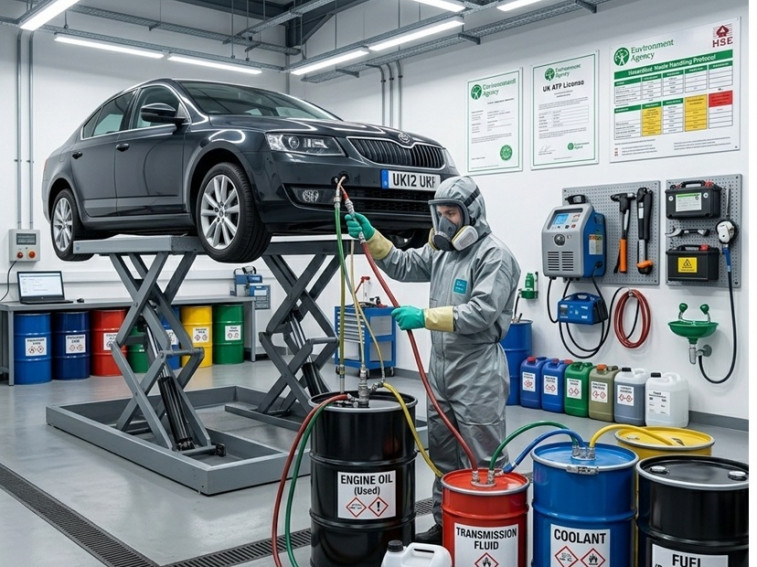
The depollution procedure must be performed by an Authorised Treatment Facility (ATF), which possesses the necessary equipment and licensing to handle hazardous waste safely. This is not a task for an average garage but a specialist operation requiring controlled conditions. The hazardous materials removal process is comprehensive, targeting all materials defined as harmful under the End-of-Life Vehicles Directive.
The procedure follows a clear, step-by-step sequence to capture every pollutant effectively. These depollution procedures guarantee that no contaminants are accidentally released into the environment. Key components and substances removed during this phase include:
-
Fuels and Oils: Draining the petrol or diesel from the tank, along with engine oil, gearbox oil, and differential oil.
-
Fluids: Extracting brake fluid, washer fluid, air-conditioning refrigerant gases, and engine coolant.
-
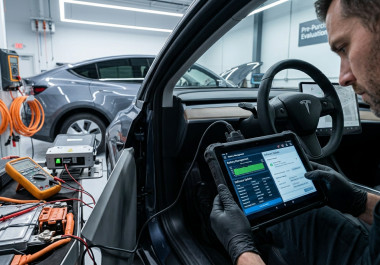
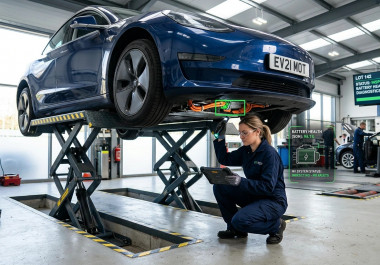
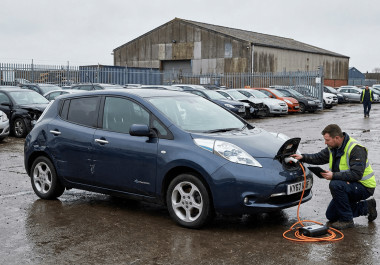
Batteries: Careful removal of the high-voltage batteries from hybrid and electric vehicles, as well as standard lead-acid batteries, due to their corrosive and toxic content.
-
Airbags and Tensioners: Deactivating and removing potentially explosive components like airbags and seatbelt pre-tensioners.
-
Mercury Switches: Isolating any components containing mercury, which are highly regulated due to their neurotoxic properties.
Legal Requirements for End-of-Life Vehicles (ELVs)
The UK operates under the European Union's End-of-Life Vehicles Directive, which establishes high standards for vehicle recycling and recovery rates. This legislation mandates that all ELVs must be treated at an ATF, placing a legal obligation on recyclers to achieve specific targets. These targets require that a minimum percentage of the vehicle's weight must be reused or recovered, pushing recyclers to maximise the materials saved.
The primary goal is to ensure that cars are not merely discarded but that their components are systematically stripped for reuse or processed for raw materials. This comprehensive legal framework ensures a uniform standard of environmental care across the country. Many depolluted vehicles enter specialized parts markets where their components are recovered. By adhering to these strict rules, the UK government limits the environmental footprint associated with millions of retired vehicles.
The Importance of Car Depollution in the UK Scrap Market
The Importance of Car Depollution cannot be overstated, as it represents the fundamental link between vehicle disposal and environmental stewardship. When a vehicle is declared scrap, its value shifts from transportation to raw material recovery, but only once the hazardous elements are neutralised. This process not only protects natural resources but also facilitates the economic recovery of valuable metals. Professional buyers often source depolluted vehicles for parts recovery through specialized markets.
Protecting the Environment and Waterways
Motor vehicles contain numerous toxic chemicals that can persist in the environment for decades if improperly disposed of. Engine oil, for instance, can quickly contaminate large volumes of water. By draining these liquids in a contained environment, ATFs prevent long-term soil and water pollution through proper hazardous materials removal.
The regulated management of refrigerants, for example, is vital because these gases are potent greenhouse contributors when released into the atmosphere. Proper depollution procedures prevent this release, directly contributing to compliance with climate goals. Furthermore, the responsible handling of corrosive battery acids prevents the destruction of ecosystems near landfill sites.
Extracting Valuable Vehicle Fluids and Metals
Beyond environmental compliance, depollution is a critical economic exercise in resource recovery. Fluids that are drained, such as engine oil and diesel fuel, can often be refined and repurposed rather than simply discarded as waste. This Vehicle Depollution Explained process adds economic value by creating a circular economy for these petroleum products.
Metals, including copper wiring, steel chassis, and aluminium engine blocks, form the backbone of a vehicle's value. Once the vehicle has been safely depolluted, the remaining metal shell is much cleaner and easier to shred, sort, and smelt. The cleaner the metal, the higher its value for resale. Even smaller units like scooters and motorbikes require this process, and their parts are often recovered through specialist motorcycle auctions.
What Happens to Depolluted Vehicles Next?
Once the depollution process is complete, the vehicle is officially ready for the next phase, which is either dismantling for parts or crushing and shredding for metal recovery. The decision on which path to take is based entirely on the vehicle's condition and market demand for its components. This stage is where the original value is finally realised, feeding materials back into manufacturing sectors.
Salvage for Parts Versus Shredding
A heavily damaged vehicle might still contain numerous functional, high-value components, such as transmission systems, lighting clusters, or infotainment units. If the vehicle is deemed to have valuable reusable parts, it will be dismantled by hand following depollution. These components are then cleaned, catalogued, and sold on the secondary parts market.
If the vehicle has low demand for parts or is too severely damaged to warrant dismantling, it is sent for shredding. The remnants of the car are crushed and fed into a shredder, where the resulting materials are separated into ferrous metals (iron/steel), non-ferrous metals (aluminium/copper), and fluff (plastics, foam, textiles). High recycling rates rely on this efficient material separation.
Finding Auction Opportunities
For professional buyers and breakers looking to source vehicles specifically for stripping and recycling, RAW2K provides access to current auction listings featuring a continuous supply. These listings feature vehicles with varying degrees of damage, providing opportunities to secure stock for high-value parts recovery or simple material resale. A successful bid starts with knowing the required output, whether it's repairable stock for road use or vehicles for parts harvesting.
Whether acquiring accident-damaged stock or sourcing used vehicles for resale, buyers can view the wide variety of auction listings available right now. If a licensed ATF or professional breaker has specific questions regarding the paperwork or compliance associated with ELVs purchased at auction, they should contact us directly for expert guidance.
The Importance of Car Depollution is clear: it's a necessary step that protects our environment while allowing for the sustainable recovery of vital resources. The Vehicle Depollution Explained process ensures that every vehicle lifecycle, from first registration to final scrap, adheres to the highest standards. To explore professional opportunities in the salvage vehicle market, you can register as a buyer to access current auction inventory. To explore current stock or to register as a professional buyer, browsing the RAW2K Vehicle Auctions platform today is the next step to finding the required opportunity.