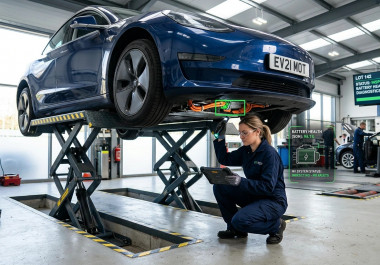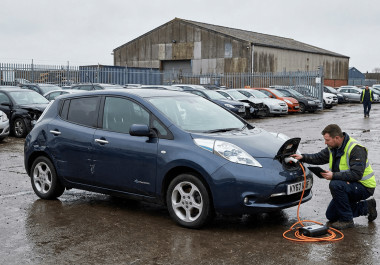
Ex-taxi and ex-fleet vehicles represent a substantial portion of the used vehicles market. They find their way to auction after a life of constant service.
These cars, vans, and sometimes specialist vehicles are retired not because they're fundamentally broken, but because they've reached a contractual or regulatory age limit. Understanding the rigorous routines these ex-taxi fleet cars after decommissioning maintained is essential for accurately assessing their future potential as affordable transport or valuable components for professional buyers.
This comprehensive guide explains the decommissioning process, evaluation strategies, and bidding approaches for sourcing high-mileage vehicles with verified maintenance histories.
The Unique Characteristics of High-Service Vehicles
Unlike private cars that might sit idle for long periods, former fleet vehicles are designed and maintained for maximum uptime. Their value at auction hinges on accurately interpreting their high mileage and maintenance records.
Buyers must recognise that a vehicle with 150,000 motorway miles often suffers less wear on critical components than a low-mileage car used only for stop-start city driving. The journey after fleet use begins with understanding this fundamental difference in wear patterns.
Decoding the Mileage and Wear
The most noticeable feature of ex-taxi and ex-fleet cars is their high odometer reading, reflecting years of reliable, constant operation. Whilst high mileage can be daunting, it often means the vehicle has been diligently maintained according to strict corporate schedules, often going beyond standard manufacturer recommendations.
This consistent care usually translates to mechanical robustness beneath the surface wear. Fleet operators cannot afford unexpected breakdowns, so preventative maintenance takes precedence over cosmetic concerns.
Conversely, the interior and bodywork may exhibit considerable wear and tear due to repeated daily use by multiple drivers and passengers. Look for damage to seat coverings, worn pedal rubbers, and scuffed door sills. These cosmetic issues require budgeting for refurbishment.
These vehicles are ideal candidates for buyers focused on mechanical integrity over immediate aesthetic appeal in their life after taxi service. A £300 professional valet and £200 in seat covers can transform a mechanically excellent vehicle into presentable transport.
Common Fleet Vehicle Types and Their Characteristics
Different fleet sectors produce distinct vehicle profiles at auction. Understanding these categories helps target the right opportunities:
Rental Fleet Returns: Major rental companies (Enterprise, Hertz, Avis) typically retire vehicles at 12-18 months old with 30,000-50,000 miles. These receive comprehensive maintenance but suffer interior wear from numerous short-term users. They represent excellent value for private buyers seeking relatively young, well-serviced vehicles.
Private Hire and Taxi Fleet: Licensed taxi and private hire vehicles accumulate 60,000-100,000 miles annually. Local authority licensing requires six-monthly inspections exceeding MOT standards. Mechanically robust but showing significant interior wear, these suit buyers prioritising reliability over cosmetics.
Corporate Fleet Vehicles: Company cars allocated to sales teams or executives typically return after three years with 60,000-90,000 miles. Generally well-maintained with full service history, though driving styles vary significantly between users.
Utility Fleet Vehicles: Vehicles operated by utility companies (electricity, water, telecommunications) often feature specialist modifications. These hard-working vehicles receive meticulous maintenance but may show evidence of challenging operating environments.
The Rigorous Decommissioning Process
Before an ex-fleet vehicle reaches the auction floor, it must undergo a thorough decommissioning process crucial for removing all operational equipment and branding. Fleet managers remove company decals, telematics, tracking devices, and communication equipment to prepare the vehicle for public sale.
Telematics removal is particularly important. Modern fleet vehicles contain GPS tracking units, driver behaviour monitoring systems, and sometimes dash cameras. Professional decommissioning ensures these devices are completely removed rather than simply disabled.
The administrative side of this process involves reconciling the vehicle's V5 registration document and confirming the transfer of ownership away from the leasing company or fleet owner. This meticulous preparation ensures that when you purchase the vehicle, the documentation is clear and the vehicle is fully de-branded.
The final check confirms that all proprietary equipment has been safely and completely removed. This includes removing mounting brackets for tablets, radio equipment, or specialist tools. Professional fleet managers ensure the vehicle returns to standard specification before sale.
Evaluation for Auction Value
A successful purchase requires a systematic evaluation of the vehicle's true condition beneath its service history. You can often secure vehicles at a lower price point than the general used market because high mileage deters less experienced buyers.
The journey after fleet use offers exceptional value for informed buyers who understand what to assess. Review high-mileage inventory across all vehicle types to identify which ex-fleet models offer the best value for your needs.
What to Check for in Ex-Service Vehicles
Ex-taxi and ex-fleet vehicles require close inspection. Focus on running gear and interior components most affected by heavy use to confirm that maintenance has kept critical mechanical systems sound.
Key areas for inspection include:
Transmission Health: Repeated daily use, especially in city taxis, can stress the gearbox and clutch. Listen for smooth shifts or test the responsiveness of automatic transmissions where possible. Automatic gearboxes in taxi use typically receive fluid changes every 40,000 miles versus the standard 60,000-mile interval.
Brake Wear: Given their operational nature, brake discs and pads may be heavily worn or recently replaced. Check the thickness and condition. Fleet vehicles often show evidence of recent brake replacement, as operators don't defer this critical maintenance.
Suspension Components: Look for excessive play or leaks in shock absorbers. Continuous heavy loading or passenger weight puts strain on the suspension. Taxi vehicles carrying passengers constantly show accelerated suspension wear compared to equivalent private vehicles.
Electric Systems: Confirm that all interior lights, power windows, and central locking mechanisms function correctly. These are frequently used and can suffer from electrical wear. Taxi vehicles with constant door opening/closing often develop central locking faults.
Air Conditioning Systems: Fleet vehicles used year-round for passenger comfort receive regular air conditioning maintenance. However, verify the system operates correctly, as repairs can cost £300-800 for refrigerant regas and component replacement.
Engine Oil Consumption: High-mileage engines may consume oil between services. Check for evidence of oil top-ups in the service history. Acceptable consumption is approximately 1 litre per 1,000 miles for vehicles exceeding 100,000 miles.
Assessing a high-mileage vehicle is like judging an athlete who has completed many races. You check their knees, not their shoes. Look beyond the superficial cosmetic flaws to confirm the integrity of the engine and running gear.
For vehicles beyond economic repair due to major mechanical failure, arranging scrap collection ensures proper disposal whilst recovering any valuable components.
Reading the Service Record and Licensing History
The documentation accompanying an ex-fleet car is arguably its greatest asset, offering a window into its entire life after taxi service. Most major fleet operators and licensed taxi companies maintain exhaustive maintenance records.
These logs detail every service, repair, and component replacement, providing a level of transparency rarely found in private sales. Service books stamped at manufacturer-approved garages demonstrate consistent professional maintenance.
For taxis, also look for documentation confirming the vehicle met local authority licensing standards. These vehicles are subject to rigorous annual, or bi-annual, inspections far beyond the standard MOT. Licensing inspections check brake efficiency, suspension geometry, exhaust emissions, and body condition to standards exceeding standard roadworthiness requirements.
Local authority inspection certificates provide valuable reassurance about structural integrity and mechanical condition immediately before decommissioning.
Auction Opportunities and The Buyer's Advantage
These vehicle types are ideally suited to specific types of buyer: professional dealers looking for cheap, reliable stock, or private individuals seeking a solid base car for a long-term project.
The immense volume of stock available through auction platforms facilitates targeted searching by model, location, and price. The journey after fleet use creates regular opportunities as fleets continuously refresh their vehicles.
The Appeal to Dealers and Mechanics
For professional mechanics and dealers, ex-fleet vehicles represent exceptional value as potential wholesale stock. Their known maintenance history simplifies the refurbishment process.
A dealer can quickly address the known cosmetic issues, perform a deep clean, and advertise a mechanically sound vehicle with verified service history for ex-taxi fleet cars after decommissioning. The comprehensive documentation provides marketing advantages when reselling to retail customers.
These vehicles also offer a steady supply of common parts. Professional dismantlers look for volume lots to strip valuable components. Whether securing commercial stock or multiple identical passenger cars, the economies of scale are highly favourable to trade buyers.
Popular fleet models like Ford Focus, Vauxhall Astra, or Volkswagen Golf ensure ready parts availability and strong retail demand once refurbished. Exploring commercial vehicle options reveals ex-fleet vans offering similar value propositions.
Finding Value in the High-Mileage Segment
The secret to profiting from high-mileage stock is to identify models renowned for reliability: the workhorses of the fleet world. Certain manufacturer models are favoured by taxi firms and utility companies precisely because they're cheap to fix and exceptionally durable.
When these models reach the end of their service life, their core mechanical value remains high. Toyota Prius models dominate private hire fleets due to hybrid reliability and fuel economy. Ex-fleet Prius vehicles with 150,000 miles often have 100,000+ miles remaining in their hybrid systems.
Similarly, Mercedes-Benz E-Class and BMW 5 Series vehicles from executive car fleets offer premium features at mainstream prices once high mileage reduces market demand from private buyers.
Consider Mark, a mechanic who targeted a decommissioned rental car with 160,000 motorway miles. Checking the service history showed recent maintenance, allowing him to secure the car for 40% less than market value. After a clean and minor refurbishment, he had a mechanically sound car that provided years of reliable service.
Understanding Licensing and Age Limits
Different fleet sectors impose varying age and mileage restrictions that trigger decommissioning:
London Black Cabs: Maximum age of 15 years forces premature retirement of mechanically sound vehicles. These robust taxis often have substantial remaining life when decommissioned.
Private Hire (Uber/Bolt): Most operators require vehicles under 10 years old with fewer than 100,000 miles. Vehicles reaching these limits enter auction with serviceable mechanical condition.
Rental Fleets: Major companies typically retire vehicles at 12-24 months regardless of mileage to maintain fleet image. These young vehicles represent exceptional value.
Local Authority Taxi Licensing: Age limits vary regionally from 5 years (Westminster) to 12 years (some rural authorities). Understanding these limits helps identify vehicles retired purely for age compliance rather than mechanical issues.
Mastering the Bidding and Collection Phase
Approaching the auction for these vehicles requires a clear plan. You must factor in refurbishment cost and anticipate potential minor mechanical needs not addressed during decommissioning. A contingency budget is always advisable.
Budgeting for the Next Stage of Vehicle Life
Your maximum bid should always reflect the cost of giving the vehicle its new life after taxi service. For ex-taxis, this means accounting for interior valeting, removal of any remaining mounting brackets, and potentially replacing tyres worn from constant stopping and starting.
Create a detailed spreadsheet that adds auction fees, expected repair costs, and a small buffer to the hammer price. This preparation ensures that your final purchase price remains profitable, whether the vehicle is for personal use or resale.
Typical refurbishment costs for ex-taxi/fleet vehicles:
-
Professional deep clean and valet: £150-250
-
Seat cover replacement or repair: £100-300
-
Minor scratches and scuffs repair: £200-400
-
Tyre replacement (full set): £300-600
-
MOT test: £54.85
-
Total refurbishment: £805-1,604.85
It's crucial to research the market value of the same vehicle, with similar mileage and condition, once it has been cleaned up. This final calculation provides the definitive upper limit you can afford to pay at auction. Don't let the competitive rush push you past this number.
For additional auction opportunities across vehicle types, motorcycle and scooter auctions sometimes feature ex-delivery fleet bikes worth investigating.
Strategic Collection and Logistics
Once you win the bid, ensure you can swiftly and safely collect your new acquisition. Many decommissioned cars are sold without current MOTs or are in locations that make immediate driving impractical. You need a reliable transport solution lined up immediately.
For dealers sourcing multiple units, planning the collection route around regional auction hubs is a massive logistical advantage. Collecting three ex-fleet vehicles in one journey reduces per-vehicle transport costs from £200 to approximately £70, immediately improving profit margins.
Always coordinate collection times and required paperwork promptly after the auction closes. The quicker you collect, the sooner you can begin the vehicle's refurbishment.
The opportunity to buy these vehicles is excellent, but it relies on diligence. By respecting their mileage and relying on their maintenance history, you can uncover genuinely sound vehicles at competitive prices.
Understanding life after taxi service and the journey after fleet use is essential for identifying genuine value. By focusing on verified maintenance records and mechanical integrity rather than cosmetic appearance, you can secure reliable transport at prices significantly below retail market values.
Looking for high-mileage vehicles with complete service histories? Access ex-fleet stock with documented maintenance records from major fleet operators and licensed taxi companies. Professional buyers prioritize verified service logs over low mileage when sourcing mechanically sound vehicles.
RAW2K Vehicle Auctions offers transparent access to extensive ex-fleet and ex-taxi stock from major operators nationwide. New decommissioned fleet vehicles are added weekly across all categories.