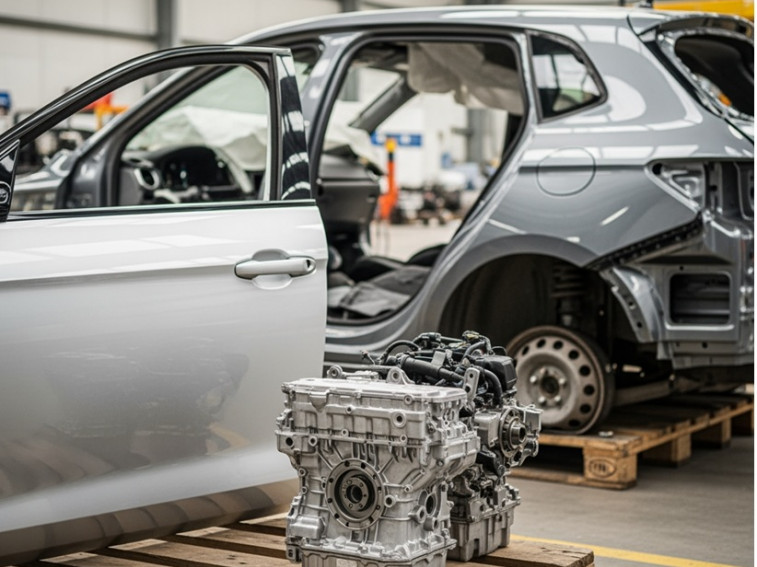
When a vehicle suffers catastrophic damage in the UK, insurers assign it a salvage category that determines its future. Category B represents the second-most severe classification, and understanding what it means could save you from making a costly mistake. Category B vehicles carry a permanent restriction: their structural components can never return to the road.
These vehicles cannot be re-registered or driven legally, even if extensive repairs seem technically possible. The chassis, frame, and bodyshell must be destroyed, even if they appear relatively intact. Understanding category B salvage is essential for anyone involved in vehicle purchasing or salvage operations.
What Makes a Vehicle Category B
The Association of British Insurers defines category B salvage as vehicles with extensive damage where the structural integrity has been compromised beyond safe repair. The body shell must be crushed, but mechanical parts, glass, and trim can be salvaged and sold.
Three scenarios typically result in a category B classification:
Severe collision damage that bends or weakens the chassis or structural pillars. Even if a repair seems technically possible, the vehicle fails safety standards for road use. Fire damage that affects structural components. Heat weakens metal in ways that aren't always visible, creating hidden failure points that could collapse during a future collision. Flood damage reaching above the dashboard. Water intrusion corrodes structural joints and electrical systems throughout the vehicle, creating multiple failure points that make the car unsafe regardless of cosmetic repairs.
The decision isn't arbitrary. Insurance engineers assess whether structural damage compromises occupant safety during a collision. If the answer is yes, the vehicle receives a category B classification. When evaluating category B vehicles or salvage vehicles generally, this assessment proves decisive.
The Legal Framework Behind Category B
The UK salvage categorisation system exists to protect road users from unsafe vehicles re-entering circulation. Category B sits second in a four-tier system of salvage classifications:
Category A: Complete destruction required, including all parts Category B: Body shell destroyed, parts can be salvaged Category S (formerly C): Structural damage, repairable and can return to roads Category N (formerly D): Non-structural damage, repairable and can return to roads
Category B vehicles cannot be re-registered with the DVLA under any circumstances. The Vehicle Certification Agency maintains records of all salvage classifications, and attempting to register a category B vehicle constitutes fraud.
The certificate of destruction, issued when the body shell is crushed, provides legal proof that the vehicle no longer exists as a complete unit. Salvage operators must be Authorised Treatment Facilities (ATFs) licensed by the Environment Agency to handle this process correctly.
Why the Body Shell Must Be Destroyed
The structural integrity of a vehicle's body shell determines how it performs during a collision. Modern cars use crumple zones that absorb impact energy in calculated ways, protecting occupants in the passenger cell.
When structural components bend or crack, they lose their designed behaviour. A repaired chassis might look straight, but the metal's crystalline structure has changed. It may crumple prematurely or remain rigid when it should flex, increasing injury risk substantially.
Heat damage from fire creates similar problems. Steel loses tensile strength when heated beyond certain temperatures. A structural member that appears undamaged may have been weakened at the molecular level, ready to fail when stressed during normal driving.
This isn't theoretical. The Insurance Institute for Highway Safety documented cases where vehicles with repaired structural damage performed catastrophically worse in crash tests compared to undamaged examples of the same model. The passenger compartment collapsed in ways that would prove fatal in real-world collisions.
The destruction of category B body shells reflects this scientific reality - safety cannot be compromised when structural integrity is compromised.
What Happens to Category B Parts
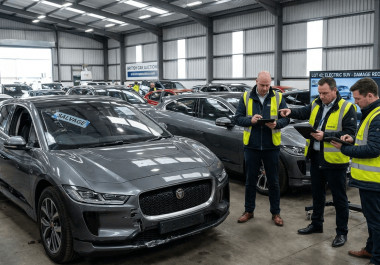
Whilst the body shell faces destruction, many components from category B vehicles retain value. Salvage yards dismantle these vehicles systematically, recovering parts that meet safety standards and can be reused in other vehicles.
Mechanical components like engines, gearboxes, and differentials often survive accidents that destroy the body shell. These receive inspection and testing before resale. A front-end collision might total the vehicle whilst leaving the engine and rear suspension untouched.
Interior components including seats, dashboard elements, and trim panels become available for other vehicles. These parts help keep older vehicles economical to maintain when manufacturer parts become expensive or unavailable.
Glass, lights, and body panels from undamaged sections provide cost-effective alternatives to new parts. A rear-end collision might destroy the chassis whilst leaving the front wings, bonnet, and headlights in perfect condition.
Electronic modules require careful assessment. If protected from impact and water damage, components like ABS modules, engine control units, and infotainment systems can be recovered and resold through car auctions and salvage networks.
Reputable salvage operations test electrical components and provide warranties on mechanical parts. The salvage parts market supports both professional repairers and DIY mechanics, reducing waste whilst keeping repair costs manageable. This represents an important environmental and economic function.
How Category B Differs from Category S
The distinction between category B and category S (Structural) confuses many people. Both involve structural damage, but the severity differs critically, making the comparison between category B and category S essential for anyone purchasing salvage vehicles.
Category S vehicles have repairable structural damage. The chassis or body shell can be straightened, welded, or replaced according to manufacturer specifications. After proper repair and inspection, these vehicles can be re-registered and driven legally.
Category B vehicles have crossed the threshold where safe repair becomes impossible. The damage is too extensive, affects too many structural points, or involves heat or corrosion that has weakened the metal beyond visual assessment. When considering category B versus category S vehicles, this distinction proves critical.
Cost plays no role in this distinction. A category S vehicle might be uneconomical to repair despite being technically safe to fix. A category B vehicle cannot return to the road regardless of how much money someone might spend on repairs.
The practical difference: category S vehicles appear on used car listings after repair. Category B vehicles should never appear for sale as complete vehicles, only as parts sources. Understanding category B classification prevents purchasing vehicles that cannot legally be driven.
Red Flags: Spotting Illegal Category B Sales
Despite clear regulations, some unscrupulous operators attempt to return category B vehicles to the road. Recognising the warning signs protects you from buying an illegal and dangerous vehicle.
Missing or suspicious documentation represents the clearest warning. Every vehicle should have a V5C registration document matching the VIN plate. If the seller can't produce this or claims it's "being processed," walk away immediately.
Mismatched VIN numbers between the plate, documents, and chassis stamps indicate a cut-and-shut or identity fraud. Check multiple locations: the VIN plate on the dashboard, the door pillar, and stamped into the chassis.
Fresh paint on structural areas without explanation suggests hidden damage. Look for overspray on suspension components, undertray, or areas that wouldn't normally be painted during cosmetic work.
Welding on chassis rails or structural pillars that doesn't match factory welds indicates repair work. Factory welds are uniform and precise. Repair welds look irregular, with different heat patterns in the surrounding metal.
Unusually cheap prices for desirable models should trigger suspicion. If a three-year-old vehicle sells for 40% below market value with no clear reason, investigate thoroughly before committing.
Always conduct an HPI check or similar vehicle history search before buying any used car. These services reveal salvage categories and category B designations, outstanding finance, and theft markers that sellers might conceal. When browsing vehicle auctions, always verify the category classification.
The Environmental and Economic Role
Category B salvage serves important functions beyond safety enforcement. The systematic recovery of usable parts reduces waste and supports sustainable vehicle maintenance through the salvage parts market.
UK vehicles contain approximately 75% recyclable materials by weight. Category B processing ensures maximum recovery before the shell reaches the crusher. This reduces demand for new part manufacturing, lowering the automotive industry's environmental footprint significantly.
The parts market makes older vehicle maintenance economical. When a manufacturer discontinues a model, salvage parts keep remaining examples running affordably. This extends vehicle lifespan and reduces premature scrapping of otherwise serviceable cars.
Salvage operations employ skilled technicians who assess, test, and warrant recovered components. The vehicle recovery industry supports thousands of jobs whilst providing essential services to repairers and motorists. This economic contribution extends beyond the immediate salvage sector.
Steel recovered from crushed body shells returns to foundries for new manufacturing. Modern recycling processes recover over 95% of the steel from scrapped vehicles, creating a closed-loop system that reduces mining demand substantially.
Buying Parts from Category B Vehicles
Purchasing parts from category B salvage offers legitimate cost savings when done correctly. Understanding the process helps you buy confidently.
Choose established salvage yards with proper licensing and warranties. Members of trade associations follow codes of practice that protect buyers and ensure legal compliance throughout the transaction.
Request part history where possible. Reputable sellers document which vehicle the part came from and can confirm it wasn't damaged in the incident that wrote off the donor vehicle.
Inspect parts carefully before installation. Check for impact damage, cracks, or deformation that might not be immediately obvious. Mechanical parts should rotate smoothly without binding or unusual noise.
Avoid structural components entirely. Whilst technically legal to buy, using structural parts from any salvage vehicle risks compromising your vehicle's safety. Stick to bolt-on mechanical and trim components only.
Keep documentation showing where you purchased the part and its origin. This protects you if questions arise about your vehicle's history during future sales or inspections.
The salvage parts marketplace has matured into a professional industry with quality standards and consumer protections. Treated as a legitimate source rather than a last resort, it provides value without compromising safety.
Insurance and Category B Vehicles
Understanding how insurers handle category B classifications helps if your vehicle suffers serious damage.
When damage exceeds approximately 50-60% of the vehicle's pre-accident value, insurers typically declare it a total loss. The specific category depends on damage type and location rather than cost alone.
If your vehicle receives a category B classification, the insurer pays your claim based on the vehicle's pre-accident market value. They then take ownership of the wreck, selling it to a licensed salvage operator.
You cannot buy back a category B vehicle from your insurer to repair it yourself. The classification specifically prohibits this. Category S or N vehicles can sometimes be bought back, but never category B.
The salvage operator pays the insurer for the wreck based on the value of recoverable parts minus dismantling costs. This payment reduces the insurer's net loss, helping control premium costs across their customer base.
Your vehicle's history follows it permanently. Even after the body shell is destroyed, the VIN remains recorded as category B in insurance and DVLA databases. Parts sold separately don't carry this marker, but the original vehicle's record never changes.
Common Misconceptions About Category B
Several myths about category B salvage persist despite clear regulations.
"You can rebuild it if you use all new structural parts" - Wrong. The category B classification permanently prohibits the vehicle from road use regardless of repairs. The VIN itself is marked as destroyed.
"It's only category B because repair costs too much" - Incorrect. Cost determines whether a vehicle is written off, but damage severity determines the category. Category B specifically means unsafe to repair, not uneconomical to repair.
"Parts from category B vehicles are dangerous" - Overly broad. Undamaged parts from category B vehicles are perfectly safe. The restriction applies to the structural shell only.
"You can register it in a different name to avoid the category" - This is fraud. The VIN carries the category B marker regardless of ownership changes. Attempting this risks prosecution.
"Category B is the same as a write-off" - Imprecise. All Categories A, B, S, and N are write-offs, but they carry different restrictions. Category B specifically requires body shell destruction.
Making Informed Decisions
Category B salvage exists to protect road users from vehicles that cannot be safely repaired. The system balances safety enforcement with resource recovery, preventing dangerous vehicles from returning to roads whilst maximising the value recovered from usable components.
If you're buying a used vehicle, always check its history. The small cost of an HPI check protects you from buying a vehicle with hidden salvage history that affects its value and legality.
If your vehicle receives category B classification after an accident, accept that it cannot return to the road. Focus on ensuring you receive fair settlement from your insurer based on the vehicle's pre-accident value.
If you're buying salvage parts, work with reputable suppliers who document part origins and provide warranties. The parts market serves a legitimate purpose when operated responsibly and ethically.
For additional guidance on salvage classifications or if you need help understanding vehicle categories, get in touch with specialists at RAW2K. The category B system works because it draws a clear line: when structural damage crosses the threshold of safe repair, the vehicle's road life ends permanently. This protects everyone who shares the road, ensuring that vehicles meet minimum safety standards regardless of their age or value. Understanding these rules helps you navigate the salvage market safely, whether you're buying parts, selling damaged vehicles at auctions, or simply checking a potential purchase's history.