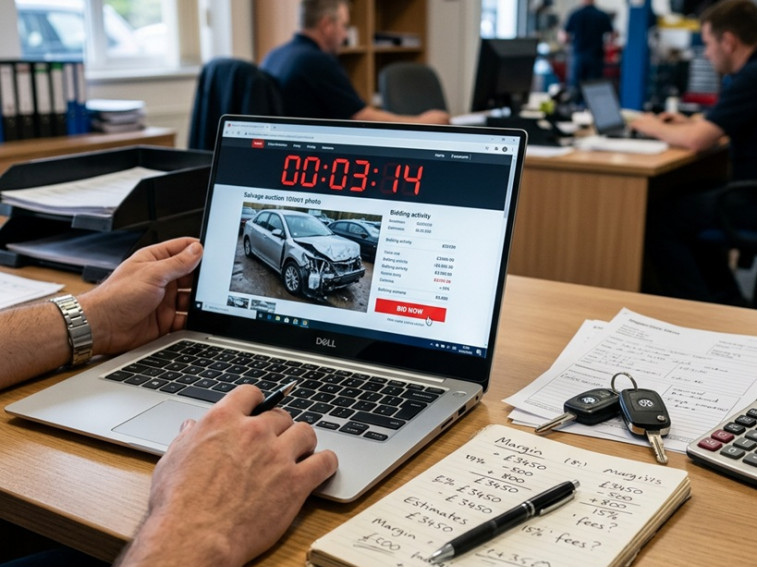
Monitoring a targeted salvage vehicle requires precision. A buyer might calculate their precise profit margin with thirty seconds remaining on the clock. Suddenly, a late bid lands, the clock resets, and an unexpected bidding war commences. Welcome to the mechanics of auction timers, one of the most strategic features of online vehicle marketplaces.
Experienced trade buyers understand exactly how these extensions work and actively use them to secure premium inventory. Conversely, inexperienced bidders frequently panic, overbid, or lose vehicles they could have won with better timing. Understanding these countdown mechanics separates successful, profitable acquisitions from costly operational mistakes.
How Auction Timers Actually Work
Most online vehicle platforms utilize a soft close auction system rather than a hard, unyielding deadline. If a traditional live auction resembles a sprint with a clear finish line, the online format acts as a rolling deadline that shifts until all market competition ceases.
Every listing features a scheduled end time. However, if a bid lands within the final moments of that countdown, the platform automatically extends the clock. The auction only concludes when the full extension period passes without any new bids being placed.
It is common to see highly desirable salvage models extend dozens of times over half an hour. Two determined dealers might repeatedly outbid each other by minimal increments, each assuming the other will concede. Eventually, one steps away, but the winner pays significantly more than if they had simply placed a stronger, definitive initial maximum bid.
Why Auction Platforms Use Extensions
The extension system exists to replicate the fairness of a traditional physical auction within a digital environment. In a physical auction house, the auctioneer does not slam the gavel the exact instant the clock strikes a specific minute. They acknowledge late bids and allow the auction to continue until competition naturally ceases.
Extensions serve three primary operational purposes. Firstly, they prevent sniping, which is the practice of placing a winning bid in the final second to intentionally block competitors from responding. Secondly, they ensure genuine price discovery so the vehicle sells for its true, current market value. Thirdly, they provide all bidders a fair chance to respond, levelling the playing field for professionals sourcing car auctions uk inventory.
The Two-Minute Extension Window
Most platforms use a two-minute window for their auction timers, representing the critical period buyers must understand to bid effectively.
Consider an auction scheduled to end at 14:00. At 13:58, a high bid sits at £2,500. At 13:59, a new bid of £2,550 triggers a system reset. The new end time immediately becomes 14:01. If a counter-bid arrives at 14:00, the timer resets again, pushing the conclusion to 14:02. This cycle continues indefinitely until the two-minute window expires without any further activity.
The most common tactical error involves waiting until the final second to respond. This simply triggers another extension and forces a protracted bidding war. The strategic approach requires placing a maximum bid early in the extension period or, ideally, entirely before the extension window activates.
Common Timer Mistakes and How to Avoid Them
In the online salvage marketplace, specific timer-related mistakes appear consistently. Recognizing these patterns prevents financial leakage and missed opportunities.
The Incremental Bidder The incremental bidder signals willingness by constantly countering with minimum raises. This telegraphs a desire to keep fighting, frequently driving prices higher than necessary. A substantial, immediate jump frequently forces competitors to reconsider their position entirely.
The Last-Second Sniper The last-second sniper attempts to bid with five seconds remaining. This inevitably triggers an extension, dropping them into an unexpected live bidding war. Furthermore, internet latency can easily cause the bid to miss the window entirely, resulting in a lost vehicle.
The Premature Quitter The premature quitter abandons the lot after one or two extensions, assuming the competitor will continue indefinitely. Frequently, the opponent was nearing their strict limit and would have stopped after just one more counter-bid.
The Emotional Escalator The emotional escalator sets a strict budget but becomes overly invested in specific damaged cars for sale. The rapid countdown creates artificial urgency, leading to blown budgets as individual minor increments feel manageable in the heat of the moment.
The definitive solution to all these errors requires establishing a strict maximum bid before the final minutes arrive. Professional buyers determine their absolute ceiling, place the proxy bid, and detach emotionally from the outcome.
Strategic Use of Extensions
Experienced buyers leverage the soft close auction system for distinct tactical advantages when acquiring stock.
Testing the waters involves placing a bid early in the extension window to gauge competitor commitment. A rapid counter-bid indicates a highly attentive opponent, whereas a delayed response suggests hesitation or a bidder nearing their financial limit.
The psychological jump replaces minimal increments with a substantial bid increase, signalling immense financial strength to deter competition. The strategic retreat involves willingly losing a bidding war when tracking multiple lots, preserving capital for better value opportunities across the platform.
Finally, the patience play involves waiting until the final thirty seconds of an extension before countering. This places immense psychological pressure on opponents, forcing them to decide rapidly whether they wish to trigger yet another extension.
Platform-Specific Timer Rules
Different platforms operate with slight variations in their rules. Some utilize fixed extensions, where the auction receives one final block of time regardless of subsequent bidding volume. Others stagger their end times by thirty seconds to prevent server overload during high-volume periods.
RAW2K operates using a straightforward two-minute rolling extension mechanism for its auction timers. Every bid placed within the final two minutes resets the clock back to the full two minutes. This specific structure creates the fairest outcome for all parties while actively preventing the artificial sniping tactics that disrupt traditional online bidding.
Always verify the specific rules of a platform before committing capital, as understanding whether a mechanism is fixed or rolling fundamentally changes the required bidding strategy.
Mobile Bidding and Timer Considerations
A significant percentage of trade professionals bid via mobile devices while managing workshop operations. While highly convenient, cellular connections introduce serious latency risks during crucial countdowns.
A momentary signal drop during the final seconds of an extension can easily result in a missed bid. Furthermore, relying on automated outbid email alerts introduces risks. The platform dispatches an email notification immediately when a buyer is outbid, yet standard email provider delivery frequently introduces a slight delay. Relying solely on email alerts or manual mobile browser refreshes during the critical extension period leaves insufficient time to react.
When a high-priority vehicle enters its final bidding stages, switching to a stable desktop connection or placing a maximum proxy bid early provides superior operational security for buyers targeting salvage vehicles auctions.
Reading the Room
Bidding patterns provide crucial intelligence regarding market competition. If a vehicle experiences minimal activity before erupting into a frenzy of extensions during the final hour, trade buyers have likely been waiting to strike.
Conversely, if a lot triggers multiple extensions from numerous distinct bidders, it frequently indicates a highly desirable specification or easily repairable damage. Identifying these patterns helps buyers gauge exactly how aggressive their strategy must be. For instance, uk van auctions frequently see intense extension battles as commercial buyers compete for vital fleet replacements.
When to Walk Away
The most difficult skill in professional sourcing is knowing precisely when to stop. The soft close auction system intentionally creates urgency, making it incredibly easy to fall victim to the sunk cost fallacy. Buyers invest time researching a vehicle and feel obligated to win the extended bidding war.
Establishing a strict financial limit before the extensions begin prevents emotional overpayment. The platform constantly refreshes its inventory, meaning another suitable repair project will appear shortly. Missing a vehicle is always preferable to securing one at an unprofitable price point. Even a vehicle destined for basic scrap my car recycling must be acquired at the correct margin to remain viable for the business.
Conclusion
Mastering auction timers removes the panic and unpredictability from the final minutes of a sale. The rolling extension format exists to ensure fair price discovery and equal access for all participants.
By understanding the mechanics, avoiding common incremental bidding errors, and setting strict maximum budgets beforehand, professionals can secure the exact inventory their business requires without succumbing to emotional bidding wars. RAW2K provides a robust, unified marketplace featuring clear, fair extension rules designed specifically to facilitate efficient trade sourcing.
If you require further clarification regarding the bidding mechanics, timer rules, or general platform functionality, feel free to contact us for professional assistance.
To put these strategies into practice and begin sourcing vehicles with confidence, register for salvage auctions today and take control of your bidding strategy.