Trade professionals frequently observe standard hatchbacks listed for £3,500 in a salvage auction, only to find identical models sitting on dealer forecourts for £9,000. This substantial price discrepancy is not solely based on physical condition. Instead, it reflects a complex matrix of assumed risk, paperwork limitations, and required technical expertise. Market data indicates that miscalculating a salvage vs retail value comparison is a primary reason inexperienced buyers encounter financial losses.
The financial gap between salvage and retail markets exists for highly specific reasons. Certain factors are immediately visible, such as damaged body panels or deployed airbags. However, other valuation factors are administrative and permanent. For instance, an insurance write-off marker remains attached to a vehicle's history indefinitely. Understanding how to quantify these hidden factors is essential for identifying genuine acquisition opportunities and avoiding structural liabilities.
Why Salvage Vehicles Cost Less Than Retail
The reduced acquisition cost of a salvage vehicle reflects the inherent risks absorbed by the buyer. A structural write-off might only require £2,000 in physical repairs, but it will always carry a permanent historical marker. Consequently, the insurance write-off marker depreciates the vehicle's long-term market value far more than the raw cost of the immediate repair bill.
Insurance assessors typically declare a total loss when estimated repair costs reach 50 to 70 percent of the pre-accident value. A skilled mechanic can often repair the vehicle for significantly less by sourcing trade-price components and supplying their own labour. Despite this cost-efficiency, the official marker remains a permanent fixture on the vehicle's record.
The specific salvage category dictates the severity of the price reduction. Category N units generally feature smaller market discounts because the damage is exclusively non-structural, often limited to cosmetic panel dents or minor electrical faults. Conversely, misidentifying a category can prove disastrous. Historical auction data highlights instances where buyers paid premium prices for assumed cosmetic damage, only to discover severe chassis misalignment that mandated expensive jig work.
The Real Cost of Buying Salvage
The hammer price achieved at an auction represents only the initial capital outlay. Successful trade buyers always calculate their comprehensive total cost of ownership before placing a bid. This calculation requires factoring in several secondary expenses that frequently erode profit margins.
When evaluating inventory at online car auctions, essential post-purchase costs include:
-
Platform Buyer Fees: The hammer price is subject to additional platform charges. Trade buyers must explicitly review RAW2K's specific tier-based buyer fee schedule before bidding, as these mandatory premiums directly impact the final margin calculations.
-
Professional Repairs: Minor paint correction costs hundreds, but structural alignment and airbag replacement cost thousands. Repaired structural damage also requires certification by a qualified engineer before MOT testing.
-
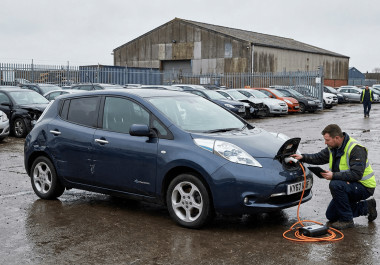
Logistics: Salvage units rarely drive off the lot. Buyers must budget for professional recovery services or commercial trailer hire, adding substantial geographical overheads.
-
Diligence: Thorough buyers factor in the time and expense of running independent background checks and acquiring replacement keys.
-
Documentation: Budgets must include DVLA fees for fresh V5C logbooks, new MOT certificates, and potential re-registration paperwork.
-
Insurance Premiums: Mainstream insurers often decline coverage for structural salvage. Specialist providers that accept the risk frequently charge elevated premiums compared to standard models.
Once these administrative and logistical expenses are aggregated, a seemingly cheap acquisition can quickly approach wholesale trade prices, narrowing the potential profit margin significantly.
How Retail Prices Reflect Hidden Value
Retail pricing structures incorporate margins for benefits that salvage buyers must manage entirely independently. A dealership selling a vehicle with a clean title has already absorbed the preparation costs and administrative hurdles.
A premium retail price includes a clean history file completely devoid of any insurance write-off marker. These vehicles typically feature a valid MOT, comprehensive service history, and a statutory warranty. The buyer can secure standard insurance rates instantly and liquidate the asset easily in the future. This administrative certainty commands a premium from private motorists who require immediate reliability.
Furthermore, retail dealerships assume the liability of background verification. They guarantee the mileage is accurate and ensure zero outstanding finance remains on the chassis. Trade buyers sourcing from auctions assume all of these verification responsibilities personally. The price disparity essentially represents the cost of convenience, liability transfer, and peace of mind.
Strategic Value of Category N Vehicles
Specific salvage classifications offer exceptional margins when approached with a disciplined strategy. Category N cosmetic damage represents a highly profitable sector for experienced bodyshops. A vehicle featuring heavily scratched side panels but a pristine powertrain can be repaired economically, particularly if the buyer sources recycled panels in matching factory colours from damaged cars for sale.
Older commercial fleet vehicles also present highly favourable acquisition metrics when executing a salvage vs retail value comparison. A twelve-year-old diesel van worth £4,000 on a retail forecourt might cross the auction block for £1,500. Because a salvage marker has a negligible impact on a heavily depreciated utility vehicle, executing an £800 repair yields a fully functional commercial asset for a fraction of the retail cost. Furthermore, executing a basic scrap my car strategy on an existing, unroadworthy fleet vehicle can generate immediate capital to fund these replacement acquisitions.
Automotive engineers frequently target salvage units strictly as parts donors. Securing a heavily damaged donor vehicle for £500 provides thousands of pounds worth of pristine interior trim, electronics, and transmission components. The functional parts are harvested for existing projects, and the remaining shell is processed for core weight.
When Retail Values Offer Superior Peace of Mind
Certain operational requirements dictate that paying premium retail rates remains the most sensible financial decision. If a business requires a commercial vehicle for immediate deployment, the weeks spent sourcing parts and executing repairs generate operational downtime that costs far more than the initial auction savings.
When dealing with prestige or luxury marques, analyzing the salvage vs retail value ratio often heavily favours clean-title acquisitions. A structural marker on a luxury SUV can permanently eradicate £15,000 from its resale value, making the repair economics unviable for anyone intending to resell the asset.
Financing availability is another critical restriction. Mainstream commercial lenders strictly avoid using structural salvage vehicles as loan collateral. While some specialist brokers finance non-structural salvage, the associated interest rates are notably aggressive. Buyers reliant on external capital must generally operate within the retail market.
Market Dynamics and Regional Supply
Price disparities between salvage and retail environments fluctuate constantly based on regional supply and seasonal demand. Currently, commercial light goods vehicles demonstrate significant auction discounts. Because many corporate fleets enforce strict policies prohibiting the use of repaired salvage, competition drops, creating excellent acquisition opportunities for independent buyers monitoring salvage vehicles auctions nationwide.
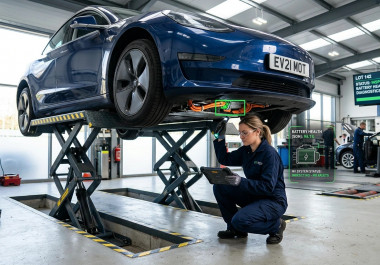
Modern electric vehicles present unique valuation challenges. Localised battery pack damage often triggers a total loss classification, even if the primary chassis remains immaculate. Due to the extreme cost of high-voltage component replacement, these units require highly specialized assessment. Conversely, data from car auctions uk indicates that seasonal recreational vehicles, such as motorcycles, maintain remarkably strong salvage values as they represent desirable winter workshop projects for enthusiasts.
The Documentation Factor and Paperwork
Administrative completeness influences vehicle valuations far more than most new buyers anticipate. A retail vehicle transitions with a complete V5C logbook, stamped service portfolio, and supplementary manuals. The entire mechanical history can be verified instantly.
Conversely, units acquired from uk van auctions frequently require administrative reconstruction. The V5C logbook is often retained by the insurer or destroyed, and the physical service history is rarely supplied with the lot. Buyers must dedicate administrative time to liaising with the DVLA to establish fresh documentation.
Consequently, a salvage unit accompanied by its original paperwork commands a measurable premium on the auction block. If trade professionals require clarification regarding missing documentation or platform buyer fees before proceeding, they should get in touch with our friendly team for expert guidance.
Conclusion
Executing a profitable acquisition strategy on platforms like RAW2K requires looking past the initial hammer price. Trade professionals must calculate every secondary expense, from logistical recovery fees to the permanent depreciation inflicted by historical markers. By aggregating every hidden cost, buyers can accurately determine whether the salvage route provides genuine commercial value.
Consistent success in the automotive trade demands strict adherence to mathematics over instinct. If an operation possesses in-house repair capabilities, the potential savings are substantial. However, relying entirely on outsourced mechanical labour rapidly eliminates any competitive auction advantage.
To research current market trends and apply these valuation strategies against real-world inventory, register for an auction account today and begin building a trackable bidding record.