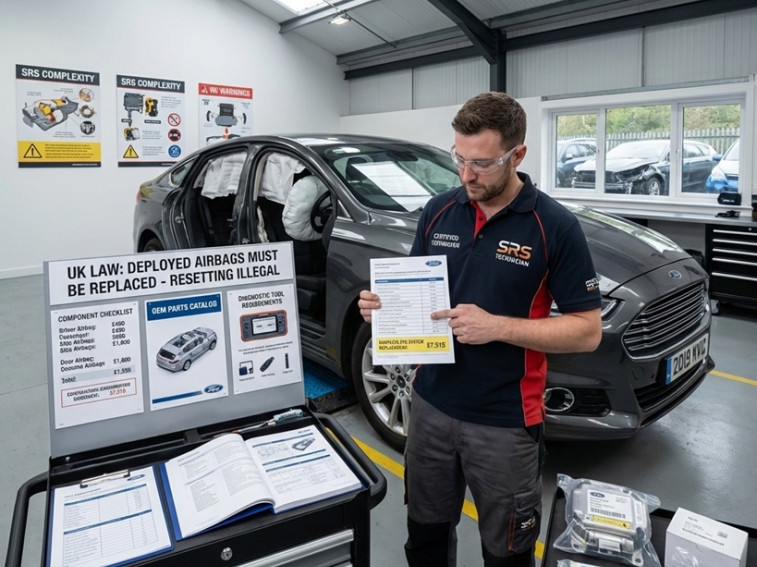
When considering a salvage vehicle purchase from auctions, one of the most critical yet frequently underestimated cost factors is the Supplemental Restraint System (SRS). The airbags, seatbelt pretensioners, and associated sensors are engineered as single-use safety devices, meaning any deployment necessitates complete replacement. For buyers unfamiliar with the complexity and expense involved in airbag replacements in salvage cars, these hidden costs can transform an apparent bargain into a financial burden. Understanding the scope of SRS work, sourcing genuine parts, and budgeting accurately are all fundamental steps to ensure your auction purchase remains profitable or personally satisfying.
Many auction buyers, particularly those new to the salvage market, mistakenly assume that resetting an airbag warning light is a simple diagnostic procedure. In reality, once an airbag deploys, the entire system must be systematically replaced, recalibrated, and legally certified before the vehicle can be considered roadworthy. This comprehensive guide explains what airbag safety for salvage vehicles entails, from initial damage assessment to final system verification.
The Anatomy of the Supplemental Restraint System
To fully appreciate the costs and complexity involved, it's important to understand what the SRS actually comprises. Modern vehicles don't just have one or two airbags; they often feature six to ten individual units positioned throughout the cabin. Each of these airbags is linked to a central control module that decides, in milliseconds, which units to deploy based on sensor input during a collision.
Key Components That Require Replacement
The primary components of an SRS system include the driver and passenger front airbags, side-impact airbags in the seats and door panels, curtain airbags along the roof line, and knee airbags beneath the dashboard. In addition to the airbags themselves, the system includes crash sensors positioned at strategic points around the vehicle, the seatbelt pretensioners (which tighten the belts during impact), and the central SRS control unit. If any of these components deploy or sustain damage, they must be replaced; there are no exceptions. This is why airbag replacements in salvage cars represent such a significant portion of the overall repair budget.
The Role of Crash Sensors and Control Modules
Crash sensors detect sudden deceleration and send signals to the control module, which then determines the severity and type of collision. Based on this data, the module selectively deploys specific airbags to protect occupants. Even in a relatively minor accident where only the front airbags deploy, the crash sensors and control module often require replacement because they've been subjected to forces outside their operational design limits. The control module itself can cost several hundred pounds, and sensors range from £50 to £200 each.
Mandatory Replacement Protocols and Legal Requirements
UK law is unambiguous about the replacement of deployed safety equipment. Attempting to reset fault codes without physically replacing airbags, sensors, and pretensioners is illegal and exposes you to serious liability should the vehicle be involved in a subsequent accident. For anyone investing in Category S vehicles with airbag deployment, compliance with these replacement protocols is not optional.
Why Second-Hand or Salvaged SRS Parts Are Unacceptable
Some buyers, seeking to cut costs, consider sourcing used airbags from scrap yards or salvage operations. This practice is extremely dangerous and potentially illegal. Airbags are designed to deploy once; even if a salvaged unit appears intact, its internal pyrotechnic charge may have degraded, or the folding of the fabric may have been compromised. There is no way to test or certify that a used airbag will function correctly, making it an unacceptable risk. Always use brand-new, OEM (Original Equipment Manufacturer) components for all SRS repairs salvage cars require. This ensures full functionality and maintains the vehicle's safety certification.
Certification and Documentation Requirements
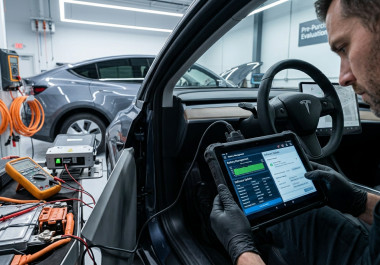
Once all SRS components have been replaced, the system must be recalibrated using manufacturer-specific diagnostic equipment. This process clears all fault codes and confirms that the control module is correctly communicating with each airbag and sensor through platforms like RAW2K. A professional repairer should provide a certificate detailing the work completed, the parts used (with serial numbers), and confirmation that the system is fully operational. This documentation is essential for insurance purposes and future resale value.
Cost Budgeting: Realistic Expectations for SRS Repairs
Underestimating the cost of SRS repairs required for salvage cars is one of the most common financial pitfalls in the auction market. A full system replacement can easily exceed £2,500 to £4,000, depending on the make, model, and extent of deployment. Luxury and high-performance vehicles often have even more expensive systems, sometimes reaching £6,000 or more. Accurate cost estimation is vital before placing your maximum bid.
Breakdown of Typical SRS Component Costs
Here's a realistic cost overview for a mid-range family saloon:
-
Driver Airbag: £300-£600
-
Passenger Airbag: £400-£800 (larger unit)
-
Side and Curtain Airbags: £200-£500 each (4-6 units)
-
Seatbelt Pretensioners: £100-£250 per seat (2-4 units)
-
Crash Sensors: £50-£200 each (4-6 sensors)
-
SRS Control Module: £300-£700
-
Labour: £500-£1,200 (specialist work)
When budgeting for sensor replacements for damaged vehicles, always add at least 20% contingency for unexpected issues like corroded wiring or damaged mounting points. For specific stock available through salvage vehicle auctions with deployed airbags, the costs can vary considerably based on the manufacturer.
Sourcing Genuine Parts and Managing Supply Chains
One of the practical challenges with SRS replacements is the availability and lead time for OEM parts. Popular models usually have readily available stock, but older or rare vehicles might require parts to be ordered directly from the manufacturer, which can take weeks. This delay affects your project timeline and holding costs.
Working with Authorised Dealers and Suppliers
Always source SRS components from authorised dealers or directly from the manufacturer. Online marketplaces offering "genuine" parts at suspiciously low prices are often selling counterfeit units that will not deploy correctly. Check the part numbers against the vehicle's VIN (Vehicle Identification Number) to confirm compatibility. Building relationships with reputable parts suppliers streamlines future projects and ensures you receive reliable components.
Understanding Import and Shipping Considerations
For buyers sourcing parts internationally, be aware of import duties, shipping costs, and potential delays at customs. These factors add both time and expense to the project. Where possible, prioritise UK or European suppliers who can guarantee next-day delivery and offer proper warranties. For projects based in regions with strong automotive supply networks, sourcing can be significantly faster when vehicles are collected from sites across nationwide auction locations.
Professional Installation and Calibration
SRS installation is not a DIY task unless you possess specialist training and diagnostic equipment. Incorrect installation or calibration can result in airbags that fail to deploy or, equally dangerous, deploy inadvertently. Professional installation is a legal and practical necessity.
Choosing the Right Workshop
Select a workshop that is certified to work on SRS systems and has the correct diagnostic tools for your vehicle's make and model. The garage should provide a detailed written estimate before commencing work and offer a warranty on both parts and labour. Ask to see their accreditation and insurance coverage. A reputable workshop will be transparent about the process and happy to answer your technical questions about airbag safety for salvage vehicles.
Post-Installation Testing and Verification
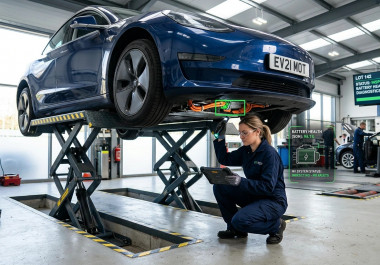
Once installation is complete, the workshop should perform a series of tests to confirm system integrity. This includes checking that all airbag warning lights function during the ignition cycle and then extinguish, verifying that no fault codes remain in the control module's memory, and simulating sensor input to confirm the system responds correctly. Request a copy of the diagnostic report for your records.
Learning from Real-World Experience
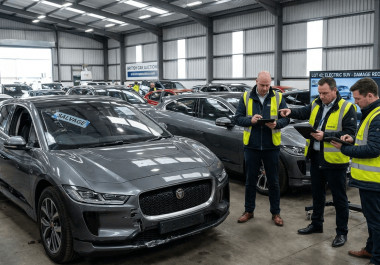
A dealer based in the Midlands recently shared his experience with underestimating SRS costs. Chris purchased what appeared to be a straightforward Cat N vehicle with cosmetic damage. The listing mentioned the airbags had deployed, but he assumed it was just the driver and passenger units. Upon inspection, he discovered that the side, curtain, and knee airbags had also deployed, along with all four seatbelt pretensioners. The final bill for parts and labour reached £3,800, consuming nearly all the margin he'd calculated for the project. Since that experience, Chris now budgets £4,000 minimum for any vehicle with confirmed airbag deployment, regardless of what the listing states.
The complexity and cost of airbag replacements in salvage cars make thorough pre-purchase research absolutely essential. By understanding the full scope of SRS work, sourcing genuine parts, and budgeting realistically, you protect yourself from costly surprises through salvage car auction listings. Never compromise on safety system repairs; the consequences are simply too severe.
Approach each salvage purchase with diligence, knowing that airbag safety for salvage vehicles is paramount. For questions about the auction platform or your account, contact support. Ready to apply this knowledge? Register now to explore opportunities with a complete understanding of the costs involved.