Timing matters more than most buyers realise when hunting for salvage vehicles. Experience in the motor trade demonstrates that the calendar affects prices as much as condition does, and sometimes more. One would not plant tomatoes in December, and buyers should not expect the same market conditions in July that are prevalent in January.
The salvage market breathes with the seasons. Demand shifts, supply changes, and prices follow established patterns. Understanding these fluctuations means the difference between overpaying for a repair project and securing excellent value. When buyers grasp how summer vs winter salvage prices diverge, they gain a strategic advantage most participants never develop.
Why Seasons Affect Salvage Car Prices
Weather patterns directly influence accident rates across the UK. Winter brings ice, fog, and reduced visibility, which are conditions that keep insurance assessors busy and salvage yards full. These accident rate fluctuations mean more write-offs entering the market, and basic economics dictates the resulting vehicle scrap value.
Summer sees fewer weather-related incidents but a surge in leisure driving. Holiday traffic creates its own accident patterns, though typically less severe than winter collisions. The type of damage changes too, as summer incidents often involve cosmetic damage from car park mishaps rather than structural issues from motorway pile-ups. Understanding this distinction helps buyers anticipate which damage categories will dominate each season's inventory.
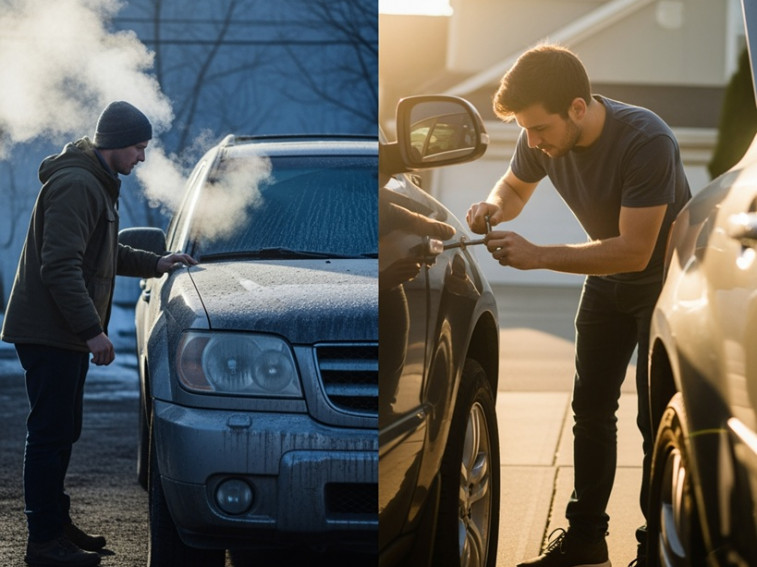
Buyer behaviour shifts dramatically between seasons, particularly concerning repair project timing. DIY mechanics prefer working on projects during warmer months when they can leave bonnets open comfortably. Professional traders, however, know winter is when the most lucrative opportunities present themselves.
Market data shows that during December auctions, perfectly solid premium saloons are often ignored because the crowd assumes winter salvage means severe rust or flood damage. Such vehicles frequently sell for significantly less than they would fetch in May, simply because attendance is thinner and the weather is poor. Sometimes, braving uncomfortable conditions pays dividends.
Winter: The Peak Season for Salvage Supply
December through February floods the salvage market with vehicles. Black ice claims dozens of cars on a single morning. Freezing fog creates multi-vehicle collisions that generate numerous write-offs from one incident. Insurance companies process these claims rapidly, pushing weather-related write-offs into salvage vehicle auctions faster than buyers can absorb them.
The sheer volume overwhelms demand. When three times the normal number of salvage cars hit the market simultaneously due to accident rate fluctuations, prices drop. Sellers need to clear stock before spring arrives and yard space becomes critical. This is when savvy buyers secure off-season pricing that simply does not exist during warmer months.
January presents particular opportunities. Post-Christmas budgets are tight, meaning fewer private buyers compete at auctions because disposable income has been spent. Trade buyers dominate, but even they are more selective after the festive slowdown.
Winter salvage often carries an unfair stigma. While some vehicles suffer flood damage or salt corrosion, plenty of winter write-offs are simply victims of a momentary lapse on a frosty roundabout resulting in mechanically sound cars with repairable panel damage. Seasonal salvage buying becomes profitable when buyers distinguish between legitimate concerns and exaggerated fears.
Summer: Higher Prices but Better Working Conditions
June through August sees salvage prices climb steadily. Supply tightens as accident rates drop. Demand increases because hobbyist buyers return to the market, aligning their repair project timing with decent weather. Competition pushes prices upward, sometimes by 15-20% compared to winter lows.
The quality mix changes too. Summer salvage typically includes more theft recoveries and cosmetic damage cases. These specific salvage categories often need less structural work, making them highly attractive to DIY buyers. That attractiveness translates directly into higher bidding. Seasonal salvage buying during summer means accepting premium pricing for potentially better-condition stock.
Working conditions justify premium prices for some buyers. Replacing a clutch on a driveway is miserable in February but manageable in July. Many amateur mechanics factor this into purchasing decisions, accepting higher acquisition costs in exchange for comfortable working temperatures.
Professional buyers take the opposite approach. Operating in heated workshops, they are unaffected by weather. Summer is when professionals often pull back, letting enthusiastic amateurs drive prices up while they wait for autumn's return.
Spring and Autumn: The Transition Periods
March through May offers a middle ground. Prices rise from winter lows but have not reached summer peaks. Supply remains reasonable as lingering winter write-offs clear through the system. Weather improves enough for outdoor work without the summer premium. This represents the sweet spot for budget-conscious buyers willing to leverage off-season pricing.
April particularly deserves attention. Tax refunds hit bank accounts, providing private buyers with fresh capital. However, auction attendance has not reached summer levels yet. Buyers find decent selection without extreme competition, assuming they move quickly on salvage motorbike auctions or car listings. Understanding seasonal salvage buying rhythms means recognising April's unique position in the annual cycle.
September through November creates another opportunity window. Summer holidaymakers return to normal routines. Auction attendance drops slightly as people refocus on work and school schedules. Prices soften from summer highs but have not crashed to winter levels.
Historical data confirms this shift. A hatchback with minor front-end damage sold in October routinely fetches less than an identical vehicle sold in August. The mileage, damage pattern, and specification might be identical; the only difference is the calendar and a shift in buyer psychology.
These transition periods suit buyers who cannot wait for winter but refuse to pay summer premiums. It involves trading maximum savings for convenience and better working conditions, which is a reasonable compromise for many situations.
Vehicle Type Matters More Than You'd Think
Convertibles and sports cars follow their own calendar. Prices peak in April and May as buyers anticipate summer driving. By September, these vehicles sell for 10-15% less as enthusiasm wanes. Winter brings the deepest discounts, as demand for open-top driving vanishes in January, drastically affecting the balance of summer vs winter salvage prices for this specific category.
Immaculate roadsters frequently sit unsold at winter auctions while rusty examples fetch strong bids in spring. Timing a purchase to match seasonal psychology saves serious capital on specific vehicle types.
Four-wheel-drive vehicles and SUVs buck the standard trend. Demand actually increases heading into winter as buyers prepare for harsh conditions. A 4x4 that struggles to find buyers in July might attract competitive bidding in November. Buyers targeting these categories or seeking salvage motorhome auctions must plan accordingly.
Commercial vehicles maintain relatively stable pricing year-round. Businesses need commercial stock regardless of the season. Slight winter discounts exist due to overall market softness, but dramatic swings seen with passenger cars are rare.
Regional Variations Across the UK
Scotland and Northern England see more pronounced winter effects. Harsher weather produces more weather-related write-offs and deeper price drops. A January auction in Newcastle might offer better value than one in Southampton simply because local conditions generate more supply.
Coastal areas deal with salt corrosion year-round, but winter amplifies the issue. Salvage vehicles from these regions need extra scrutiny regardless of the season. Savings might look tempting until severe chassis corrosion is discovered. Regional understanding helps evaluate whether seasonal savings truly represent good value.
London and the Southeast maintain steadier pricing. Higher population density creates consistent demand that cushions seasonal fluctuations. Better winter deals exist, but the gap narrows compared to regional markets.
Travelling for the right vehicle is often worthwhile. Fuel costs and a day's time investment pay for themselves when saving significantly on the purchase price. Exploring regional markets frequently uncovers winter bargains that do not exist locally.
What Professional Traders Know
Trade buyers stockpile during winter lulls to maximise off-season pricing. They possess storage space and capital to tie up inventory until spring demand returns. This strategy requires resources most private buyers lack, but understanding it helps level the playing field.
When bidding against a trader in January, it is vital to remember they are calculating spring resale value minus storage costs. Private buyers calculate immediate use value. Different calculations mean a private buyer can sometimes outbid a trader and still secure a vehicle based on their own metrics.
End-of-month timing creates additional opportunities. Salvage yards need to hit monthly clearance targets. The last week of January or February often brings extra motivation to accept lower bids. Combining this with seasonal effects creates optimal conditions for securing value.
Professional traders also monitor insurance company patterns. Some insurers batch-process claims, dumping multiple vehicles into bulk availability simultaneously. These mini-gluts create temporary price dips even within favourable seasons.
How to Capitalise on Seasonal Pricing
Purchases must align with actual needs and capabilities. Buying in January saves money, but only if the buyer has dry storage and the skills to tackle winter repairs, allowing for optimal repair project timing. A summer purchase that can be completed beats a winter bargain that sits deteriorating on a driveway.
Setting price alerts and monitoring salvage car inventory across seasons is highly recommended. Patterns specific to target vehicle types and regions quickly become apparent. Modern platforms make this monitoring straightforward with daily listings and category filters.
Budgeting must encompass the complete project, not just acquisition costs. A winter bargain might need immediate rust treatment before conditions worsen. Summer purchases allow deferring some work until the budget recovers. Factor these timing considerations into total cost calculations.
Partnering with someone who has complementary resources is a strong strategy. A buyer with mechanical skills but no heated workspace partnering with someone possessing a garage creates a natural advantage. Splitting the savings from a winter purchase benefits both parties.
Common Mistakes to Avoid
Dismissing all winter salvage as poor condition is a critical error. Many buyers skip winter auctions entirely, missing legitimate opportunities. While flood damage and corrosion exist, thousands of weather-related write-offs simply slid on ice and require only minor panel work.
Inspecting everything regardless of the season is mandatory. Summer salvage can hide severe mechanical faults just as easily as winter vehicles hide corrosion. The calendar affects pricing, not the importance of due diligence. Whether analysing summer vs winter salvage prices, thorough assessment matters equally.
Buying beyond personal capabilities simply because prices are low leads to significant losses. A cheap winter bargain requiring extensive structural repair is rarely a good investment. Seasonal discounts should enhance value on vehicles the buyer can actually restore, not tempt them into unmanageable projects.
Storage and insurance costs must not be forgotten. Buying in winter to resell in summer sounds clever until six months of storage fees and insurance premiums are calculated. Projected profit margins must cover these hidden costs.
The Reality Check Nobody Mentions
Seasonal pricing patterns are real, but they are not absolute guarantees. Overpriced units appear in January, and excellent value surfaces in July. Market conditions, individual vehicle condition, and accident rate fluctuations play significant roles alongside seasonal trends.
Buyers fixating so heavily on timing often miss obvious warning signs about specific vehicles. The calendar might suggest lower prices, but that does not mean every individual lot represents good value. Critical thinking must remain engaged regardless of the month.
Some years break the pattern entirely. A mild winter with few accidents means less supply and firmer prices. Economic shifts can suppress summer demand. Seasonal trends should be used as one factor among many, not as absolute rules that override comprehensive assessment.
Making Your Decision
Winter offers the lowest salvage prices for most vehicle types in most UK regions. For buyers with the skills, workspace, and capital to buy and hold, January and February present optimal opportunities. Expect noticeable savings compared to summer pricing on comparable vehicles. Understanding summer vs winter salvage prices gives buyers a distinct tactical advantage.
Summer brings higher prices but better working conditions and often better-quality salvage. For hobbyists who value comfortable working temperatures and less weather-related damage, the premium frequently proves worthwhile.
Spring and autumn split the difference. Buyers sacrifice maximum savings but gain flexibility and reasonable working conditions. These transition periods suit those who cannot wait for winter but refuse to pay summer peaks.
The best time to buy salvage is ultimately when the right vehicle appears at a price that makes sense for a specific situation. Seasonal trends guide strategy, but individual opportunities drive decisions. Stay flexible, conduct thorough research, and do not let the calendar override common sense.
Browsing platforms like RAW2K provides visibility into seasonal availability year-round. Value appears constantly for buyers who know what they are looking for and act decisively.
Conclusion
The salvage market rewards patience, market knowledge, and strategic timing. Understanding how the seasons affect purchasing power is a fundamental skill for successful bidding. When buyers leverage this knowledge correctly, they secure deals that uninformed participants consistently miss.
Capitalising on these market shifts requires preparation. By completing salvage auction registration early, buyers ensure they are ready to bid the moment the right seasonal opportunity aligns with their strategy.
For additional guidance on seasonal bidding patterns or assistance managing an active account, please feel free to get in touch.