There's a certain magic about cars and motorcycles built before the world wide web became commonplace and vehicle design started to smooth out into aerodynamic efficiency. Think boxy saloon cars, quirky hatchbacks, chrome-laden cruisers, and bikes with proper round headlamps and analogue dials. For many, these aren't just old vehicles; they're time capsules, mechanical storytellers, and tangible links to a bygone era.
This fascination fuels a significant group you'll often find browsing the lots at places like RAW2K, the vintage enthusiasts. They're on a specific mission: the hunt for pre-1990s auction classics. They might be looking for a specific model from their youth, a vehicle to lovingly restore, a potential investment, or simply something with character that stands out from the modern motoring crowd on their retro ride quest.
Perhaps you're a business owner yourself, accustomed to the cut-and-thrust of commerce and modern logistics. You might wonder why someone would invest time, money, and effort into a vehicle that likely requires more maintenance than your reliable company van. But the pull of these older machines is potent. It's about more than just transport; it's about history, mechanics you can often understand and tinker with yourself, and joining classic ownership communities of like-minded individuals who appreciate craftsmanship and design from a different age.
I recall a friend, a successful architect, who spent his weekends hidden away in his garage, meticulously restoring a 1970s Triumph Stag. He'd come into work on Monday morning, hands still faintly smelling of oil and polish, a relaxed smile on his face that you rarely saw during a tense client meeting. For him, it was the ultimate escape – a tactile, physical challenge away from the digital world. He found the car at an auction, seeing past the surface grime to the potential beneath. That's the spirit of the vintage enthusiast.
So, who are these seekers of yesteryear? They come from all walks of life, united by a shared appreciation for the vehicles of the pre-1990s. And for them, auctions, like the diverse offerings you find on the main RAW2K, represent a prime hunting ground.
The Thrill of the Chase: Why Auctions for Your Retro Ride Quest?
When you're on a retro ride quest, there are several avenues you might explore. You could scour online classifieds, visit specialist dealers, or perhaps stumble upon a barn find through word-of-mouth. But auctions offer a unique blend of advantages, especially for the seasoned or aspiring vintage buyer.
Firstly, variety. Auction houses, particularly those handling a high volume and diverse range of vehicles like RAW2K's extensive vehicle auctions, present a constantly changing inventory. You might find anything from a rusty but rare pre-90s hot hatch project car tucked away in a corner to a surprisingly well-preserved classic saloon ripe for daily driving. This variety increases your chances of finding that specific model you've been dreaming of or discovering a forgotten gem you hadn't even considered. It's like a treasure hunt where the treasure changes every week.
Secondly, potential value. Whilst specialist dealers often have highly curated and priced collections, auctions can offer the chance to acquire a vehicle at a more competitive price, especially if you know what you're looking for and are prepared to put in some work. Distress sales, repossessions, or vehicles from estates often end up at auction, providing opportunities for buyers who can spot potential beyond cosmetic flaws.
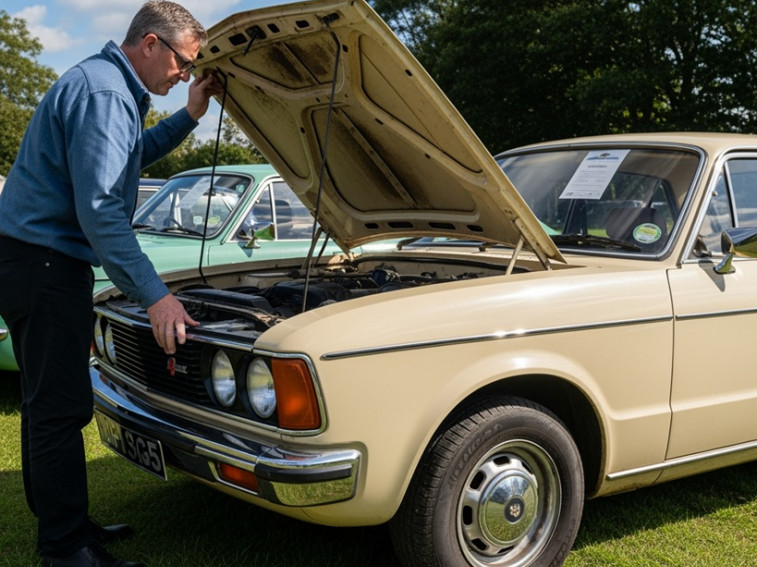
Thirdly, transparency (with caveats). Reputable auction houses provide viewing periods, allowing you to inspect vehicles before the bidding starts. Whilst you typically can't take a classic for a test drive around the block, you can look under the bonnet, check the interior, examine the sills for rust, and get a general feel for the vehicle's condition through vintage vehicle inspection. This is crucial for pre-90s cars, where age and previous care (or lack thereof) are significant factors.
However, it's not without its challenges. Buying at auction, particularly older vehicles, requires a degree of knowledge and a clear-headed approach. It's easy to get caught up in the excitement and overbid or overlook potential problems. This is where preparation and a clear understanding of what you're buying come into play.
Whether you're hoping to find a sturdy old Land Rover for farm work, a quirky Citroën 2CV, a classic British roadster, or perhaps even an older motorbike from the motorcycle auctions, the auction floor (or online auction platform) is where possibilities converge.
Know Thy Quarry: Identifying Pre-1990s Auction Classics
What exactly defines a pre-1990s auction classic? It's a broad church, covering vehicles manufactured anywhere from the dawn of motoring up to the end of 1989. This encompasses a vast array of marques, models, and styles.
For some, 'classic' means a vehicle with significant historical importance, rarity, or value – think Jaguars from the 60s, iconic Aston Martins, or early Porsche models. For others, it's about nostalgia – the Ford Escort your dad drove, the VW Golf your mum had, the Vauxhall Cavalier that was everywhere on the roads, or the first car you ever owned.
The pre-1990s period saw massive shifts in automotive technology and design.
Pre-War Classics (before 1940s): These are often collector's items, requiring specialist knowledge and significant investment. You might see models from Austin, Morris, Rolls-Royce, Bentley, etc. These pre-war automotive classics represent the earliest era of motoring and are among the most sought-after pre-1990s auction classics.
Post-War to 1960s: A golden age for British motoring, with iconic models from manufacturers like Mini, MGB, Triumph, and early Ford models becoming popular. American cars from this era with their large fins and chrome are also highly sought after.
1970s: A decade of change, bringing us hot hatches like the Golf GTI, reliable Japanese imports starting to gain traction, and continued evolution of European and British designs. Think Ford Capri, Datsun 240Z, or the Citroën SM.
1980s: The era of sharper lines, more electronics creeping in, and the rise of performance variants. Icons include the Peugeot 205 GTI, BMW E30 3 Series, and the Sierra Cosworth. This decade also saw the refinement of luxury saloons and the increasing popularity of Japanese reliability.
Understanding these eras and the typical characteristics, common issues, and desirability of vehicles from each is key to a successful retro ride quest. Websites like RAW2K provide details and images for each lot, but knowing what to look for beyond the photos is crucial.
The Nitty-Gritty: What to Scrutinise When Viewing Older Vehicles
Okay, let's get practical. You've spotted a potential pre-1990s auction classic in the online catalogue or at a viewing day. How do you assess its true condition through proper vintage vehicle inspection? This is where your inner detective needs to come out. Forget the gleaming paintwork for a moment and look closer.
Rust, the Arch Nemesis: This is often the biggest killer of older vehicles, especially in the UK's damp climate. Check the sills, wheel arches, boot floor, inner wings, door bottoms, and around window frames. Bubbling paint is a warning sign. Get down on your knees (if allowed and safe) and look underneath at the chassis, floor pan, and suspension mounting points. Surface rust might be manageable, but structural rust means potentially extensive and expensive classic car restoration projects.
Engine and Mechanicals: Pop the bonnet. Does the engine bay look relatively clean, or is it covered in layers of grease and grime? Look for obvious leaks (oil, coolant, brake fluid). Check the condition of hoses and belts – do they look perished or new? Whilst you can't usually start the engine at a public viewing, check the oil and coolant levels (if possible). Look at the exhaust system – is it rusty or blowing?
Interior Condition: Seats, carpets, dashboard, headlining – these all tell a story about how the car has been treated. Rips, tears, excessive wear, or persistent damp smells can indicate neglect or underlying issues like leaks. Check if all the dials and switches are present (even if you can't test if they work).
Paperwork and History: This is gold for a vintage vehicle. Is the V5C (logbook) present and does it match the car's VIN? Are there any old MOT certificates or service records? These can provide valuable insights into the car's mileage (though odometer readings on older cars should be treated with caution unless verified) and maintenance history. A stack of old invoices, even for minor work, shows someone cared for the vehicle. No paperwork should raise a red flag.
Structure and Alignment: Stand back and look at the car's overall stance. Does it sit level? Are the panel gaps even? Uneven gaps or misaligned panels can indicate previous accident damage. Open and close the doors, boot, and bonnet – do they open and close smoothly or do they sag/catch?
Tyres and Brakes: Whilst easily replaceable, the condition of the tyres can hint at how the car has been stored or used. Look for cracking or perishing. Check the brake discs/drums if visible – are they heavily corroded or worn?
It sounds like a lot, doesn't it? But with a bit of practice, you can quickly assess the major points. Bringing a knowledgeable friend, someone who understands older cars, is always a wise move on your retro ride quest.
Setting Sail (and Budget) on Your Retro Ride Quest
Finding a pre-1990s auction classic requires not just a keen eye, but also a realistic budget and a clear strategy. It's easy to get caught up in the emotion, but sticking to your financial limits is paramount.
Before you even head to the viewing or log into the online auction, decide on your maximum bid, including auction fees (buyer's premium, etc.). Do your research beforehand on the typical value of the specific model you're interested in, factoring in its condition. Websites, owners' clubs, and classic car publications can provide pricing guides. Remember that auction prices can fluctuate based on desirability on the day.
Consider not just the purchase price, but the potential costs down the line for classic car restoration projects. An older car will almost certainly require some work, even if it appears to be in good condition. Factor in potential costs for:
-
Servicing and maintenance (older parts can be harder to find and more expensive)
-
Repairs (especially rust treatment or mechanical overhauls)
-
Insurance (can vary greatly depending on the vehicle's age and value)
-
Storage (a dry garage is essential for preserving a classic)
-
Potential restoration costs (if you're buying a project)
Having a buffer in your budget for unexpected issues is always a good idea when buying older vehicles. A low purchase price can quickly become expensive if significant work is required.
Think about your own skills and resources. Are you a keen DIY mechanic, or will you need to pay for all work to be done professionally? This will significantly impact your ongoing costs. If you're a business owner skilled in logistics, perhaps sourcing parts or arranging transport is easy for you. If your business involves mechanics or restoration, a project car might even align with your professional skills.
RAW2K offers vehicles at various locations across the UK – from South East to Scotland, Wales to Northern Ireland. Factor in the cost and logistics of collecting the vehicle if you win the bid, especially if it's not local to you. Transporting a non-running classic requires specialist recovery.
Setting a realistic budget and factoring in potential future expenses will help ensure your retro ride quest remains an enjoyable pursuit rather than a financial headache.
The Auction Floor (or Screen): Making Your Bid
You've done your research, inspected the car, set your budget – now it's time for the auction itself. Whether attending in person or bidding online via RAW2K, the atmosphere can be exciting and fast-paced.
If you're new to auctions, it's a good idea to attend one or two just to observe before you plan to bid. Get a feel for how the auctioneer operates, the pace of bidding, and how quickly lots are processed.
Understand the auction house's specific rules and terms and conditions. Pay close attention to the buyer's premium and any other fees that will be added to the hammer price. These can significantly increase the final cost. Know the payment terms and collection deadlines. Auction houses typically require prompt payment and collection.
When bidding, stay calm and stick to your pre-determined maximum. It's easy to get caught up in a bidding war, especially if two or more enthusiasts are after the same rare pre-1990s auction classic. Have a bidding strategy – will you bid in increments, or jump higher to try and scare off competition (a risky tactic)?
For online auctions, ensure you have a stable internet connection and understand the online bidding interface. Online auctions can move just as quickly as physical ones.
If you are successful and win the bid, congratulations! You've taken a significant step on your retro ride quest. You'll then need to complete the paperwork, arrange payment, and organise collection within the specified timeframe. If the vehicle is a project, planning its transport to its new home or workshop is the next step.
Beyond the Purchase: The Joys and Challenges of Owning a Pre-90s Classic
Acquiring a pre-1990s auction classic is just the beginning of the adventure. Owning and maintaining an older vehicle is a different experience to modern motoring.
For enthusiasts, this is part of the joy. You'll likely spend time tinkering, learning about the mechanics, and getting your hands dirty. There's immense satisfaction in fixing something yourself, understanding how a seemingly complex system from decades ago actually works. This can even be a therapeutic escape from the pressures of running a business. Imagine spending a Saturday morning tuning a classic engine instead of answering emails – a different kind of productivity!
Finding parts can sometimes be a challenge, though the internet and specialist suppliers have made it easier than it once was. Classic ownership communities are invaluable resources for technical advice, sourcing parts, and connecting with others who share your passion. The community aspect of classic car ownership is a huge draw for many. Attending rallies, shows, and club meets allows you to share experiences, admire other vehicles, and learn from seasoned enthusiasts.
Running a classic as a daily driver is possible for some robust models, but many are best kept for weekend drives or special occasions. They often lack modern safety features, require more frequent maintenance, and can be less fuel-efficient than contemporary cars. However, the feeling of driving something with character, something that turns heads and starts conversations, is unparalleled.
For those with a business mindset, a successful retro ride quest might even open up new opportunities. Restoring classics for profit, dealing in classic parts, or even offering maintenance services for specific marques are all potential ventures. The diverse range of vehicles passing through RAW2K's auctions – including vans and motorcycles from various eras – could even provide a source for such business activities, whether it's a restoration project or simply sourcing affordable parts from an end-of-life vehicle.
The journey with a pre-90s classic is ongoing. It's about maintenance, occasional repairs, and continuous learning. But for the dedicated enthusiast, it's a rewarding hobby that provides a tangible connection to automotive history.
Raw2k: A Starting Point for Your Vintage Vehicle Ambitions
Whether you're a seasoned collector, a first-time classic buyer, or perhaps a business looking to source interesting vehicles or parts, auctions like those held by RAW2K offer a compelling avenue for your retro ride quest.
With auctions covering different regions across the UK, from the North East and North West down to the West Midlands and beyond, you have numerous opportunities to find that specific pre-1990s auction classic you've been searching for.
Whilst RAW2K handles a wide range of vehicles, including modern cars, commercial vehicles, and motorcycles, our inventory often includes older models that fall squarely into the classic category. These might be vehicles from insurance write-offs (Category S or N) that are perfect for classic car restoration projects, or simply older vehicles being sold on.
Exploring their listings allows you to see the variety available and begin to identify models that fit your interests and budget. Remember the viewing advice we discussed – apply it diligently, even when reviewing detailed online listings and images.
If you have questions about the auction process, specific lots, or need guidance on navigating the platform, the team at RAW2K is there to help. Don't hesitate to get in touch for support. Building a relationship with the auction house can also be beneficial in your long-term search.
Conclusion
Embarking on a retro ride quest is a journey filled with anticipation, learning, and the potential for immense satisfaction. Finding and acquiring a pre-1990s auction classic can open up a new world of hobbies, skills, and community through classic ownership communities. It's about preserving a piece of automotive history and enjoying the unique character that only vehicles from that era possess. Good luck with your hunt!