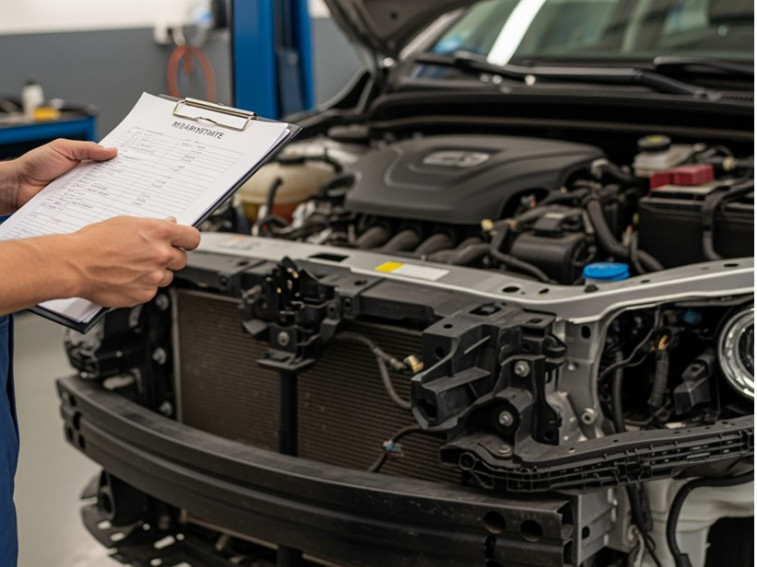
The real expense of buying and repairing a salvage vehicle extends far beyond what most buyers anticipate. Salvage vehicles sell for 20-60% below market value, but that discount rarely tells the full story. A £15,000 BMW that costs £6,000 at auction might need £8,000 in repairs, £500 in inspection fees, and hours of work to pass an MOT. By the time you finish, salvage car costs have climbed to £14,500 for a car with a salvage title that's worth £10,000 on the open market.
We've tracked hundreds of salvage purchases through our online vehicle sales platform, and the pattern repeats: buyers focus on the purchase price and underestimate everything that comes after. Understanding what actually happens when you buy and repair a salvage vehicle is essential before committing to this financial decision. Here's what actually happens when buying and repairing salvage vehicles, backed by real numbers from UK buyers.
What "Salvage" Actually Means for Your Wallet
Insurance companies write off vehicles in categories A, B, S (formerly C), and N (formerly D). Categories A and B go to scrap - you can't legally repair and drive them. Categories S and N return to roads, but each carries different cost implications that significantly affect salvage car costs.
Category S vehicles suffered structural damage to the frame, chassis, or crumple zones. These need professional repair and a VIC (Vehicle Identity Check) before re-registration. The challenge of salvage vehicle repair for Category S cars means average repair costs run £4,500-£12,000 depending on the damage extent and vehicle type.
Category N vehicles sustained non-structural damage - think electrical systems, interior, or cosmetic panels. Salvage repair costs typically range £1,500-£5,000 for these vehicles. These don't require a VIC, but you'll still need an MOT if the vehicle is over three years old.
A 2022 analysis of 500 salvage sales showed Category S vehicles selling at 55-70% below market value, while Category N vehicles fetched 30-45% below market. That discount exists because future buyers will pay less for a vehicle with salvage history, even after perfect repairs.
The Purchase Price is Just the Start
Auction fees add 10-15% to your winning bid. A £5,000 vehicle costs £5,500-£5,750 before you've touched it. Then comes transport - expect £100-£300 depending on distance and whether the vehicle rolls.
Storage fees accumulate if you can't immediately move the vehicle. Most auction houses charge £15-£25 per day after a 3-5 day grace period. A week's delay costs £150.
We've seen buyers save £200-£400 by arranging transport before bidding and collecting within 48 hours. Plan logistics before you bid, not after.
Understanding the Full Fee Structure
Beyond the obvious auction fees, buyers often encounter additional charges that inflate salvage car costs:
Administration fees: £50-£100 for paperwork processing and title transfer documentation. Some auction houses bundle these into buyer's fees, whilst others charge separately.
Payment processing fees: Credit card transactions often incur 2-3% charges. On a £8,000 purchase, that's £160-£240. Bank transfers typically avoid these fees but require advance planning.
Collection charges: If you can't collect within the grace period, expect vehicle movement fees of £75-£150 to relocate the car within the auction site or to a collection point.
These seemingly minor charges add £300-£500 to your total investment - money that could otherwise fund repairs.
Hidden Damage Costs More Than Visible Damage
A crumpled bonnet and smashed headlight are obvious. The bent subframe and damaged sensors underneath aren't. Modern vehicles pack electronics throughout - a front-end collision that looks cosmetic often damages:
-
Parking sensors: £150-£400 per sensor
-
Adaptive cruise control radar: £800-£1,500
-
Front-facing cameras: £300-£900
-
Wiring harnesses: £200-£600 in parts, 4-8 hours labour
One buyer purchased a 2019 Mercedes C-Class with front-end damage for £12,000 - excellent price for a £32,000 car. Visible repairs (bumper, bonnet, headlights) cost £2,800. Hidden damage to the radar system, camera, and wiring added £3,200. Total repair bill: £6,000, bringing his investment to £18,000 for a vehicle now worth £22,000 with a salvage title, or £26,000 without one.
The Electronics Factor in Modern Vehicles
Modern vehicles contain 50-150 electronic control units (ECUs) managing everything from engine performance to seat adjustment. A seemingly minor impact can affect multiple systems:
ADAS (Advanced Driver Assistance Systems): Lane departure warning, automatic emergency braking, and blind spot monitoring all rely on cameras and sensors easily damaged in collisions. Recalibration alone costs £150-£400, and that assumes no component damage.
Connectivity modules: Integrated infotainment systems with navigation, Bluetooth, and smartphone integration often fail after impacts. Replacement units cost £400-£1,800 depending on vehicle make.
Climate control: Dual-zone or tri-zone climate systems use multiple sensors and actuators. Front-end damage frequently affects these components, adding £200-£600 to salvage repair costs.
Diagnostic time adds up too. Tracing intermittent electrical faults takes 2-4 hours at £45-£120 per hour. That's £90-£480 just to identify problems, before fixing anything.
Labour Costs Vary Wildly by Vehicle Type
Mainstream manufacturers keep repair costs manageable. A Ford Focus or Vauxhall Astra uses widely available parts and any competent technician can work on them. Budget £45-£65 per hour for labour.
Premium and luxury brands multiply costs:
-
BMW, Audi, Mercedes: £75-£120 per hour, specialist knowledge required
-
Jaguar, Land Rover: £85-£130 per hour, frequent electronic complications
-
Porsche, Maserati: £120-£180 per hour, limited technician availability
A door replacement on a Ford takes 3-4 hours. The same job on a Range Rover takes 5-7 hours due to complex electronics, calibration requirements, and trim pieces that don't simply bolt on.
The Specialist Tool Factor
Many modern vehicles require manufacturer-specific diagnostic equipment and programming tools. Independent garages without these tools must subcontract to dealers or specialists, adding layers of cost and delay.
German manufacturers (BMW, Mercedes, Audi, VW) often require coding and adaptation after component replacement. A replacement headlight needs programming to match the vehicle's VIN. Cost: £80-£150 per component.
Land Rover and Jaguar require manufacturer diagnostic tools for suspension calibration, electronic parking brake registration, and numerous other procedures. Access to these systems costs garages £3,000-£8,000 annually, costs they pass to customers.
Tesla and other EVs require specific training and tools. Many insurers void coverage if non-approved workshops perform repairs, forcing you to manufacturers or approved specialists charging premium rates.
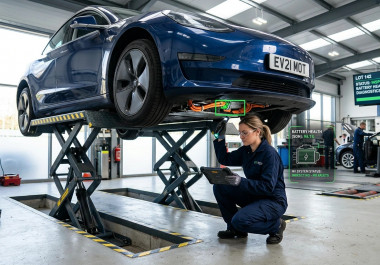
Electric and hybrid vehicles add another cost layer. Battery damage assessment alone runs £300-£600, and many independent garages won't touch high-voltage systems. You're limited to main dealers or specialist EV technicians charging premium rates.
Parts Availability Makes or Breaks Profitability
Popular models like the Ford Fiesta, Volkswagen Golf, or BMW 3 Series have robust aftermarket support. You'll find quality used parts, pattern parts, and genuine parts readily available. A Fiesta wing costs £80-£150 used, £120-£200 pattern, £280-£350 genuine.
Rare or newer models create sourcing nightmares. We tracked a buyer who purchased a 2020 Alfa Romeo Giulia Quadrifoglio for £22,000 (retail value £48,000). He needed a rear quarter panel, door, and suspension components. Genuine parts took 8 weeks to arrive from Italy and cost £6,400. Pattern parts didn't exist. Used parts from breakers were impossible to find because so few Quadrifoglios get broken.
The Supply Chain Impact on Salvage Repair Costs
Global supply chain disruptions have dramatically affected parts availability and pricing. Components that arrived in 5-7 days pre-2020 now take 3-6 weeks. Popular mechanical parts - alternators, starter motors, turbochargers - face 2-4 week delays even for common vehicles.
New vs. used parts pricing gaps have narrowed. Used bonnets that sold for 40-50% of new prices now fetch 60-75% because demand outstrips supply. This changes the economics of salvage repair - the cost advantage of used parts has diminished significantly.
Pattern parts quality varies dramatically. Budget pattern parts fail within months. Quality pattern parts perform nearly as well as genuine but cost 60-80% of genuine prices - less savings than buyers expect. Evaluating salvage car costs now requires factoring in quality levels, not just finding cheapest parts.
Lead times matter. Every week you're waiting for parts, you're paying storage (if applicable) and watching your capital sit idle. That Alfa Romeo took 12 weeks from purchase to completion - three months of dead money.
The VIC Check and MOT Process
Category S vehicles need a VIC before the DVLA re-registers them. The check costs £55 and verifies the vehicle's identity matches its documentation. You'll need:
-
The vehicle
-
All registration documents
-
Receipts for major parts (engine, chassis, body panels)
-
Insurance write-off notification
Failed VIC checks cost another £55 to retry. Common failures include mismatched VIN plates, undocumented parts, or evidence the vehicle shouldn't be on the road.
After VIC approval, you need an MOT. A salvage repair that cuts corners will fail. Budget £200-£800 for pre-MOT fixes we didn't spot during repair. Common issues:
-
Alignment problems from frame damage: £80-£150 to correct
-
Airbag warning lights: £150-£400 to diagnose and fix
-
ABS sensor issues: £100-£250 per sensor
-
Emissions failures: £200-£600 depending on cause
The MOT Preparation Reality
First-time MOT after salvage repair typically reveals issues missed during reconstruction. Professional salvage rebuilders budget 10-15% additional costs for MOT preparation. That's £400-£1,200 on top of planned salvage repair costs for a typical £8,000 repair project.
Alignment and suspension geometry: Structural repairs rarely achieve perfect alignment initially. Professional four-wheel alignment costs £80-£150, but discovering bent suspension components during alignment checks adds £300-£900 for replacement parts and labour.
Lighting and electrical: MOT requires all lights function correctly. Salvage repairs focusing on mechanical integrity sometimes overlook indicators, brake lights, and number plate illumination. Electrical troubleshooting adds time and cost.
Brake performance: Structural damage often affects brake lines, proportioning valves, and ABS sensors. Brake system repairs after structural work frequently cost £300-£700 to meet MOT standards.
Insurance Premiums Increase 20-50%
Salvage history raises insurance costs permanently. We surveyed 50 buyers who successfully repaired and registered salvage vehicles. Their insurance premiums increased an average of 32% compared to identical vehicles without salvage history.
A 35-year-old driver with clean record pays £480 annually to insure a standard 2018 VW Golf. The same driver with the same Golf, but with Category N history, pays £620-£680. Over five years of ownership, that's £700-£1,000 in extra premiums.
Some insurers refuse salvage vehicles entirely. Others restrict coverage to third-party only. Comprehensive coverage costs 40-50% more than standard vehicles, and agreed value policies are nearly impossible to obtain.
The Long-Term Insurance Cost Impact
Insurance premium increases don't diminish over time. Even a 10-year-old salvage vehicle carries the category marker, affecting premiums throughout its life. This permanent cost increase must factor into salvage car costs calculations from day one.
Young and high-risk drivers face even steeper increases. A 22-year-old driver might see premiums double for a salvage vehicle compared to a clean-title equivalent. The £600 annual difference over five years adds £3,000 to total ownership costs.
Modified vehicle policies: Some salvage vehicles require modification coverage for non-standard parts. These specialist policies cost 60-100% more than standard insurance, further inflating lifetime costs.
Resale Value Takes a Permanent Hit
Even perfectly repaired salvage vehicles sell for 15-30% below market value. Buyers fear hidden damage, anticipate insurance complications, and have more negotiating leverage because your buyer pool is smaller.
A 2017 Honda Civic in excellent condition sells privately for £11,500. The identical car with Category N history sells for £8,500-£9,500. That £2,000-£3,000 difference never recovers, regardless of repair quality.
Category S vehicles fare worse - expect 25-40% below market value. The structural damage designation scares buyers, even when repairs meet manufacturer specifications.
The Finance and Trade-In Challenge
Dealers offer 30-50% below book value for salvage vehicles on trade-in. They factor in reduced buyer demand and their own difficulty securing finance for customers wanting to purchase salvage vehicles.
Finance availability: Many lenders refuse salvage vehicles entirely. Those that accept them charge 2-4% higher interest rates and require larger deposits. A buyer financing £10,000 over four years at 8% instead of 5% pays £630 more in interest - another hidden cost of salvage ownership.
When Salvage Purchases Make Financial Sense
Buying and repairing salvage vehicles makes financial sense only in specific scenarios:
Long-term personal use: If you're keeping the vehicle 5+ years, depreciation matters less. Buying and repairing a salvage vehicle under these conditions - £8,000 purchase plus £3,000 repairs - delivers years of service at below-market cost.
Mechanical knowledge: DIY repairs eliminate labour costs. A competent home mechanic can handle most repairs for parts cost only. That £6,000 repair bill becomes £2,500 in parts.
Parts availability: Common vehicles with strong aftermarket support keep costs predictable. Stick to high-volume models like Ford Focus, Vauxhall Corsa, or Volkswagen Golf.
Minor Category N damage: Cosmetic damage with no mechanical complications offers the best value. A keyed door panel or car park dent that triggered an insurance write-off needs paint and panel work, nothing structural. When looking to browse car auctions, prioritise these damage types for best value.
When to Walk Away
Avoid salvage vehicles with:
Frame damage: Even professional repairs never restore original crash protection. Safety compromises aren't worth any cost savings.
Flood damage: Electronics fail progressively for years after water exposure. The cascading failure pattern makes long-term ownership economically unviable.
Fire damage: Wiring harnesses, plastics, and hidden components degrade over time. Heat damage weakens metals and compromises structural integrity in ways visual inspection can't detect.
Airbag deployment without visible cause: Suggests impact severe enough to trigger safety systems but "repaired" cosmetically. Hidden structural damage almost certainly exists.
Missing documentation: No repair history means unknown damage extent. The risk of undiscovered issues far outweighs any purchase price advantage.
Real-World Loss Example
One buyer purchased a flood-damaged 2018 Audi A4 for £9,000, spent £4,000 on initial repairs, then faced ongoing electrical faults costing £300-£600 every few months. After 18 months, he'd spent £7,200 on repairs beyond the initial £4,000. He eventually sold it for £6,500, losing £13,700 total.
This example illustrates why certain damage types never make financial sense, regardless of initial purchase price or repair costs.
The Real Cost Breakdown
Here's what a typical salvage purchase actually costs, based on our platform data:
Example 1 - Minor Cosmetic Damage
-
Auction purchase: £7,500
-
Buyer's fee (12%): £900
-
Transport: £180
-
Repairs (cosmetic): £2,200
-
MOT and pre-MOT fixes: £380
-
Insurance increase (5 years): £600
-
Total investment: £11,760
-
Resale value with salvage history: £9,500-£10,200
-
Net position: -£1,560 to -£2,260
Example 2 - Structural Damage
-
Auction purchase: £8,500
-
Buyer's fee (12%): £1,020
-
Transport: £220
-
Repairs (structural): £6,800
-
VIC check: £55
-
MOT and pre-MOT fixes: £540
-
Insurance increase (5 years): £1,100
-
Total investment: £18,235
-
Resale value with salvage history: £12,500-£13,500
-
Net position: -£4,735 to -£5,735
Example 3 - Premium Vehicle with Moderate Damage
-
Auction purchase: £15,000 (2020 BMW 5 Series)
-
Buyer's fee (12%): £1,800
-
Transport: £250
-
Repairs (mechanical + cosmetic): £8,200
-
Specialist diagnostic work: £680
-
VIC check: £55
-
MOT and pre-MOT fixes: £720
-
Insurance increase (5 years): £1,400
-
Total investment: £28,105
-
Resale value with salvage history: £24,000-£26,000
-
Net position: -£2,105 to -£4,105
These examples demonstrate how salvage car costs accumulate across multiple categories. Even "profitable" scenarios barely break even when accounting for time investment and hassle factor.
The financial reality of buying and repairing salvage vehicles demands rigorous analysis before bidding. If you're considering structural repairs, understanding the full budget requirements is essential - sign up for auctions and start evaluating vehicles that fit your financial parameters.
Understanding Your Time Investment
Beyond monetary salvage repair costs, consider time investment. A straightforward cosmetic repair takes 20-40 hours spread over 2-4 weeks. Structural repairs consume 60-120 hours over 6-12 weeks.
If your time has value - whether from lost work hours or sacrificed leisure - factor this into your calculations. At even £20 per hour, that 60-hour structural repair adds £1,200 in opportunity cost.
Project management time often goes uncounted. Sourcing parts, scheduling repairs, arranging inspections, and coordinating with DVLA takes 10-20 hours for simple repairs, 30-50 hours for complex projects. This administrative burden represents real cost that buyers consistently underestimate.
The True Cost of Buying and Repairing a Salvage Vehicle
The true cost of buying and repairing a salvage vehicle involves far more than auction hammer prices. Your total expense must account for repair complexity, increased insurance, reduced resale value, and your time investment.
Most buyers lose money because they underestimate the complexity involved in buying and repairing salvage vehicles and overestimate their ability to recoup costs at resale. The vehicles that deliver value are Category N cars with minor cosmetic damage, strong parts availability, and buyers planning long-term ownership who can perform their own work.
Before bidding, calculate your maximum total investment including all fees, transport, worst-case repair scenarios, and insurance increases. Compare that figure to the vehicle's salvage-history resale value, not its clean-title market value. If the numbers don't leave comfortable margin, walk away. The next auction brings 50 more opportunities, and patience costs nothing.
For expert guidance on whether a specific salvage vehicle makes financial sense, contact us and our specialists can review the numbers with you. Understanding all elements of salvage car costs before committing prevents expensive mistakes and helps identify genuine opportunities in the salvage market.