The decision to retire a vehicle is a natural part of ownership, but what happens next carries significant ecological weight. Instead of letting an End-of-Life Vehicle, or ELV, take up space or leak pollutants, responsible scrapping ensures that over 95% of its mass returns to the economy.
This process isn't just about clearance; it represents one of the most effective forms of large-scale industrial sustainability currently practised in the UK. Understanding the systematic approach to car recycling highlights why responsible disposal is critical for a healthier planet and demonstrates the tangible Environmental Benefits of Vehicle Recycling.
The Global Impact of End-of-Life Vehicles
When cars reach the end of their functional lifespan, they become potential environmental burdens if not handled correctly. Unregulated disposal can lead to severe soil and water contamination, creating long-term health hazards in local communities.
Fortunately, modern regulatory frameworks govern the entire process, requiring specialised facilities to manage the transition from operational vehicle to reusable material. The European Union's End-of-Life Vehicles Directive, implemented in UK law, establishes comprehensive requirements for environmentally sound vehicle disposal.
Environmental contamination risks from improper disposal:
Soil contamination: Engine oils, transmission fluids, and brake fluids contain heavy metals, polycyclic aromatic hydrocarbons (PAHs), and synthetic compounds persisting in soil for decades. Single oil changes worth 4-5 litres can contaminate one million litres of groundwater if improperly disposed.
Water pollution: Antifreeze (ethylene glycol) causes acute toxicity in aquatic ecosystems. Battery acid (sulphuric acid) acidifies water bodies, killing fish and beneficial bacteria. Hydraulic fluids contain phosphate esters disrupting aquatic reproductive systems.
Air pollution: Improper handling of air conditioning refrigerants releases potent greenhouse gases contributing to climate change. Older refrigerants (CFCs) deplete stratospheric ozone, whilst newer alternatives (HFCs) possess global warming potentials 1,000-3,000 times greater than CO2.
Toxic metal accumulation: Lead from batteries, mercury from switches, and cadmium from certain components accumulate in food chains, biomagnifying to dangerous concentrations in predators including humans.
Professional handling through licensed Authorised Treatment Facilities (ATFs) prevents these environmental catastrophes, ensuring hazardous materials receive proper treatment whilst valuable resources return to productive use.
Minimising Landfill Waste
Cars are complex assemblies of metal, plastics, rubber, and glass, all of which take up vast amounts of space if simply dumped. Landfills are already overburdened, and large objects like vehicles accelerate the problem.
By prioritising vehicle recycling through landfill waste reduction strategies, we drastically reduce the volume of material permanently retired from use. This conserves valuable landfill space for materials that genuinely cannot be recycled, aiding in municipal waste management strategies across the nation.
Landfill capacity crisis in UK:
UK landfill capacity decreases by 8-10 million cubic metres annually as sites reach capacity and close. Average vehicle occupies 5-8 cubic metres of landfill space when compacted. Proper recycling prevents 2-3 million cubic metres of automotive waste annually from entering landfills.
Vehicle composition and recyclability:
Modern vehicles weigh 1,000-1,800 kilograms on average, comprising:
-
Steel and iron: 55-60% (highly recyclable)
-
Plastics: 10-15% (partially recyclable)
-
Aluminium: 8-12% (infinitely recyclable)
-
Rubber: 5-7% (reusable in various applications)
-
Glass: 3-4% (recyclable into aggregates)
-
Copper and brass: 1-2% (highly valuable, infinitely recyclable)
-
Fluids and other materials: 8-12% (requiring specialist disposal)
Effective recycling captures 95%+ of this material weight, leaving only 3-5% for landfill disposal. This recovery rate makes automotive recycling one of the most successful circular economy implementations globally.
Access complete auction inventory to explore salvage opportunities where vehicles avoid landfill entirely through repair, resale, and continued road use, representing the most environmentally beneficial disposal option.
The Resource Drain of New Production
Manufacturing new components, especially steel and aluminium, is intensely energy-consuming and creates high carbon emissions. Relying solely on virgin resources places immense pressure on mining operations and industrial energy grids.
The practice of recycling metals from ELVs significantly lowers the demand for these new resources. It takes vastly less energy to melt down and reform scrap metal than it does to extract and process raw ore.
Energy comparison - virgin production versus recycling:
Steel production from iron ore:
-
Mining and ore extraction: 5-8 GJ per tonne
-
Blast furnace processing: 18-22 GJ per tonne
-
Steel refining and rolling: 3-5 GJ per tonne
-
Total energy: 26-35 GJ per tonne
Steel production from scrap metal:
-
Collection and sorting: 0.5-1 GJ per tonne
-
Electric arc furnace melting: 5-7 GJ per tonne
-
Refining and rolling: 2-3 GJ per tonne
-
Total energy: 7.5-11 GJ per tonne
-
Energy savings: 70-75%
Aluminium production from bauxite ore:
-
Bauxite mining and transport: 2-3 GJ per tonne
-
Alumina refining (Bayer process): 10-15 GJ per tonne
-
Electrolytic smelting (Hall-Héroult): 45-55 GJ per tonne
-
Total energy: 57-73 GJ per tonne
Aluminium production from scrap:
-
Collection and sorting: 0.3-0.5 GJ per tonne
-
Remelting and refining: 2.5-3.5 GJ per tonne
-
Total energy: 2.8-4 GJ per tonne
-
Energy savings: 93-95%
These dramatic energy savings translate directly into reduced carbon emissions, fossil fuel consumption, and industrial environmental impact. UK automotive recycling saves energy equivalent to powering 600,000 homes annually.
Achieving Maximum Environmental Gains from Car Recycling
High-efficiency vehicle recycling is a multi-stage technical process governed by strict environmental standards, demanding specialist handling at every step. This controlled procedure ensures that both valuable resources are recovered and hazardous substances are neutralised before disposal.
Effective recycling requires expertise, specialised equipment, and adherence to legal requirements for waste management. Understanding these Environmental Benefits of Vehicle Recycling demonstrates the importance of responsible disposal practices versus informal scrapping causing environmental damage.
Regulatory framework governing vehicle recycling:
End-of-Life Vehicles Directive (2000/53/EC): Mandates 95% material recovery by weight, limits hazardous substance use, requires free take-back schemes, and establishes depollution standards.
UK Environmental Permitting Regulations: Requires ATF licensing, hazardous waste handling certification, environmental impact assessments, and regular compliance auditing.
Waste Electrical and Electronic Equipment (WEEE) Directive: Covers electronic components including infotainment systems, navigation units, and sensor arrays requiring specialist recycling.
Battery Directive (2006/66/EC): Mandates separate collection and recycling of automotive batteries, achieving 65% material recovery minimums including lead reclamation.
These interlocking regulations create comprehensive environmental protection whilst enabling valuable material recovery supporting circular economy objectives.
The Role of Authorised Treatment Facilities
In the UK, only an Authorised Treatment Facility (ATF) is legally permitted to process and depollute ELVs. These facilities follow mandated procedures to handle the car in an environmentally sound manner.
The ATF guarantees that every step, from depollution to dismantling, is conducted professionally and responsibly. This specialisation is the backbone of the nation's recycling success, maintaining high recovery rates whilst preventing environmental contamination.
ATF certification requirements:
Facilities must demonstrate:
-
Environmental permit authorising hazardous waste operations
-
Impermeable surfaces preventing fluid leakage into groundwater
-
Covered storage preventing rainwater contamination
-
Specialist equipment including hydraulic lifts, fluid extractors, and refrigerant recovery units
-
Trained personnel with environmental management qualifications
-
Insurance covering £5 million environmental liability
-
Regular audit compliance and reporting to Environment Agency
Only facilities meeting these stringent requirements receive ATF certification. Currently, approximately 1,400 licensed ATFs operate across the UK, processing 1.5-2 million end-of-life vehicles annually.
Browse salvage vehicle auctions where professional buyers assess repair viability, often identifying vehicles salvageable for road use rather than requiring ATF processing and recycling.
Safe Removal of Hazardous Materials
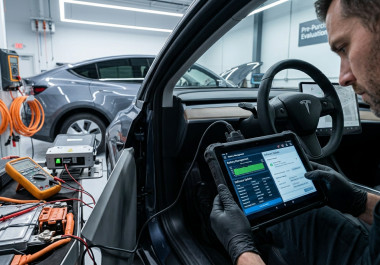
Before any crushing or shredding occurs, the vehicle must be meticulously depolluted - this is a non-negotiable step. Vehicles contain a host of fluids and components that pose serious risks if released into the environment.
These hazardous materials include engine oil, brake fluid, battery acids, and refrigerants used in air conditioning systems. Professional removal and treatment prevents environmental contamination whilst recovering valuable materials for specialist recycling processes.
Key materials requiring professional hazardous materials removal:
Fluids (15-30 litres per vehicle): Oils, coolants, fuels, and acids are drained and stored for specialist recycling or proper disposal. Engine oil undergoes re-refining processes recovering base oils for remanufacturing. Coolant receives distillation separating ethylene glycol for reuse. Brake fluid requires incineration due to contamination preventing recycling.
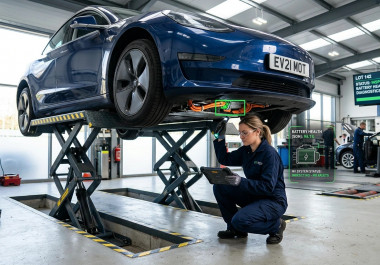
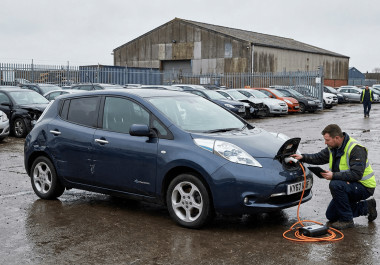
Batteries (8-15 kg per vehicle): Lead-acid batteries contain toxic materials and are removed intact for specialised lead reclamation processes. Professional battery recycling achieves 98-99% lead recovery, with separated plastic casings recycled into new battery components. Electric vehicle batteries require specialist dismantling recovering lithium, cobalt, and nickel for battery manufacturing.
Airbags (500g-2kg explosive material per vehicle): These contain small explosive charges and must be deployed or removed safely by trained personnel. Undeployed airbags present serious safety hazards during crushing operations, potentially causing injuries or equipment damage. Proper deployment releases sodium azide propellant harmlessly, rendering components safe for recycling.
Refrigerants (500-1,200g per vehicle): Air conditioning systems contain refrigerants including R134a (HFC) or older R12 (CFC) requiring specialist recovery. Modern recovery equipment captures 95%+ of refrigerant for cleaning and reuse, preventing atmospheric release of greenhouse gases and ozone-depleting substances.
Mercury switches (1-3g per vehicle in older models): Pre-2000 vehicles may contain mercury in light sensors, ABS components, and convenience switches. Mercury requires specialist collection and secure storage preventing environmental release. UK automotive recycling prevents approximately 1-2 tonnes of mercury entering the environment annually.
Professional ATF operations prevent these hazardous materials from causing environmental damage whilst recovering valuable resources supporting manufacturing industries.
The Circular Economy: Metals and Materials Reclamation
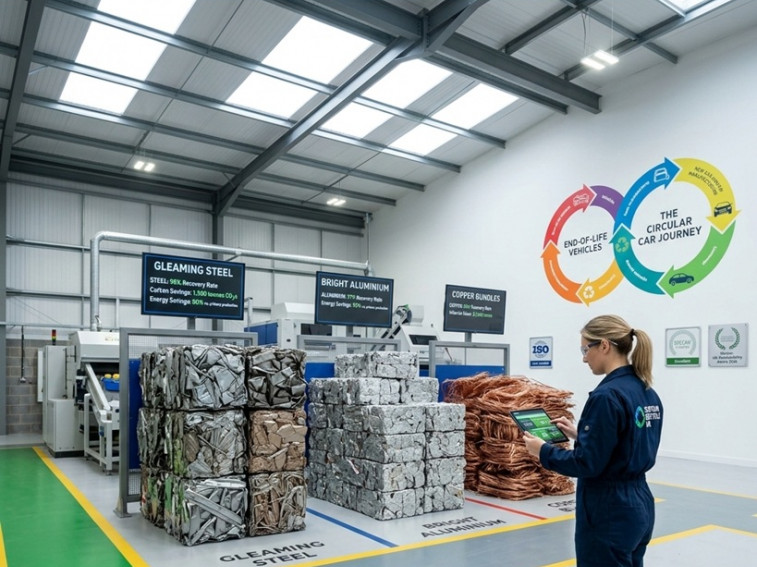
The vast majority of a vehicle's mass, around 75%, is composed of valuable circular economy metals that can be recycled infinitely without degradation in quality. This metallic yield makes cars one of the most profitable and desirable products within the recycling sector.
This efficient reclamation process demonstrates the genuine circular potential of the automotive industry, where end-of-life vehicles become feedstock for new vehicle production in continuous material loops.
Circular economy principles in automotive sector:
Material loops: Recycled steel from end-of-life vehicles feeds directly into new vehicle production. Major manufacturers including Jaguar Land Rover, Nissan, and Toyota incorporate 25-40% recycled steel content in new vehicles. This closed-loop system reduces virgin material demand whilst lowering manufacturing costs.
Component remanufacturing: Engines, gearboxes, and alternators undergo professional remanufacturing, achieving performance specifications matching new components at 40-60% cost savings. Remanufacturing prevents manufacturing energy consumption whilst extending component lifecycle significantly.
Material cascade: Materials degrading through recycling processes enter lower-specification applications. Automotive plastics unsuitable for new vehicle production become construction materials, packaging, or industrial components, maximising material utility before final disposal.
View motorcycle auction opportunities where motorcycles contain valuable aluminium frames, engines, and wheels commanding strong parts demand supporting circular economy objectives through extended component lifespans.
Steel and Aluminium: Infinite Recycling
Steel and aluminium form the chassis, engine blocks, and body panels of nearly all modern vehicles. These circular economy metals are highly prized because they can be melted down and used again immediately, often feeding directly back into new car production or other industries.
The ability to recycle huge quantities of steel dramatically reduces the energy footprint associated with every new vehicle manufactured globally. Even vehicles that have previously been auctioned as repairable salvage often eventually return to auctions to be sold for ultimate scrap value.
Steel recycling process and applications:
Automotive steel undergoes magnetic separation during shredding, achieving 98-99% recovery rates. Separated steel proceeds to electric arc furnaces (EAF) where it melts at 1,370-1,520°C, consuming 7-11 GJ per tonne versus 26-35 GJ for virgin production.
Recycled automotive steel applications include:
-
New vehicle manufacturing: 25-35% recycled content
-
Construction steel: beams, reinforcement bars, structural components
-
White goods: washing machines, refrigerators, cookers
-
Industrial machinery: tooling, equipment frames, components
-
Consumer products: filing cabinets, shelving, furniture
Aluminium recycling process and applications:
Aluminium separation via eddy current technology achieves 90-95% recovery. Remelting occurs at 660-700°C, requiring only 2.8-4 GJ per tonne versus 57-73 GJ for virgin production.
Recycled automotive aluminium applications include:
-
New vehicle manufacturing: engine blocks, wheels, body panels
-
Aerospace industry: aircraft components, structural elements
-
Construction: window frames, cladding, roofing
-
Packaging: beverage cans, food containers
-
Consumer electronics: laptop casings, smartphone bodies
UK automotive recycling recovers approximately 900,000 tonnes of steel and 150,000 tonnes of aluminium annually, supporting domestic manufacturing whilst reducing import dependency for virgin materials.
Reusing Non-Metallic Components
While metals dominate the reclamation figures, the recycling effort doesn't stop there; non-metallic components contribute significantly to the Environmental Benefits of Vehicle Recycling.
Tyres, glass, and various plastics are separated and processed for different applications. For instance, crushed car glass can be used in road construction, and the plastics are often turned into manufacturing feedstock for new non-critical parts.
Non-metallic material recycling pathways:
Tyres (20-35 kg per vehicle):
-
Retreading for commercial vehicles (15-20% of tyres)
-
Rubber crumb for sports surfaces and playgrounds (30-40%)
-
Tyre-derived fuel for cement kilns (25-35%)
-
Rubber mulch for landscaping and agriculture (10-15%)
-
Road construction asphalt additive (5-10%)
Glass (30-50 kg per vehicle):
-
Road construction aggregate (50-60%)
-
Glass fibre manufacturing (20-30%)
-
Bottles and container production (10-15%)
-
Decorative aggregates and landscaping (5-10%)
Plastics (120-180 kg per vehicle):
-
Component remanufacturing for non-critical parts (15-25%)
-
Construction materials: drainage pipes, insulation (30-40%)
-
Plastic lumber for outdoor furniture and decking (20-25%)
-
Refuse-derived fuel for energy generation (15-20%)
Access commercial vehicle auctions where larger vehicles contain substantial quantities of recyclable materials, with commercial van tyres, glass, and plastics contributing significantly to environmental benefit calculations.
Advanced sorting technologies improve plastic recycling efficiency. Near-infrared spectroscopy identifies polymer types automatically, enabling separation into pure material streams commanding higher recycling values versus mixed plastic waste.
Responsible Disposal and Choosing Your Partner
Choosing the right partner for disposal is your final opportunity to ensure your old car benefits the environment rather than harms it. When it's time to retire an asset, whether it's an old fleet van or a private vehicle, you need assurance that the company handling the vehicle operates within the legal framework of environmental stewardship.
This trust is vital for maintaining the integrity of the recycling pipeline. Unlicensed operators may offer marginally higher payments but compromise environmental standards, creating contamination risks whilst providing no legal protection to sellers.
Due diligence checklist for disposal partners:
-
Verify current ATF certification through Environment Agency register
-
Confirm environmental permit validity and scope
-
Check waste carrier licence authorisation
-
Request Certificate of Destruction issuance commitment
-
Verify DVLA notification procedures and timing
-
Confirm insurance coverage for environmental liability
-
Review online reputation and professional affiliations
Professional disposal partners provide comprehensive documentation, transparent processes, and guaranteed legal compliance protecting both sellers and environment.
Preparing Your Vehicle for Scrappage
As an owner, you have a few simple steps you can take to make the transition to recycling even smoother. Firstly, removing all personal belongings prevents delays in the depollution process.
Secondly, ensure you have the V5C logbook, as you'll need this to officially notify the DVLA of the scrappage. This administrative step finalises your legal liability and confirms the vehicle's journey to the ATF.
Pre-disposal preparation checklist:
-
Remove all personal belongings from interior, boot, and storage compartments
-
Retrieve important documents: insurance certificates, MOT records, service history
-
Locate V5C registration certificate (logbook)
-
Gather photographic identification and proof of address
-
Remove personal number plates if retaining for future use
-
Note current mileage and condition for ATF quotation accuracy
-
Photograph vehicle for personal records
Thorough preparation prevents processing delays whilst ensuring all valuable personal items are recovered before vehicle disposal.
Finding Reputable Recycling Partners
Look for a recycling firm with proven credentials, such as official ATF status, to guarantee compliance with all UK legislation concerning hazardous materials removal and metal reclamation.
Companies that are also involved in the vehicle auction sector often have existing infrastructure that integrates asset recovery, resale of reusable parts, and certified recycling. This dual capability ensures the highest possible value extraction from every ELV.
When dealing with specialised items, such as those found in dedicated motorcycle or heavy commercial fleets, specialised disposal knowledge is often required. Professional platforms understand category-specific requirements, ensuring optimal disposal outcomes.
Register to bid on salvage vehicles to explore alternatives to immediate scrapping, where repair and resale represent the most environmentally beneficial disposal option preventing resource consumption in new vehicle manufacturing.
For disposal guidance tailored to specific vehicle types and conditions, get in touch with our team for expert advice. RAW2K Vehicle Auctions maintains partnerships with licensed ATFs whilst offering auction alternatives maximising both financial and environmental outcomes.
Long-Term Sustainability and the Future of Motoring
The vehicle recycling ecosystem is a powerful yet often overlooked contributor to national sustainability goals. Every time a car is recycled properly, it conserves hundreds of litres of oil, thousands of tonnes of metal, and vast amounts of energy through landfill waste reduction and resource recovery.
This constant effort supports a transition towards truly sustainable motoring, where material loops close and environmental impacts minimise through systematic recovery and reuse.
Quantified environmental benefits (UK annual figures):
-
Energy saved: equivalent to 2.5 million barrels of oil
-
CO2 emissions prevented: 6 million tonnes
-
Landfill space conserved: 2-3 million cubic metres
-
Water contamination prevented: protecting aquifers serving 15 million people
-
Virgin material mining avoided: 1.2 million tonnes of ore extraction
Future developments in automotive recycling:
Electric vehicle recycling: Specialist facilities develop capabilities for lithium-ion battery processing, recovering lithium, cobalt, nickel, and manganese for new battery manufacturing. Current recovery rates achieve 50-70% material reclamation, targeting 90%+ through technological advancement.
Advanced material separation: Artificial intelligence and robotics enhance sorting accuracy, improving plastic polymer identification and separation efficiency. Automated systems achieve 95%+ sorting accuracy versus 75-85% for manual processes.
Design for recycling: Manufacturers increasingly design vehicles with recycling considerations, using fewer material types, eliminating hazardous substances, and facilitating component disassembly. These design changes improve end-of-life recyclability whilst reducing processing costs.
Extended producer responsibility: Regulatory frameworks increasingly hold manufacturers financially responsible for end-of-life vehicle processing, incentivising design improvements and funding recycling infrastructure development.
The efficiency and professionalism of companies that manage these transitions are vital for the continued success of the UK's circular economy mandates. By choosing responsible disposal partners, you directly participate in the large-scale effort to minimise environmental harm and maximise resource efficiency.
Arrange verified scrap collection through licensed ATFs ensuring maximum environmental benefit whilst satisfying all legal requirements. This commitment to the complete vehicle lifecycle demonstrates responsible ownership supporting sustainable automotive futures.