Walk into a vehicle auction, or log into a bustling online one, and you'll encounter a variety of keen buyers. There's the mechanic evaluating condition, the breaker estimating parts value, the dealer seeking stock, and yes, the passionate collector hunting for that rare find we spoke about. But look closely, and you'll spot another type – often less conspicuous, perhaps less outwardly emotional than the collector, but armed with a powerful tool: data.
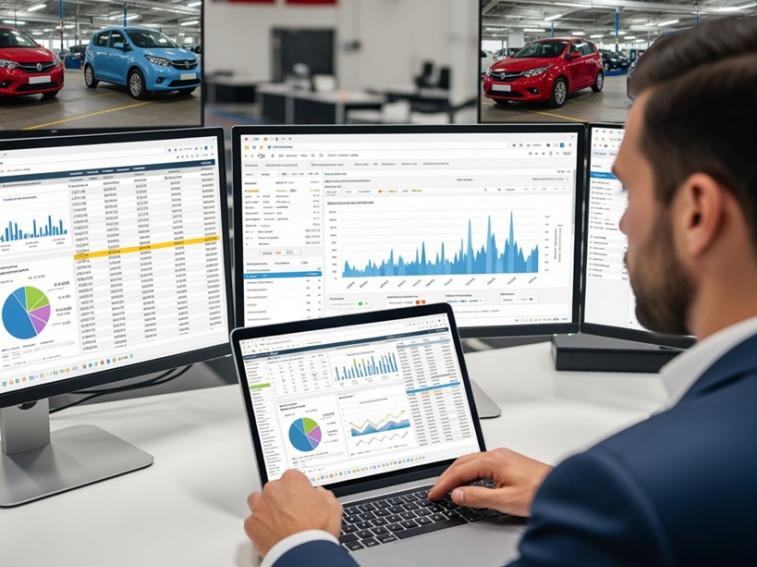
This is the data analyst, the buyer who knows, or can quickly figure out, the price history of similar vehicles through auction price analytics. They aren't just guessing or relying on instinct. They're using information – past results, market trends, depreciation curves – to make informed decisions. For businesses looking to buy or sell vehicles strategically at auction, understanding this data-driven approach, or perhaps adopting it yourself, can be incredibly valuable.
Beyond Intuition: Why Data Matters at Auction
In the past, successful auction buying might have felt like an art form – a combination of experience, gut feeling, and a bit of luck. You'd size up a vehicle, make a quick judgment, and bid based on what you thought it was worth or what you hoped to sell it for. Whilst experience remains crucial, relying solely on intuition in today's dynamic vehicle market simply isn't enough, especially for businesses needing consistent, predictable results.
Market values for vehicles, particularly those in salvage or requiring repair, can fluctuate based on numerous factors: recent scrap metal prices, availability of parts, demand for specific models for export, even seasonal trends. Without hard data, navigating these shifts is challenging. This is where the data analyst buyer thrives – they replace guesswork with calculated strategy through auction price analytics. For your business, whether you're acquiring fleet vehicles, sourcing stock for resale, or disposing of assets, a data-led approach can significantly improve your outcomes.
What is Auction Price Intelligence?
At its heart, auction price intelligence is about leveraging information related to past and present auction outcomes to inform future bidding and selling decisions. It involves gathering, analysing, and interpreting data points such as:
-
Historical sale prices for specific makes, models, years, and conditions of vehicles through historical auction results
-
Trends in pricing over time (e.g., is the value of a certain type of van increasing or decreasing?) via vehicle valuation trends
-
Prices achieved in different regions of the country
-
The impact of damage type or write-off category on final sale price
-
The difference in price between runners, non-runners, or those with specific mechanical issues
-
How factors like mileage, service history, and colour influence value at auction
It's about building a clear picture of what vehicles actually sell for in the auction environment, not just their theoretical market value or what similar vehicles are advertised for on retail sites through auction market intelligence. This intelligence provides a solid foundation for making competitive yet profitable bids, or for setting realistic reserve prices when selling.
The Tools of the Trade: How Data Analysts Operate
The data analyst buyer isn't necessarily a whizz-kid with complex algorithms (though some might be!). Often, their "tools" are accessible to any business willing to put in the effort.
Gathering the Raw Information: The most fundamental data source is past auction results through historical auction results. Many online auction platforms, like RAW2K, provide ways to view results from previous auctions. By diligently tracking these outcomes for vehicles relevant to their interests (be it specific car models, types of van auctions, or certain categories of damage), they build a proprietary database of values.
Processing and Interpreting the Data: Once the data is gathered, it needs structure. This is often done using spreadsheets or simple database software. The key is to organise the information in a way that allows for easy analysis through competitive bidding analysis. They'll look for patterns:
-
What was the average sale price for a Ford Focus of a certain age and damage category last month?
-
How does having a valid MOT affect the price?
-
Are motorcycle auctions seeing increased prices for classic Japanese bikes?
-
How much less does a non-runner typically fetch compared to a runner of the same type?
They clean the data (removing outliers, correcting errors) and look for correlations and trends. This processing transforms raw numbers into actionable auction price intelligence through vehicle valuation trends.
Putting Data to Work: Strategies for Using Auction Price Analytics
Having auction price intelligence is one thing; using it effectively is another. The data analyst buyer employs specific strategies:
Informed Bidding Limits: Instead of guessing a maximum price, they set limits based on historical auction results, factoring in required repairs or anticipated resale value. They know, statistically, what a vehicle is 'worth' in that auction environment through competitive bidding analysis.
Identifying Undervalued Assets: By comparing a vehicle's potential value (based on condition, rarity, etc.) against typical auction outcomes for similar vehicles, they can spot lots that might go for less than their data suggests they are worth.
Optimising Selling Strategy: For businesses selling via auction, auction price analytics helps set realistic reserve prices. Knowing what similar vehicles have actually sold for prevents setting a reserve too high (meaning the vehicle might not sell) or too low (meaning leaving money on the table).
Evaluating Performance: Tracking their own buying and selling results against the data helps them refine their strategy, identifying what works and what doesn't.
This strategic application of data allows for more consistent and potentially more profitable outcomes compared to a purely intuitive approach.
The Data-Driven Business: How Companies Utilise Price History
The data analyst mindset isn't confined to individuals. Many successful businesses integrate auction price intelligence into their operations:
Fleet Management: Companies regularly renewing or expanding their fleet can use data to understand the optimal time to sell older vehicles at auction to maximise return, and to budget realistically for acquiring replacements.
Vehicle Sourcing: Garages, repair shops, and specialist dealers use data analysis to identify profitable vehicles for repair, restoration, or resale. They know, based on historical prices through historical auction results, which types of repairable vehicles offer the best potential margin.
Inventory Management: Businesses that acquire large volumes of vehicles (like breakers) use data to predict demand for parts and assess the potential value of incoming stock based on historical dismantling returns relative to auction purchase price through auction market intelligence.
By embedding data analysis into their processes, businesses can move from reactive buying and selling to a proactive, informed strategy, leading to better financial performance.
Finding the Numbers: Accessing Auction Data
Whilst comprehensive, readily available datasets covering all auction transactions might be hard to come by, platforms like RAW2K offer valuable insights. Regularly checking the results sections (if available) or tracking the prices achieved for vehicles similar to those you are interested in over time allows you to build your own valuable dataset through vehicle valuation trends.
Market reports from automotive bodies and data providers can also offer aggregated insights into used vehicle values, which can serve as a useful benchmark, although auction prices can differ significantly from retail or trade guide values.
Consistency is key. The more data points you gather over time for the types of vehicles relevant to your business, the more accurate your auction price analytics will become, providing a clearer picture of market dynamics and potential value.
Not Just About the Lowest Price: Understanding Value Through Data
It's important to note that the data analyst isn't always simply trying to buy at the absolute lowest price. Their goal is to buy at a value that makes sense based on their strategy. This might mean paying a seemingly higher price for a vehicle if their data suggests its rarity, condition, or potential return on investment justifies it.
For example, auction price intelligence might show that a specific model of repairable vehicle, despite needing significant work, consistently sells for a price that allows a skilled repair business a healthy margin due to high demand for that model. The data analyst isn't just looking at the damage cost; they're looking at the historical outcome and potential profitability through auction market intelligence.
The Competitive Edge: How Data Analytics Impacts Auction Success
In a competitive auction environment, information is power. The buyer armed with robust auction price analytics has a significant edge. They can:
-
Make faster, more confident bidding decisions within predefined limits
-
Identify opportunities that less informed buyers might miss
-
Avoid overpaying by having a clear understanding of historical values through historical auction results
-
Better forecast potential profits or costs associated with their auction activities
For a business operating in a tight-margin environment, this analytical approach can mean the difference between a profitable transaction and a loss. It moves the process from a gamble to a calculated investment.
Leveraging Raw2k for Data and Opportunities
RAW2K, with its continuous flow of diverse vehicles from various sources across the UK, provides an excellent platform for both gathering data and acting on auction price intelligence. The sheer volume and variety of cars, vans, and motorcycles passing through the auctions mean there's a constant stream of potential data points for analysis through competitive bidding analysis.
Whether you're interested in general vehicle auctions, specific motorcycle auctions, or dedicated van auctions, monitoring results relevant to your business can feed your analytical models. The regional breakdown of auctions also allows for localised data analysis, understanding price differences in areas like the South East, North West, or Scotland.
If you're new to RAW2K or have specific questions about sourcing certain types of vehicles, don't hesitate to reach out. The platform is designed to be user-friendly, with detailed descriptions and images, but understanding the nuances of auction buying can sometimes require a little guidance.
Accessing RAW2K is the first step to exploring the current listings and familiarising yourself with the auction process. You can register to bid or simply browse to get a feel for the types of vehicles available. If you need more detailed information or have specific questions about vehicles, the platform, or the auction process, we're here to help – don't hesitate to reach out to the team.
Leveraging their expertise alongside your own data analysis can provide a powerful combination for success.
The Data-Driven Future of Auction Buying
The data analyst buyer represents the evolution of auction participation for businesses. Whilst the thrill of the auction and the expertise of physical inspection remain important, complementing these with rigorous auction price analytics and auction price intelligence offers a pathway to more consistent, predictable, and profitable outcomes.
For any business regularly involved in buying or selling vehicles at auction, adopting a data-driven mindset is no longer just an advantage; it's becoming a necessity in a competitive market. Platforms like RAW2K provide both the vital marketplace and the historical data points needed to fuel this analytical approach.
So, the next time you're preparing for an auction, consider channelling your inner data analyst. Armed with price history and market intelligence through vehicle valuation trends, you'll be in a stronger position to make smart, strategic decisions.
Remember to check RAW2K regularly to gather the data you need and find the next opportunities that align with your analytical strategy.