Category N vehicles represent roughly 60% of all salvage cars sold at UK auctions, yet most buyers misunderstand what this classification actually means. These are vehicles written off for non-structural damage - everything from minor bumper scrapes to flooded interiors - creating opportunities to buy repairable cars at 30-50% below market value.
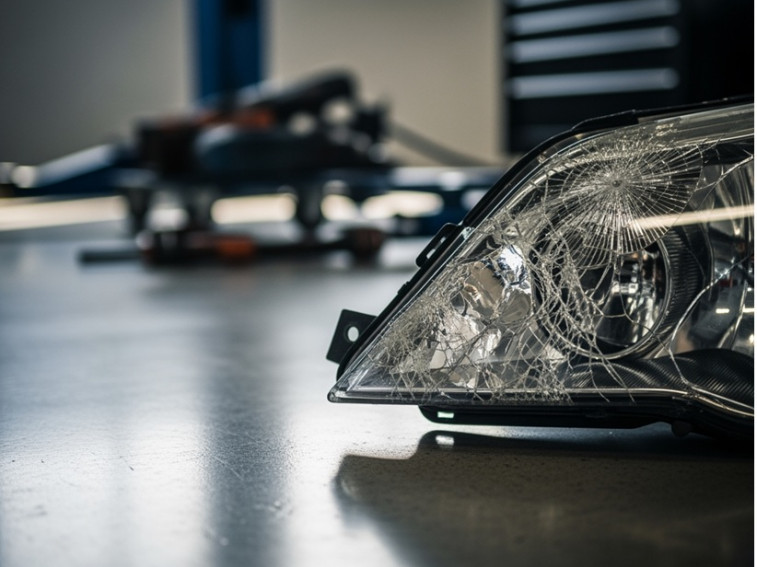
The key distinction: Category N (formerly Cat D) means the damage didn't affect the structural frame or chassis. A car with a dented bonnet and broken headlight qualifies. So does one with a vandalised interior or stolen-and-recovered status. Understanding these nuances determines whether you're buying a bargain or a liability.
What Category N Actually Covers
Insurance companies assign Category N when repair costs approach or exceed the vehicle's pre-accident value, but the damage is purely cosmetic or mechanical. Common examples include:
Cosmetic damage: Scraped panels, cracked bumpers, broken lights, keyed paintwork, minor dents. A 2019 BMW 3 Series worth £18,000 with £9,000 in panel and paint damage gets written off, despite being mechanically sound.
Interior damage: Vandalism, cigarette burns, stained upholstery, broken trim. We've seen £25,000 Range Rovers categorised as salvage purely because thieves stripped the leather seats and dashboard.
Stolen-recovered vehicles: Cars found after the insurance payout, often with minimal damage. These frequently appear at salvage vehicle auctions in near-perfect condition.
Flood damage: Water ingress that didn't reach critical electrical systems or the engine. A car with soaked carpets but no mechanical compromise qualifies as Category N.
Mechanical failures: Failed gearboxes, blown turbos, or engine problems where repair costs exceed value. A £4,000 Vauxhall Astra needing a £3,500 gearbox replacement becomes salvage, though the rest of the car works perfectly.
The classification depends entirely on economics, not safety. A minor accident on a high-value car might not reach the write-off threshold, whilst identical damage to an older vehicle triggers Category N status.
How Insurance Write-Off Calculations Work
Insurers write off vehicles when repair costs plus associated expenses exceed 60-70% of pre-accident market value. This threshold varies between companies, but the calculation follows a standard pattern:
Repair estimate: £6,500 Recovery and storage: £400 Engineer inspection: £150 Courtesy car provision: £350 Administrative costs: £200 Total: £7,600 (76% of value)
The insurer pays the owner £10,000, sells the salvage for £4,000-£5,000, and nets a better outcome than authorising repairs. The car enters the salvage market despite requiring straightforward fixes.
This system creates pricing inefficiencies. Buyers who can source parts cheaply or perform their own labour acquire vehicles for £5,000 that need £2,000 in actual repairs, then own a £10,000 car for £7,000 total investment.
Legal Requirements for Category N Vehicles
Category N carries no legal restrictions on road use. Unlike Category S (structural damage) or Category B (break for parts only), you can repair and drive a Category N vehicle immediately after purchase, provided it meets standard roadworthiness requirements.
MOT requirements: The vehicle needs a valid MOT if over three years old, identical to any other car. The Category N marker doesn't trigger additional inspections or enhanced testing procedures.
Insurance notification: You must declare the salvage category when insuring the vehicle. Failure to disclose this information voids your policy. Most mainstream insurers cover Category N vehicles, though premiums increase 10-20% on average.
DVLA registration: The logbook (V5C) shows no Category N marker. The classification exists only in insurance databases and vehicle history reports. This creates disclosure obligations when selling - you must inform buyers of the salvage history, regardless of what the V5C shows.
Resale disclosure: Trading Standards regulations require private sellers to reveal known salvage categories. Failing to disclose this information constitutes misrepresentation and potentially fraud.
The marker stays with the vehicle permanently. Even after professional repairs and years of trouble-free use, history check services flag the Category N status, affecting resale values by 15-30% compared to equivalent clean-title vehicles.
Where to Buy Category N Vehicles
Salvage auctions dominate the Category N market, with Copart, IAA, and specialist online platforms handling most volume. These operate differently from standard used car sales:
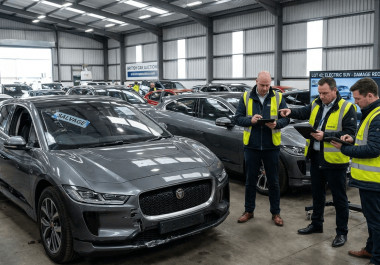
Physical auctions: Copart and similar operators hold weekly sales at locations across the UK. Buyers inspect vehicles in compound yards before bidding. This allows hands-on assessment but requires travelling to auction sites and competing with trade buyers.
Online bidding platforms: Most salvage auctions now run online, with bidding windows spanning 24-48 hours. You view photos and damage reports but cannot physically inspect before committing. When browsing Category N listings online, this method works well for minor damage categories where photos tell the full story.
Trade-only vs public access: Some auctions restrict bidding to registered motor traders with valid business credentials. Others allow public participation after registration and deposit payment (typically £200-£500 refundable).
Dealer purchases: Salvage specialists buy at auction, perform repairs, and resell with warranties. You pay 20-30% more than auction prices but gain legal protection and professionally completed repairs. This suits buyers wanting finished vehicles rather than repair projects. Explore complete salvage solutions if you prefer turnkey options.
Registration requirements vary. Expect to provide photo ID, proof of address, and either trade insurance or business registration. Most platforms charge buyer's fees of 8-12% plus VAT on top of the hammer price.
Inspecting Before You Buy
Physical inspection separates viable purchases from expensive mistakes. Auction viewing days allow 2-3 hours to assess vehicles before bidding opens.
Bring proper tools: Torch, OBD code reader, battery jump pack, and paint depth gauge. Check all electrical systems - windows, locks, lights, infotainment. Category N often involves electrical damage that photos don't reveal.
Document everything: Take 50+ photos covering every panel, wheel, tyre, and interior surface. Record video of the engine bay, underside (if accessible), and boot area. These become invaluable during repairs and insurance claims.
Check for hidden structural damage: Category N should involve zero chassis or structural issues. Look for paint overspray on suspension components, misaligned panel gaps, or welding marks on the chassis rails. These indicate potential mis-categorisation or additional unreported damage.
Test mechanical systems: If the vehicle starts (many don't in auction yards), listen for unusual noises, check gear selection, test the brakes. A Category N car with cosmetic damage shouldn't have mechanical problems unless specifically noted.
Read the damage report carefully: Auction listings include engineer assessments detailing all known issues. Compare this against your inspection. Discrepancies suggest either missed damage or inaccurate reporting.
For online-only auctions without viewing access, we recommend limiting bids to vehicles with comprehensive photo sets (minimum 20 images) and detailed damage descriptions. Request additional photos through the auction platform if documentation seems inadequate.
Calculating True Costs
The winning bid represents roughly 50% of your total investment. Accurate cost projection prevents budget overruns:
Purchase price: Your bid plus buyer's premium (typically 10% + VAT). A £5,000 hammer price becomes £6,000 after fees.
Collection costs: Salvage yards charge storage (£15-£25 daily after the free period, usually 3-5 days). Transport to your repair location runs £100-£300 depending on distance and whether the vehicle rolls.
Parts sourcing: OEM parts from franchised dealers cost 2-3x more than aftermarket alternatives. A genuine BMW headlight assembly: £850. Aftermarket equivalent: £280. Factor this into repair budgets.
Labour costs: Body shops charge £40-£60 per hour. A typical Category N repair involving panel replacement, painting, and reassembly requires 15-25 hours. DIY work eliminates this expense but demands proper facilities and skills.
Replacement components: Beyond obvious damage, expect hidden costs. A front-end collision often requires new radiator mounts, bumper clips, and wiring harness sections that photos don't show.
MOT preparation: Budget £200-£500 for items needed to pass MOT that aren't related to the accident damage - tyres, brake pads, suspension bushes on older vehicles.
Insurance costs: Obtain quotes before bidding. Some insurers refuse Category N vehicles entirely. Others charge premiums 20-40% above clean-title equivalents.
A realistic example: £6,000 purchase price, £200 transport, £1,800 parts, £1,200 labour, £300 miscellaneous = £9,500 total investment. If the repaired vehicle's market value reaches £13,000-£14,000, you've created £3,500-£4,500 in equity. If it's worth £10,000, you've lost money.
When sourcing vehicles from salvage car auctions online, maintaining meticulous cost tracking prevents these scenarios from derailing your investment.
Common Category N Pitfalls
Flood damage underestimation: Water damage looks minor initially but causes progressive electrical failures. We've seen buyers purchase flood-damaged vehicles cheap, then spend £3,000+ chasing intermittent electrical faults over 12 months. Avoid any vehicle with water above the footwell level.
Stolen-recovered assumptions: "Stolen-recovered with no damage" sounds ideal, but thieves often joy-ride vehicles hard before abandoning them. Clutches, gearboxes, and engines suffer abuse that manifests months after purchase. Request full mechanical inspections before buying stolen-recovered stock.
Paint matching failures: Repainting single panels to match aged paint proves nearly impossible. A freshly painted door on a 10-year-old car looks obviously different under sunlight. Budget for blending adjacent panels or accept visible colour variation.
Hidden structural damage: Some vehicles get mis-categorised as Category N when they should be Category S. If you discover structural damage after purchase, you've bought a vehicle worth 40% less than anticipated and potentially unsafe to drive.
Parts availability issues: Rare models or imported vehicles often have 6-8 week lead times for body panels. Your "quick flip" project sits immobile for two months whilst waiting for a rear quarter panel from Japan.
Insurance refusal: A small percentage of insurers refuse Category N vehicles entirely, regardless of repair quality. Discover this before purchase by obtaining quotes with the specific VIN and salvage category disclosed.
Maximising Resale Value
Category N markers reduce resale values 15-30% permanently, but proper documentation and presentation minimise this impact:
Keep detailed repair records: Photograph every stage of repair work. Maintain invoices for all parts and labour. Create a comprehensive file proving professional-standard repairs with quality components.
Use OEM parts where visible: Aftermarket bumpers and lights look obviously different. Spend extra on genuine parts for exterior components whilst saving money on hidden items like radiator supports.
Professional paint work: DIY rattlecan repairs look terrible and destroy resale value. Budget £500-£800 for proper body shop painting even if you perform mechanical repairs yourself.
Obtain engineer inspections: Independent vehicle inspectors provide reports confirming repair quality and roadworthiness. This documentation increases buyer confidence and justifies higher asking prices. Check certified inspection services before completing major repairs.
Disclose proactively: Mention the Category N status in advertisements immediately. Buyers who discover this through history checks after viewing feel deceived and walk away. Upfront disclosure attracts buyers specifically seeking salvage vehicles who understand the value proposition.
Target the right market: Enthusiast communities (car clubs, forums, Facebook groups) accept Category N vehicles more readily than mainstream buyers. A properly repaired BMW M3 sells faster through M3-specific channels than general classified sites.
Expect to price 20-25% below clean-title equivalents for quick sales, or 15-20% below if you're patient. A well-documented repair history with quality parts justifies the higher end of this range.
When Category N Makes Financial Sense
Category N purchases work best in specific scenarios:
Long-term ownership: If you plan to keep the vehicle 5+ years, the salvage marker's resale impact matters less. You capture the full purchase discount without suffering depreciation penalties.
Mechanical competence: DIY repairs eliminate 40-60% of costs. A mechanically skilled buyer transforms a £6,000 auction purchase into a £12,000 vehicle for £2,000 in parts, creating £4,000 in equity.
Access to trade parts pricing: Motor trade professionals source parts at 30-50% below retail. This dramatically improves project economics compared to retail buyers paying full dealer prices.
Rare or enthusiast vehicles: A Category N Porsche 911 or classic Land Rover still holds strong value in enthusiast markets where buyers prioritise specifications over history. The salvage marker impacts these less than mainstream family cars. Explore enthusiast salvage options to find these opportunities.
Minor damage only: Vehicles needing only cosmetic repairs (bumper replacement, paint touch-up, interior cleaning) offer the best risk-reward ratios. Avoid anything requiring mechanical diagnosis or electrical troubleshooting unless you possess specific expertise.
The worst candidates: High-mileage family cars with complex damage, flood-affected vehicles, or anything where repair costs approach 80% of post-repair value. These trap you in negative equity positions where selling means accepting losses.
The Investment Framework
Category N vehicles offer legitimate opportunities to acquire cars at substantial discounts, but success requires realistic cost assessment, mechanical knowledge, and acceptance of permanent resale value impacts. The 30-50% purchase savings only translate to actual value when repair costs stay below 25-30% of the vehicle's post-repair worth.
Start with straightforward projects: cosmetic damage on common models with readily available parts. Avoid flood damage, stolen-recovered vehicles without inspection access, and anything requiring structural assessment. Document repairs meticulously, use quality parts for visible components, and disclose the salvage history proactively when selling.
For buyers with mechanical skills and realistic expectations, Category N purchases create opportunities to own vehicles otherwise outside their budget. When browsing Category N auction options, remember that preparation trumps luck every time.
For those expecting pristine cars at bargain prices, these same vehicles become expensive lessons in hidden costs and depreciation. Understanding which category you fall into determines whether buying salvage makes financial sense.
Have questions about Category N vehicles or need guidance with a specific purchase? Our team can help - we're here to support informed decision-making throughout the salvage buying process.