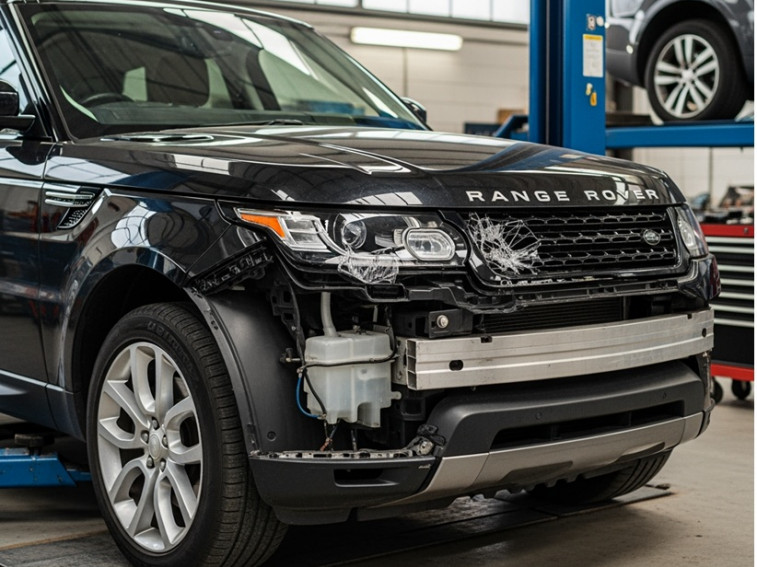
Range Rover salvage vehicles sit at the intersection of luxury and damage - where premium engineering meets insurance write-offs. These aren't ordinary salvage cars. A 2019 Range Rover Sport that retailed for £65,000 might appear at auction for £18,000 with a Category S marker, creating what looks like an irresistible opportunity. Understanding the true risks of Range Rover salvage vehicles separates profitable investments from costly mistakes.
The reality proves more complex. Range Rover salvage cars carry specific risks that don't apply to salvage Fords or Vauxhalls, from air suspension systems that cost £3,200 to replace to terrain response modules that require dealer programming at £140 per hour.
What Makes Range Rover Salvage Different
Range Rover salvage cars command higher auction prices than equivalent damaged vehicles from mainstream brands. A Category S Range Rover Evoque typically sells for 35-45% of its pre-accident value, whilst a comparable Nissan Qashqai fetches 25-35%. When buying at salvage auctions, Range Rover salvage vehicles maintain stronger residual value despite damage classification.
This price premium exists because Range Rovers retain value even when damaged. The brand's desirability creates demand from buyers willing to invest in repairs for luxury features and badge prestige. Understanding what makes Range Rover salvage cars different from standard vehicles helps informed bidding decisions.
Three factors separate Range Rover salvage cars from standard salvage vehicles:
Complex Electronics: Modern Range Rovers contain up to 85 electronic control units. A front-end collision doesn't just damage the bumper and radiator - it can affect adaptive cruise control, autonomous emergency braking, and LED matrix headlights that cost £1,800 each to replace. Range Rover salvage vehicles require specialist diagnostic equipment to identify all damage.
Aluminium Construction: Range Rover Sport and Velar models use aluminium-intensive architecture. Repairing aluminium requires specialist equipment and certified technicians. Most body shops can't properly work with it, and those that can charge 40-60% more than for steel repairs on Range Rover salvage vehicles.
Parts Pricing: Genuine Land Rover parts carry significant premiums. A replacement tailgate for a Range Rover Evoque costs £890 unpainted. The equivalent part for a Volkswagen Tiguan costs £340. This parts cost differential significantly impacts repair budgets for Range Rover salvage vehicles.
The Category System and Range Rovers
Insurance companies assign salvage categories based on damage severity and repair economics. Understanding how these apply to Range Rover salvage vehicles reveals which purchases make sense.
Category S (Structural Damage): The most common category for Range Rover salvage vehicles. This includes damage to the chassis, crumple zones, or any structural component. A Range Rover with rear quarter panel damage from a side impact typically receives Category S classification.
These Range Rover salvage vehicles can be repaired and returned to the road legally, but the marker stays on the V5C permanently. This reduces resale value by 20-35% compared to an equivalent clean-history vehicle. Category S Range Rover salvage cars require professional assessment before repair planning.
Category N (Non-Structural): Covers everything from flood damage to electrical fires to theft recovery with interior damage. Range Rovers often receive Category N classification for water ingress that damages electronics without affecting structure. Category N Range Rover salvage vehicles sometimes offer better value than Category S, depending on damage type.
The challenge with Category N Range Rover salvage cars lies in hidden electronic damage. A vehicle that appears cosmetically sound might have corroded wiring harnesses or damaged control modules that cause intermittent faults for years.
Category B and A: These represent vehicles too damaged to repair. Category B allows parts recovery whilst Category A requires complete destruction. Neither should appear in roadworthy vehicle sales, and avoiding these categories is essential when purchasing Range Rover salvage vehicles.
Real Costs of Range Rover Salvage Repair
We've assessed hundreds of salvage Range Rovers through vehicle recovery operations, and repair costs consistently exceed initial estimates by 30-40%. Understanding true repair costs is critical when evaluating Range Rover salvage vehicles.
A typical scenario: A 2018 Range Rover Velar with front-end collision damage sells at auction for £22,000. The visible damage includes a cracked bumper, damaged bonnet, and broken headlight. Initial repair estimate: £6,500.
Actual costs once work begins on this Range Rover salvage vehicle:
Front bumper, grille, and lower valance: £1,840 Bonnet (aluminium): £980 LED headlight unit: £1,650 Radiator and condenser: £890 Front radar sensor recalibration: £320 Paint and labour (specialist aluminium body shop): £3,200 Alignment and road testing: £280 Total: £9,160 - 41% over initial estimate.
This pattern repeats because pre-purchase inspections can't reveal everything on Range Rover salvage vehicles. Hidden damage emerges once repairs begin: cracked mounting points, damaged wiring, bent subframes that weren't visible until components were removed.
Air Suspension Complications: Range Rovers with air suspension face specific risks when appearing as salvage vehicles. A side impact that seems minor can damage air lines, height sensors, or the compressor. Replacing all four air struts plus the compressor costs £4,200 in parts alone on Range Rover salvage vehicles.
Terrain Response Issues: Off-road capability comes from complex systems that don't tolerate damage well. The Terrain Response dial connects to multiple control units managing differentials, throttle response, and suspension. Damage to any component requires dealer-level diagnostics and programming when working on Range Rover salvage vehicles.
The Market Reality for Repaired Salvage
Buyers considering Range Rover salvage cars as an investment need clear data on resale values. A repaired salvage Range Rover sells for 25-40% less than an equivalent clean-history vehicle, depending on age and category.
A 2017 Range Rover Sport HSE with clean history sells privately for approximately £32,000. The same vehicle with Category S history - even with perfect repairs and full documentation - sells for £20,000-24,000. This £8,000-12,000 discount reflects buyer concerns about unknown repair quality and potential hidden damage when dealing with Range Rover salvage vehicles.
This £8,000-12,000 discount reflects buyer concerns about:
-
Unknown repair quality
-
Potential hidden damage
-
Difficulty securing insurance
-
Reduced finance options
-
Lower trade-in values
The salvage marker never disappears from Range Rover salvage vehicles. Even 10 years after repair, the vehicle carries that history permanently on the V5C.
Insurance Challenges: Approximately 40% of UK insurers won't cover Category S or N vehicles at all. Those that do typically charge 20-30% higher premiums. Some insurers exclude modifications or non-genuine parts from coverage when insuring Range Rover salvage vehicles.
Finance Limitations: Most mainstream lenders reject Range Rover salvage vehicles. Specialist lenders offer finance but at higher rates - typically 8-12% APR versus 4-6% for clean vehicles.
Who Actually Profits from Range Rover Salvage
Three groups consistently make Range Rover salvage vehicles work financially:
Specialist Repairers with Existing Infrastructure: Body shops that already work on luxury vehicles and hold manufacturer certifications can absorb Range Rover salvage at true cost. They have the diagnostic equipment, trained technicians, and parts accounts to complete repairs at wholesale costs.
These businesses buy Range Rover salvage vehicles, repair them using genuine parts, and either retail them with full disclosure or use them as courtesy vehicles. Their competitive advantage comes from labour and parts costs 50-60% below retail rates.
Parts Dismantlers: Category B Range Rovers provide valuable components when browsing vehicle auctions. A 2016 Range Rover Sport written off for structural damage might yield £15,000-20,000 in saleable parts: engines, gearboxes, interior trim, electronics, wheels, and glass from these Range Rover salvage vehicles.
Professional dismantlers understand which components retain value and have established sales channels through eBay, specialist breakers, and trade networks. Range Rover salvage vehicles often provide excellent parts yields for experienced dismantlers.
Experienced Enthusiasts with Specific Skills: Some individuals possess the combination of mechanical ability, diagnostic equipment, and time to make Range Rover salvage vehicles work. These aren't casual DIY mechanics - they're typically automotive professionals working on personal projects.
They succeed by selecting damage they can repair themselves, sourcing used parts from breakers, and accepting that they're building a vehicle to keep rather than resell when working with Range Rover salvage cars.
Common Failure Scenarios
Most people who lose money on Range Rover salvage make predictable mistakes:
Underestimating Electronics Costs: A buyer purchases a flood-damaged Range Rover Evoque for £8,500, assuming dried-out interior and cleaned modules will suffice. Six months later, they're replacing the infotainment system (£2,400), instrument cluster (£890), and multiple door control modules (£340 each) as corrosion causes progressive failures on these Range Rover salvage vehicles.
Ignoring Specialist Requirements: Someone buys a Category S Range Rover Sport with front-end damage and takes it to their local body shop. The shop lacks aluminium repair certification and attempts repairs anyway. The vehicle passes MOT but develops stress cracks around repair areas within 18 months, requiring complete rework of Range Rover salvage cars.
Missing Hidden Structural Damage: A Range Rover appears to have minor rear damage from a parking incident. The buyer repairs visible damage for £2,200. During MOT, the tester identifies rear subframe damage that requires specialist repair at £3,800 - damage invisible during purchase inspection of these Range Rover salvage vehicles.
Salvage Title Complications: A buyer imports a US-market Range Rover salvage vehicle, repairs it, and attempts UK registration. DVSA requires extensive documentation, specialist inspections, and modifications for UK compliance. Total registration costs exceed £4,500, destroying any potential profit from Range Rover salvage vehicles.
The Category N Water Damage Trap
Flood-damaged Range Rovers represent particular risk when appearing at salvage auctions. Insurance companies often assign Category N to Range Rover salvage vehicles with water ingress because it doesn't affect structural integrity. This classification misleads buyers about actual damage severity.
Water damage in Range Rover salvage cars creates cascading failures:
Immediate: Carpets, seats, interior trim require replacement 3-6 months: Corroded connectors cause electrical faults 6-12 months: Control modules fail as internal corrosion progresses 12-24 months: Wiring harnesses require replacement as insulation breaks down
A Category N flood-damaged Range Rover might cost £3,000 to make cosmetically acceptable but require £8,000-12,000 in electrical repairs over two years as damage manifests on these Range Rover salvage vehicles.
Water ingress particularly affects:
-
Under-seat modules (seat controls, airbag sensors): £280-440 each
-
Footwell-mounted control units (body control, lighting): £520-890 each
-
Harness connections throughout the vehicle: £140-280 per repair
When Range Rover Salvage Makes Sense
Specific scenarios offer reasonable risk-reward balance for Range Rover salvage vehicles:
Low-Mileage Theft Recovery with Minor Damage: A Range Rover stolen for a joyride, recovered quickly, with superficial damage. Category N classification reflects theft history rather than serious damage. If mechanicals are sound and damage is purely cosmetic, repair costs stay predictable on Range Rover salvage vehicles.
Single-Panel Damage on Newer Models: A 2020 Range Rover Evoque with isolated damage to one quarter panel, no structural involvement, no airbag deployment. Clear damage scope limits repair costs and unknowns on Range Rover salvage cars.
Vehicles for Long-Term Personal Use: If you're buying Range Rover salvage vehicles to keep for 5-10 years, the resale value hit matters less. You benefit from the reduced purchase price without suffering the reduced resale value because you're not selling.
Professional Buyers with Inspection Access: If you can thoroughly inspect Range Rover salvage vehicles pre-purchase, including diagnostic scans and lift inspection, you eliminate most unknowns. Professional buyers arrange pre-auction inspections through specialist vehicle inspection services that identify hidden damage.
Insurance and Legal Requirements
Repaired salvage Range Rovers must meet specific legal requirements before returning to the road:
VIC Inspection (Vehicle Identity Check): Required for Category S and B Range Rover salvage vehicles before re-registration. This inspection verifies the vehicle's identity and confirms it matches DVLA records. Cost: £55.
MOT Standards: The vehicle must pass standard MOT without any allowances for salvage history. Testers specifically examine previous damage areas for proper repair when assessing Range Rover salvage cars.
Insurance Disclosure: You must inform insurers about salvage history. Failure to disclose voids coverage. If you're involved in an accident and the insurer discovers undisclosed salvage history, they'll refuse the claim and may pursue fraud charges on your Range Rover salvage vehicle.
HPI Register: Salvage history appears on HPI checks permanently. Future buyers will know the vehicle's history when viewing all cars, affecting resale value indefinitely for Range Rover salvage vehicles.
The Verdict on Range Rover Salvage
Range Rover salvage vehicles aren't universally bad investments, but they demand more caution than salvage vehicles from mainstream brands. The numbers tell the story: Purchase a Category S Range Rover Sport for £20,000, invest £10,000 in proper repairs, and you own a vehicle worth £28,000-32,000 on the open market. That's not a profit - it's a £2,000 loss before considering your time and effort on Range Rover salvage vehicles.
The same equation works for professional repairers who complete repairs at cost or enthusiasts who value Range Rover salvage vehicles beyond monetary return. For everyone else, the risk typically exceeds the reward.
If you're considering a Range Rover salvage purchase, three rules apply:
Budget 150% of initial repair estimates - actual costs will exceed expectations on Range Rover salvage cars Buy only damage you fully understand - avoid flood damage and complex electronics issues with Range Rover salvage vehicles Plan to keep the vehicle long-term - the salvage marker eliminates most resale profit on Range Rover salvage cars
The high-reward scenario exists primarily for those with professional repair capabilities or those seeking personal Range Rover salvage vehicles rather than investments. For buyers hoping to flip salvage Range Rovers for profit, the market has tightened considerably as buyers become more sophisticated about salvage history and true repair costs.
Range Rover salvage can work, but it demands realistic expectations, thorough due diligence, and acceptance that you're buying a vehicle with permanent value limitations regardless of repair quality.
For professional guidance on evaluating specific Range Rover salvage vehicles or current listings at vehicle auctions, contact RAW2K today for expert support.