Purchasing a salvage vehicle raises natural questions about long-term dependability, particularly when investing in a family car or daily driver. Nissan salvage vehicles present an interesting case study in post-repair reliability, as the Japanese manufacturer's reputation for engineering quality extends even to vehicles that have been damaged and professionally restored. Through RAW2K, buyers access thoroughly documented salvage stock where repair history and damage categorisation help inform purchasing decisions.
The salvage vehicle market has matured significantly over recent years, with improved transparency around damage categories and repair standards. Nissan models feature prominently in salvage auctions due to their popularity on British roads, offering buyers substantial savings compared to undamaged equivalents. Understanding what makes a reliable salvage vehicle after repair requires examining the damage category, repair quality, and inherent build characteristics of the vehicle itself.
Understanding Nissan Salvage Categories
Insurance companies classify damaged vehicles into specific categories that indicate both the severity of damage and whether the car should return to the road. For Nissan salvage vehicles, these categories directly impact post-repair reliability and legal roadworthiness.
Category S Damage
Category S (previously Cat C) designates structural damage to the vehicle's frame, chassis, or crumple zones. A Cat S Nissan has sustained damage that affected the vehicle's structural integrity but remains repairable to safe standards. Structural repairs require specialist equipment and qualified technicians, as the work directly impacts crash protection and handling characteristics.
Modern Nissan models feature crumple zones designed to absorb impact energy during collisions. When these areas sustain damage, proper repair involves precise measurement and sometimes replacement of entire sections. A Cat S Nissan that has undergone professional structural repair at an approved facility can perform reliably, provided the work meets manufacturer specifications and the vehicle passes post-repair inspection.
Category N Damage
Category N (previously Cat D) indicates non-structural damage where repair costs exceeded the vehicle's pre-accident value from an insurance perspective. These Nissan salvage vehicles may have sustained cosmetic damage, electrical system problems, or mechanical issues that proved expensive to rectify but didn't compromise the fundamental structure.
Category N Nissans often represent the most straightforward salvage purchases. A Qashqai with paint damage and replaced panels, or a Juke with airbag deployment but no frame damage, falls into this category. After proper repairs, these vehicles typically perform identically to their undamaged counterparts.
Why Nissan Models Perform Well as Salvage Vehicles
Several characteristics make Nissan vehicles particularly suitable for salvage purchase and repair, contributing to their reliability after restoration work.
Build Quality and Engineering
Nissan's engineering philosophy emphasises durability and straightforward mechanical design. The manufacturer's vehicles feature readily available parts, well-documented repair procedures, and logical component layouts that facilitate professional repairs. This accessibility means qualified technicians can restore damaged Nissans to proper specifications without excessive difficulty.
The brand's quality control standards during original manufacture create vehicles with consistent tolerances and reliable assemblies. When repairing salvage Nissans, technicians work with components built to exacting standards, making it easier to achieve factory-level fit and finish during restoration.
Popular Models in Salvage Markets
The Nissan Qashqai dominates British crossover sales, meaning substantial numbers enter salvage markets after accidents. This popularity creates a robust parts ecosystem and extensive repair knowledge among technicians. Mechanics familiar with Qashqai repairs can efficiently restore these vehicles to reliable condition.
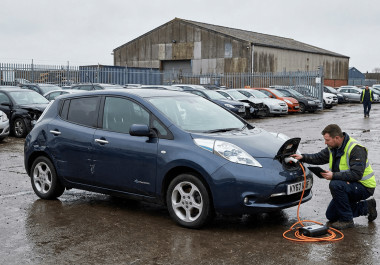
The Nissan Juke, Micra, and Leaf also appear frequently in car auctions, each bringing specific advantages. The Micra's simple mechanical design makes repairs straightforward, while the Leaf's electric drivetrain often survives collisions that damage body panels. The Juke's unique styling means cosmetic parts may cost more, but mechanical components remain affordable and accessible.
Assessing Reliability After Repairs
Determining whether a specific salvage Nissan will prove reliable requires examining multiple factors beyond the damage category alone.
Professional Repair Standards
The quality of repair work fundamentally determines reliability. Professional body shops follow manufacturer repair methods that specify particular welding techniques, adhesive types, and measurement tolerances. A reliable salvage vehicle after repair has undergone work that matches or exceeds these standards.
Reputable repair facilities document their work thoroughly, providing photographic evidence of damage, repair stages, and final measurements. This documentation proves invaluable when assessing repairing salvage Nissans, as buyers can verify that structural dimensions match factory specifications and that proper techniques were employed throughout restoration.
Independent Inspections
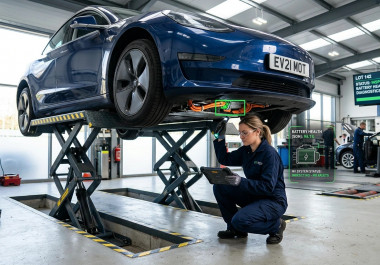
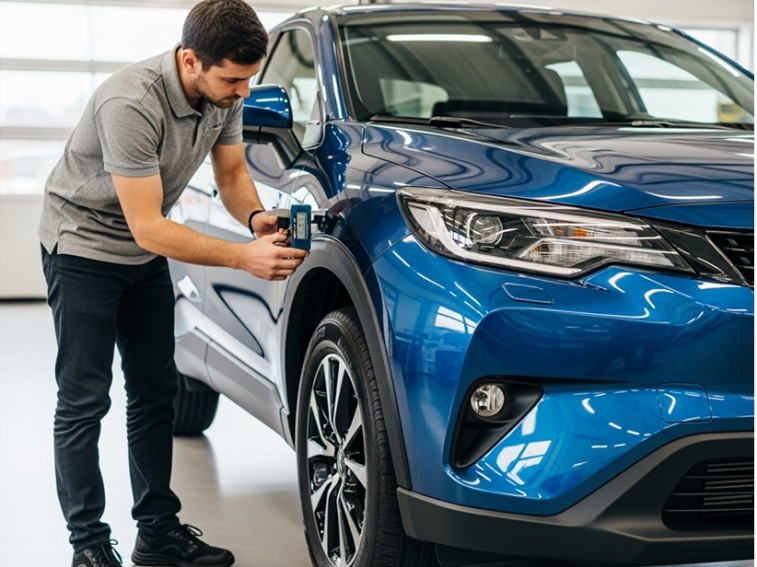
Pre-purchase inspections by qualified mechanics provide objective assessments of repair quality. An independent inspector examines panel gaps, paint quality, structural alignment, and mechanical function to identify substandard work. For Cat S Nissan purchases, this inspection should include chassis measurement to confirm structural integrity.
Many buyers of Nissan salvage vehicles arrange inspections before bidding at salvage vehicle auctions, using the inspection report to inform their maximum bid. This approach reduces risk substantially, as professional inspectors identify problems that may not be obvious during casual viewing.
Documentation and History
Complete documentation separates reliable salvage purchases from problematic ones. Comprehensive records should include the original damage assessment, detailed repair invoices, parts receipts, and post-repair inspection certificates. This paper trail demonstrates that proper procedures were followed and genuine parts were used during restoration.
The Vehicle Identity Check (VIC) process, required for Cat S vehicles before they return to the road, provides government-verified confirmation that the vehicle matches its registered identity. This check, combined with detailed repair documentation, gives buyers confidence in the vehicle's provenance and repair quality.
Cost Benefits vs. Traditional Purchases
Financial considerations drive many salvage vehicle purchases, with Nissan models offering particularly attractive savings.
Initial Purchase Savings
Nissan salvage vehicles typically sell for 30-60% less than equivalent undamaged cars, depending on damage category and repair status. A three-year-old Qashqai that might retail for £15,000 could sell as a repaired Cat N for £7,000-£9,000, representing substantial savings. These price differences allow buyers to access newer, better-equipped models than their budget would otherwise permit.
Category N Nissans generally command higher prices than Cat S equivalents, reflecting the less severe nature of non-structural damage. However, both categories offer significant savings compared to clean-title vehicles, making them attractive to budget-conscious buyers who understand the compromises involved.
Long-Term Value Considerations
Salvage vehicles depreciate differently from their undamaged counterparts. The initial steep depreciation has already occurred due to the salvage categorisation, meaning percentage-wise depreciation often slows after purchase. A well-maintained salvage Nissan may lose less value over three years of ownership than a similarly aged clean-title vehicle, partially offsetting the lower initial purchase price.
However, eventual resale requires finding buyers comfortable with salvage history. This smaller buyer pool can extend selling time and may require modest price flexibility. Buyers planning long-term ownership (five years or more) typically maximise the financial benefits of salvage purchases.
Common Concerns About Salvage Nissan Reliability
Several specific concerns frequently arise when discussing salvage vehicle reliability, each deserving honest examination.
Insurance and Resale Value
Insurance companies may charge slightly higher premiums for salvage vehicles or limit coverage options. Some insurers decline comprehensive coverage for Cat S vehicles, offering only third-party policies. Researching insurance costs before purchasing ensures no unpleasant surprises, as premiums vary significantly between providers based on their risk assessment of repaired salvage vehicles.
Resale values remain permanently affected by salvage categorisation. Even after years of reliable service, a salvage Nissan will sell for less than an equivalent clean-title vehicle. Buyers should factor this ongoing value difference into their purchase decision, treating it as a cost of the initial savings rather than a unexpected penalty.
Safety After Structural Repairs
Properly repaired Cat S vehicles meet the same safety standards as undamaged cars, passing identical MOT requirements. Modern repair techniques using laser measurement and manufacturer-approved methods can restore structural integrity completely. However, substandard repairs can compromise crash protection, making professional inspection critical before purchase.
Nissan's robust initial engineering provides some tolerance for repair variations, but buyers should never assume all repairs are equal. Verification through independent inspection ensures that structural repairs meet necessary standards for occupant protection.
Finding Quality Nissan Salvage Vehicles
Sourcing reliable salvage vehicles requires knowing where to look and what to prioritise during selection.
Auction Platforms and Selection
Online vehicle auctions have democratised salvage vehicle access, allowing buyers across Britain to bid on stock from multiple locations. These platforms provide detailed photographs, damage descriptions, and vehicle history reports that help buyers make informed decisions without physically viewing every vehicle.
When browsing featured auctions, prioritise listings with comprehensive documentation and clear damage photography. Transparent sellers who provide detailed information typically handle repairs to higher standards than those offering minimal details. The most reliable salvage purchases come from sellers who demonstrate their work openly.
What to Look For
Successful salvage buyers develop systematic evaluation approaches. For Nissan auction reliability, key factors include:
Service History: Salvage Nissans with documented pre-accident maintenance demonstrate owner care that likely extends to repair quality. Regular servicing suggests the vehicle was valued before the accident, increasing likelihood of proper post-accident restoration.
Mileage Consistency: Low-mileage salvage vehicles often sustain damage early in their life, potentially from inexperienced drivers or unfortunate circumstances. Higher-mileage examples may reflect careful long-term ownership interrupted by an isolated incident.
Damage Pattern: Understanding how damage occurred helps assess likely hidden problems. A front-end collision in a Qashqai may affect cooling systems and suspension, while side impact in a Micra could compromise door mechanisms and side-impact protection.
Parts Quality: Repair documentation should specify whether genuine Nissan parts or aftermarket alternatives were used. Genuine parts typically ensure better fit, finish, and longevity, though quality aftermarket components can perform satisfactorily in cosmetic applications.
Consider this example: A buyer recently purchased a 2020 Nissan Leaf with Cat N categorisation due to rear-end cosmetic damage. The electric motor and battery were unaffected, requiring only bumper, tailgate, and light replacement. After £2,400 in repairs, the vehicle performed identically to an undamaged Leaf but cost £8,000 less initially. Three years later, it has proven completely reliable for daily commuting, validating the careful selection process.
Making the Purchase Decision
After identifying a suitable salvage Nissan, several final steps secure the purchase and prepare for ownership.
Potential buyers should register to bid on auction platforms well before target vehicles appear, as verification processes may take several days. This preparation prevents missing opportunities on ideal vehicles due to administrative delays.
Arranging finance for salvage vehicles requires early planning, as some lenders restrict loans on salvage-category cars. Specialist finance providers understand the salvage market and offer competitive rates to buyers with good credit histories.
Transportation arrangements deserve consideration, particularly for Cat S vehicles requiring VIC inspection before road use. Professional transport services ensure the vehicle reaches your chosen inspection facility or home safely without risking unlicensed road use.
Conclusion
Nissan salvage vehicles offer genuine opportunities for substantial savings without sacrificing reliability, provided buyers exercise due diligence in selection and verification. The brand's engineering quality, parts availability, and straightforward mechanical design support successful repairs that return vehicles to dependable service.
Understanding damage categories, prioritising professional repair standards, and conducting thorough inspections separate successful salvage purchases from problematic ones. Category N Nissans provide the most straightforward entry to salvage ownership, while Cat S examples require more careful assessment but offer deeper discounts.
The salvage market continues evolving, with improved transparency and documentation making informed purchases increasingly accessible. Browse current car auction listings to explore available Nissan salvage stock, examining damage descriptions and repair documentation carefully. For questions about specific vehicles or the bidding process, contact us for guidance tailored to your circumstances. Additional information about salvage categories and buying processes appears in our FAQ section.
With proper research and realistic expectations, a salvage Nissan can provide years of reliable, economical transport while preserving capital for other priorities.