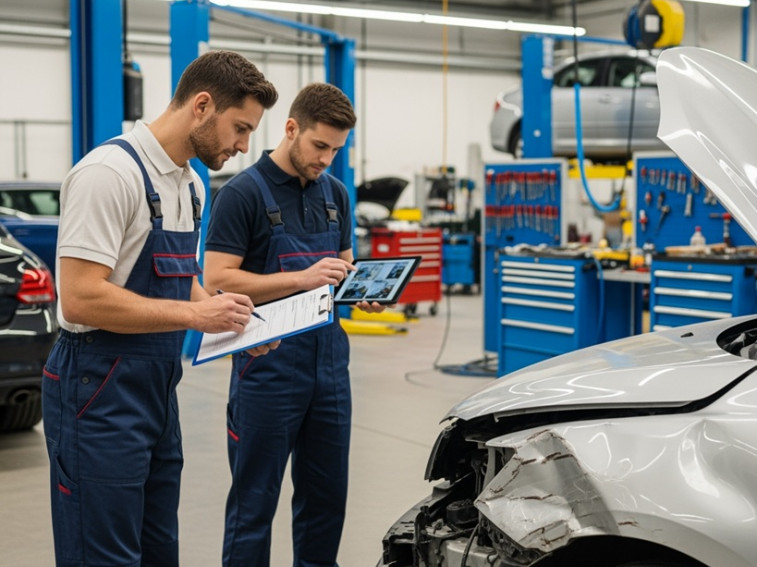
Buying a salvage vehicle at auction can feel like a gamble, but it certainly does not have to be. The real trick is not just winning the bid. Instead, success comes from knowing exactly what you are getting into before committing funds.
This means getting multiple repair quotes lined up, comparing them properly, and understanding if the numbers make sense. Sadly, many buyers get burned because they skip this vital homework. They win a car for what looks like a bargain. Later, they discover the repair bill is three times what they expected. By the time everything is sorted, they are underwater on the deal.
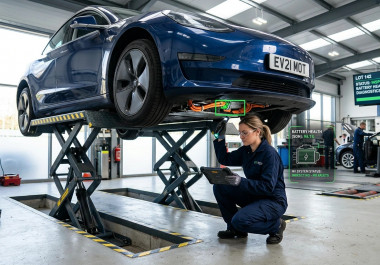
Getting multiple repair quotes for salvage vehicles is quite different from getting a daily driver fixed. Buyers are dealing with insurance write-offs, potential structural damage, and complications they cannot see until the car is on a ramp. However, with the right approach, it is possible to get solid estimates that help you bid smartly and avoid expensive surprises.
Why Multiple Quotes Matter for Salvage Purchases
Here is the truth about salvage vehicle auctions: one garage might quote £2,000 for repairs, while another says £5,000 for the exact same car. This does not mean one is trying to rip you off. Different garages simply have different hourly rates, access to parts, and experience levels with insurance write-offs.
For example, a main dealership will always cost more than an independent bodyshop. However, sometimes they are the only ones with the diagnostic equipment for modern vehicles. An independent garage might be brilliant with mechanical repairs but cannot handle complex electronics. Getting multiple repair quotes provides three massive benefits:
-
It shows the realistic price range for the facing repairs.
-
It helps spot garages that specialise in specific vehicle damage.
-
It gives strong negotiating power when preparing to book the work.
In a typical real-world scenario involving a Category N BMW with front-end damage, an initial quote might be £6,500 from a specialist dealership. However, a second quote could be £3,200 from an independent mechanic experienced with salvage cars. It is the same repair job for half the price. This clearly highlights the huge difference proper research makes.
Understanding What You Are Quoting For
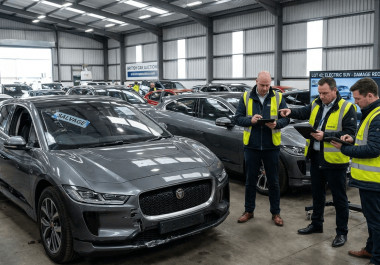
Before ringing around garages, buyers need to know exactly what damage they are dealing with. This is where most people go wrong. They give vague descriptions and get vague quotes in return. When bidding on damaged cars for sale, checking the listing carefully is critical. Look at every single photo, read the damage description, and note down the specifics.
Does it simply say "front-end damage," or does it specify a damaged bumper, bonnet, and nearside headlight? The more detail provided, the better. Category S vehicles need particular attention because they have suffered structural damage. These are not simple fixes. They require specialist equipment and often need parts that take weeks to source.
Conversely, Category N vehicles are usually simpler. The damage is cosmetic or mechanical, meaning it has not touched the structural frame. That said, cosmetic damage can still mean a full respray and new panels, which is never cheap. Always take photos of everything if viewing the vehicle in person is possible. If an in-person visit is not possible, screenshot the auction photos to share with the garages.
Finding the Right Garages to Quote
Not every garage wants to quote on salvage vehicles. Some will not touch them at all. Others will quote exceptionally high because they see it as risky work. Therefore, buyers need to find mechanics who actually specialise in this field.
Start by looking for bodyshops that advertise insurance work. They are entirely used to dealing with insurance write-offs and understand salvage categories perfectly. They will know what an assessor looks for and can advise if repairs will pass inspection. Independent mechanics can be brilliant for Category N vehicles with mechanical or electrical faults. They are often cheaper than main dealers and just as capable. Here is where to look:
-
Local bodyshop directories: Search for "accident repair" or "insurance approved bodyshops".
-
Specialist salvage repairers: These experts exist in most regions and know the industry inside out.
-
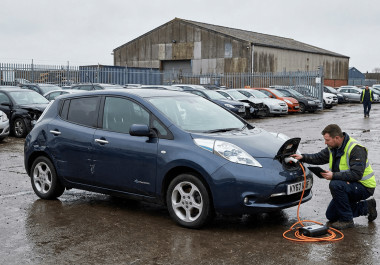
Mobile mechanics: They can view the vehicle for an initial assessment and give a ballpark figure.
-
Online platforms: Upload photos here and get quick repair cost estimates back.
Furthermore, when looking at vehicles in specific regions, finding local garages is beneficial. Someone working on auction vehicles in the North West might get better quotes from Manchester bodyshops than by shipping the car across the country.
How to Request Quotes That Actually Help
This is where many buyers stumble. They ring a garage, say they have a damaged car, and expect a highly accurate answer. In reality, garages must be given enough clear information to quote properly. This means being specific about the damage, the vehicle, and what needs doing to get accurate repair cost estimates. Start with these crucial details:
-
The make, model, year, and current mileage.
-
The salvage category (Cat S, Cat N, or unrecorded).
-
A specific damage description alongside clear photos.
-
Confirmation of whether the V5C logbook and keys are present.
-
A timeline, clarifying if the job is urgent or flexible.
Be completely upfront that it is a salvage vehicle. Hiding this fact never works, because mechanics will figure it out anyway, resulting in lost credibility. Good garages appreciate honesty and will give much better advice. Finally, always ask whether their quote includes VAT. Comparing prices like-for-like is necessary to avoid nasty shocks later.
Getting Quotes Before You Buy
Here is the smartest move buyers can make: get quotes lined up before even placing a bid. While this approach might sound backwards, it is the exact difference between buying blind and buying informed. Most platforms involved in write-off vehicle sales give enough photos and descriptions to ask for solid repair cost estimates.
Consider a scenario involving a Category S Ford Transit. The listing notes nearside damage to the door, wing, and possibly the suspension. Those photos can be sent to three bodyshops to request quotes. They might come back with a range from £2,500 to £3,500. This provides a repair budget of roughly £3,000, allowing buyers to work backwards to find a maximum bid. Here is the mathematics:
-
Retail value of repaired vehicle: £8,000
-
Estimated repairs: £3,000
-
Transportation and storage: £200
-
Target profit or safety margin: £1,500
-
Maximum bid: £3,300
Without getting multiple repair quotes, buyers are simply guessing. Ultimately, guessing is exactly how money is lost.
What to Ask When Comparing Quotes
Once three or four quotes come back, comparing them properly is essential. This is not just about picking the absolute cheapest number. Ask each garage to break down their quote clearly.
Seeing parts costs, labour hours, paint materials, and any subcontracted work listed separately is ideal. This shows exactly where the money is going and helps spot any outliers. Be sure to ask these key questions:
-
Are original (OEM), aftermarket, or used salvage parts being used?
-
What is the exact hourly labour rate?
-
Does this final price include all paint and materials?
-
Will subcontracting any specialist work be required?
-
How many days will the repairs take?
-
Is a warranty offered on the finished work?
Parts quality makes a tremendous difference. OEM parts cost more but fit perfectly and maintain the vehicle's resale value. Meanwhile, aftermarket parts are cheaper, but the quality can vary. For Category S cars intended for resale, OEM parts might be worth the investment because buyers pay more for quality repairs.
Dealing With Hidden Damage
Here is an uncomfortable truth: salvage vehicles almost always have more damage than initially visible. This is exactly why insurance companies write them off in the first place. They know hidden damage will likely appear once repairs begin.
Good, honest garages will build a contingency buffer into their quotes. They might quote £2,500 for visible damage but warn that suspension issues remain unknown until the car is lifted. Be very wary of anyone giving a rock-solid final price based on photos alone.
Some garages offer a smart two-stage quoting system. They will do a physical inspection for £50 to £100, then provide a detailed quote based on what they find. For instance, consider a case where a Category S Audi had a photo-based quote of £4,000. Once stripped down, chassis damage added another £2,500. Knowing this beforehand allows a safe exit from the deal.
Using Independent Assessors
When spending serious money on a salvage vehicle, hiring independent assessors before bidding is incredibly wise. These independent assessors specialise in accident damage and can identify exactly what issues exist.
They will inspect the vehicle in person, write a detailed damage report, and provide highly accurate repair cost estimates. This service typically costs between £150 and £300, depending on the location. However, this small upfront cost can easily save thousands in the long run.
Having a professional report also gives great ammunition when requesting quotes. Garages take clients much more seriously when they arrive with a professional assessment. It shows the buyer is knowledgeable and will not accept inflated prices. Utilising independent assessors ensures hard-earned investments are fully protected.
Regional Differences in Repair Costs
The chosen location for repairs makes a surprising difference to the final cost. London and the South East are typically 20 to 30 percent more expensive than regions in the North or Wales.
Consequently, a repair job costing £3,000 in Birmingham might easily cost £4,000 in Surrey. If flexibility regarding location exists, considering where to buy and where to repair is worthwhile. A vehicle located in Scotland might be cheaper to repair locally than transporting it all the way south.
Always remember to factor in collection costs. Deciding whether managing a vehicle located far from home is realistically possible is important. Some experienced buyers make a profitable business out of buying in expensive areas and repairing in cheaper ones.
When the Numbers Do Not Add Up
Sometimes buyers do all this research, get their quotes, and realise the vehicle is simply not worth purchasing. Please understand that this is not a failure; it is a major success. Avoiding financial loss is the entire point of this exercise.
If repair quotes come back much higher than expected, attempting to justify the cost is a mistake. Adjusting the maximum bid downwards or walking away entirely is the safest choice. Experienced buyers walk away from dozens of vehicles every month after getting quotes.
Each time, someone else buys it for more than it is worth, then struggles immensely to make the numbers work. If walking away is necessary, knowing the baseline scrap car valuation helps understand the worst-case scenario. To thoroughly evaluate these decisions, always rely on accurate data rather than sheer hope.
Getting Started With Your First Quotes
Here is a straightforward action plan to get moving. Once a salvage vehicle of interest is found, getting quotes before placing any bids is mandatory.
-
Step One: Screenshot or save all the auction photos. Write down every single detail about the damage from the listing.
-
Step Two: Find three to five garages. Mix accident bodyshops and independent mechanics depending on the damage type.
-
Step Three: Contact them with the full details. Email works best because photos can be attached and written quotes received back.
-
Step Four: Compare the quotes properly. Break down the costs, ask questions, and check what is included.
-
Step Five: Always factor in the highest quote when calculating the strict maximum bid.
For Category S vehicles, taking these extra precautions is absolutely essential before placing any bids.
Conclusion
Getting multiple repair quotes for salvage vehicles certainly requires some effort. Accurate damage information, the right garages, detailed quotes, and realistic expectations about hidden damage are necessary. However, doing this properly means bidding with confidence, knowing exactly what to expect.
The main difference between making money on salvage vehicles and losing it usually comes down to this preparation homework. Starting with smaller, simpler vehicles while learning the ropes is advisable. A Category N hatchback with minor cosmetic damage is much easier to quote and repair than a luxury car with structural issues. Building knowledge, developing good relationships with garages, and gradually moving up to more complex projects works best.
The market offers genuine opportunities for anyone willing to put in the work. Once prepared with proper quotes, buyers can safely explore the extensive inventory available on RAW2K. If general questions arise about navigating the platform, please get in touch for assistance. Finally, remember to register to bid only when research is complete and a maximum limit is securely set.