When your vehicle suffers damage, the insurance company's assessor makes a decision that determines whether you get it back, receive a payout, or watch it head to salvage. This decision hinges on category classifications - a standardised system that grades vehicle damage from minor to write-off. Understanding category classification is essential for anyone facing an insurance claim on a damaged vehicle.
The category assigned to your vehicle affects its value, your compensation, and whether it can legally return to UK roads. Understanding how insurers make these determinations helps you navigate claims, spot potential disputes, and know when to challenge an assessment.
The ABI Category System Framework
The Association of British Insurers (ABI) established six categories that every UK insurer uses: A, B, S, N, C, and D. Categories A and B represent the most severe damage - vehicles that pose safety risks and must be destroyed. Categories S and N (which replaced C and D in 2017) indicate salvage vehicles that can be repaired and returned to roads, though the economics may not favour it.
Category A vehicles suffer such catastrophic damage that all components must be crushed. Fire-gutted shells with compromised structural integrity, vehicles with extensive flood damage to electrical systems, or cars involved in fatal accidents where biohazard contamination exists typically receive this classification.
Category B vehicles have suffered severe structural damage, but usable parts can be salvaged before the shell is crushed. The chassis or monocoque structure has been compromised beyond safe repair, but the engine, transmission, or interior components may be recovered and sold.
Category S (formerly C) indicates structural damage that's economically repairable. The vehicle can legally return to roads after proper repairs and re-registration with DVLA. Category N covers non-structural damage - cosmetic issues, electrical faults, or mechanical problems that don't affect the vehicle's structural integrity.
Economic Calculation: Repair Cost vs Market Value
The primary factor in category classification is economic viability. Insurers compare repair costs against pre-accident market value using a straightforward formula: if repairs exceed 50-70% of the vehicle's value, it becomes a write-off.
This threshold varies by insurer, but most UK companies use 60% as the trigger point. A vehicle worth £10,000 before damage that requires £6,500 in repairs will likely be classified as a write-off due to repair costs exceeding the economic threshold. The assessment determines whether the vehicle receives Category S or N classification depending on whether structural components require replacement.
The calculation includes more than visible damage. Insurers factor in:
Parts costs - Original Equipment Manufacturer (OEM) parts versus aftermarket alternatives, with luxury brands commanding premium prices that push vehicles into write-off territory faster.
Labour rates - Approved repair centres charge £40-80 per hour depending on location, with London bodyshops at the upper end.
Hidden damage - Initial assessments often reveal additional damage once repairs begin, so assessors build contingency into their calculations.
Courtesy car costs - Extended repair times mean insurers pay for replacement vehicles, adding £20-40 daily to the total claim cost.
Diminished value - Even after perfect repairs, a vehicle with accident history loses 10-20% of its market value, which insurers consider when deciding whether repair makes financial sense.
Identical damage on two vehicles can receive different write-off classifications purely because one was a three-year-old model worth £15,000 and the other was a seven-year-old version worth £6,000. The older vehicle became a Category S write-off while the newer one was repaired.
Structural Damage Assessment
The distinction between Category S and Category N depends entirely on whether structural components sustained damage. This assessment requires technical expertise beyond simple visual inspection and determines the category classification outcome.
Structural components include the chassis, crumple zones, A-pillars, B-pillars, C-pillars, suspension mounting points, and any element that contributes to occupant protection during collision. Modern vehicles use monocoque construction where the body shell itself provides structural integrity, making damage assessment more complex than older body-on-frame designs.
Assessors use several methods to evaluate structural integrity:
Jig measurements - Placing the vehicle on a measuring jig reveals whether the frame has twisted or compressed beyond manufacturer tolerances, typically within 2-3mm variance.
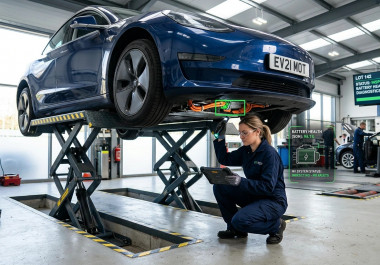
Electronic measuring systems - Laser and ultrasonic tools detect frame distortion invisible to the naked eye.
Panel alignment - Doors, bonnet, and boot that won't close properly or show uneven gaps indicate underlying structural shift.
Suspension geometry - Wheel alignment issues, uneven tyre wear, or pulling to one side suggest damage to suspension mounting points or subframes.
A vehicle with £8,000 in cosmetic damage to panels, lights, and paintwork but no structural compromise receives Category N. An identical £8,000 repair that includes replacing a crumple zone or straightening an A-pillar becomes Category S - the presence of structural damage completely changes the classification.
This distinction matters for resale value and insurance costs. Category S vehicles require more extensive documentation to return to roads and typically sell for 30-50% less than equivalent Category N vehicles, even after professional repairs.
The Assessor's Inspection Process
Insurance assessors follow a systematic approach when examining damaged vehicles. Most complete their evaluation within 30-45 minutes, though complex cases requiring additional investigation may take several hours.
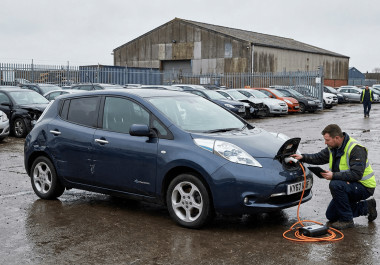
The process begins with documentation: photographs of all damage angles, VIN verification, mileage recording, and noting pre-existing damage that predates the claim. Assessors check service history, MOT records, and previous insurance claims through databases like HPI and Experian Autocheck.
Next comes the physical inspection. Assessors examine:
Impact zones - Primary damage points and the force direction, looking for corresponding damage elsewhere that indicates energy transfer through the structure.
Mechanical systems - Engine operation, transmission function, brake condition, and steering response.
Safety systems - Airbag deployment, seatbelt pretensioner activation, and whether these can be reset or require replacement.
Electrical systems - Particularly crucial for modern vehicles where a single damaged control module can cost £2,000-3,000.
Corrosion and wear - Pre-existing issues that affect value calculations.
Assessors then generate a repair estimate using software like Audatex or Glassmatix, which contains standardised labour times and parts prices for virtually every vehicle sold in the UK. These systems calculate repair costs down to the specific paint code and fastener type.
The final step involves comparing the repair estimate against the vehicle's pre-accident value, determined through trade guides like CAP or Glass's. If repairs exceed the insurer's write-off threshold, the assessor recommends a category classification based on damage type and severity.
Challenging Category Classifications
You can challenge an insurer's category decision if you believe the assessment was incorrect. Common grounds for dispute include:
Undervalued vehicle - If the insurer used an incorrect pre-accident value, the repair-to-value ratio changes, potentially keeping the vehicle below write-off threshold.
Overestimated repairs - Independent repair quotes significantly lower than the insurer's estimate may justify reconsideration of the write-off classification.
Incorrect structural assessment - If damage classified as structural is actually bolt-on components, the vehicle might qualify for Category N instead of Category S.
The challenge process starts with requesting the full engineer's report and repair estimate. Review these documents with a qualified mechanic or body shop specialist who can identify errors or questionable assumptions.
Submit your challenge in writing with supporting evidence: independent valuations, alternative repair quotes, or technical assessments that contradict the insurer's findings. Most insurers will arrange a second inspection if you present credible evidence.
Time matters here. Once an insurer processes a vehicle as salvage and sells it at vehicle auctions, reversing the decision becomes nearly impossible. Submit challenges within 7-14 days of receiving the initial assessment.
Market Value Determination Methods
Insurers use three primary approaches to establish pre-accident value, and the method chosen can significantly affect whether your vehicle becomes a write-off.
Trade guides - CAP, Glass's, and Cazana provide market valuations based on age, mileage, condition, and specification. These guides reflect actual dealer forecourt prices and auction results, updated monthly.
Online listings - Assessors review AutoTrader, eBay Motors, and dealer websites to find comparable vehicles currently for sale, though they typically discount asking prices by 10-15% to reflect actual transaction values.
Engineer's judgement - For rare vehicles, modified cars, or those with unusual specifications, assessors use their experience to estimate value, which introduces more subjectivity and potential for dispute.
Most insurers average multiple sources to reach a final valuation. A 2019 Ford Focus 1.0 EcoBoost Titanium with 45,000 miles might show:
CAP Clean: £9,200 Glass's Retail: £9,450 AutoTrader average (10 similar): £9,800 Insurer's valuation: £9,400 (weighted average)
The condition assessment also affects value. Insurers deduct amounts for pre-existing damage, worn tyres, service history gaps, or MOT advisories. A vehicle with two bald tyres (£200 replacement cost) and a cracked windscreen (£300) loses £500 from its base valuation.
Salvage Auction Outcomes
Once classified and processed as salvage, vehicles enter the auction system where salvage buyers, repair specialists, and parts dealers bid on them. The category classification directly influences auction prices.
Category A vehicles have minimal value - typically £50-150 for scrap metal weight. Category B vehicles fetch more because usable parts can be recovered, with prices ranging from £500-3,000 depending on the vehicle and component demand.
Category S vehicles attract professional repair businesses and private buyers willing to undertake structural repairs. Buying cars at auction for Category S vehicles typically sees prices reach 40-60% of pre-accident value for popular models with straightforward damage. A Category S BMW 3 Series worth £12,000 before damage might sell for £5,000-7,000 at auction.
Category N vehicles command the highest salvage prices, often reaching 60-80% of pre-accident value because repairs are simpler and the vehicle doesn't carry the structural damage stigma. The same £12,000 BMW with Category N classification might fetch £7,000-9,000 when competing at vehicle auctions attracting cash buyers seeking bargains.
The insurer receives the auction proceeds, which offset the payout to the policyholder. If your insurer offers £10,000 for your written-off vehicle and it sells at auction for £6,000, the insurer's net cost is £4,000 plus administration fees.
Insurance Implications After Reclassification
Vehicles returned to roads after Category S or N classification face ongoing insurance challenges that affect their long-term value and usability. The write-off classification stays on the vehicle's history regardless of repair quality.
Most insurers charge 10-20% premium increases for Category N vehicles and 20-40% increases for Category S vehicles, reflecting perceived higher risk. Some insurers refuse to cover salvage vehicles entirely, limiting your options to specialist providers.
You must declare the category classification to insurers when obtaining quotes. Failure to disclose this information voids your policy, leaving you uninsured and potentially facing prosecution for driving without valid cover.
The DVLA registration process for Category S vehicles requires:
New MOT certificate (even if existing MOT hasn't expired) Evidence of professional repairs with itemised invoices Engineers' report confirming roadworthiness V5C logbook update showing category marker Re-registration fee (currently £25)
Category N vehicles don't require DVLA notification before returning to roads, but the category marker appears on insurance databases and affects future valuations.
Regional Variation in Assessment Standards
Whilst the ABI categories apply UK-wide, assessment practices vary by region due to labour cost differences and parts availability. This regional variation can affect whether a vehicle becomes classified as a write-off.
London and Southeast assessors work with repair costs 15-25% higher than Northern England or Wales, purely due to labour rates and premises costs. This means vehicles in high-cost areas reach write-off thresholds faster than identical damage in lower-cost regions.
Rural areas face parts delivery delays that increase courtesy car costs, pushing more vehicles into write-off territory. Urban areas with multiple approved repair centres benefit from competitive pricing that may keep vehicles below write-off thresholds.
Scotland applies the same category system but assessors account for different market values - some models command premiums north of the border whilst others sell for less than English equivalents, affecting the repair-to-value calculation.
Conclusion
Insurance companies decide category classifications through a methodical process that balances repair economics against vehicle value and safety considerations. The assessment determines whether structural damage exists (Category S versus N) and whether repair costs justify keeping the vehicle on the road.
Understanding this process helps you anticipate outcomes, prepare challenges when assessments seem incorrect, and make informed decisions about accepting settlements or buying back salvage vehicles. The category assigned affects immediate payout amounts, future insurance costs, and long-term vehicle value - making it one of the most consequential decisions in the claims process.
If you're facing a category classification decision, request detailed documentation of the assessment, obtain independent valuations, and challenge decisions supported by credible evidence. Most disputes arise from valuation disagreements rather than technical assessment errors, so focus your challenge on demonstrating accurate pre-accident value rather than questioning the assessor's damage evaluation.
If you need professional guidance on category classifications or require support navigating the assessment and auction process, get in touch with specialists at RAW2K who can help you understand your options and maximise your settlement.