Successfully transforming an accident-damaged vehicle into a roadworthy asset demands more than mechanical skill; it requires a dedicated space with the correct equipment. Having the right salvage repair tools is critical for small business dealers and experienced hobbyists tackling a personal project. The necessary kit, from basic hand tools to specialised diagnostic machinery, ensures a smooth and professional journey from auction purchase to profitable completion.
Acquiring vehicles is a smart financial move, but underestimating the tool investment can derail any budget. Reliable, professional-grade equipment ensures safety, accuracy, and longevity in all repairs. This preparation allows confident bidding on lots, knowing the required work, whether dealing with a Category N or a structural Category S vehicle, can be handled effectively.
Laying the Foundation: Essential Salvage Repair Tools
Every successful garage, whether commercial or home-based, must start with a robust set of fundamental tools. These aren't just for heavy labour; they are essential for the disassembly, inspection, and initial assessment of any vehicle purchased at auction. Investing in quality here saves money in the long run by preventing breakages and ensuring precise work.
Diagnostic and Safety Equipment
Safety must always come first when working on any damaged vehicle, especially those with unknown electrical or fuel issues. Modern vehicles rely heavily on complex electronics, making thorough diagnosis impossible without specialised scanners. These initial garage essentials are non-negotiable for anyone serious about professional-grade salvage restoration.
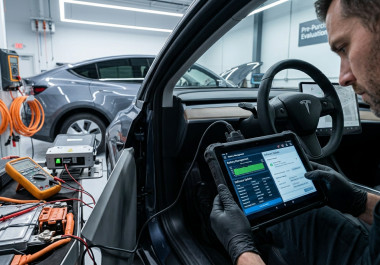
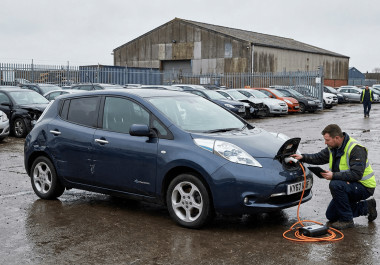
Vehicle Diagnostic Scanner: A good scanner is vital for reading fault codes (DTCs), identifying electronic malfunctions, and resetting modules. This tool is especially crucial for troubleshooting electrical issues common in Category N damage vehicles.
Multimeter and Circuit Tester: Essential for checking voltage, continuity, and resistance across wiring looms and individual components. Accurate electrical testing prevents costly component damage and ensures reliable operation after restoration.
Personal Protective Equipment (PPE): This includes safety glasses, steel-toed boots, welding helmets, and appropriate gloves. Never compromise on safety; a minor injury can halt your project indefinitely.
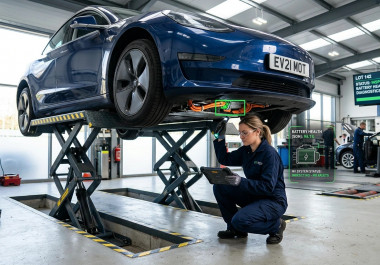
Vehicle Lifts or Jack Stands: High-quality, stable support equipment rated well above the vehicle's maximum weight is essential. Safe access to the underbody is non-negotiable for structural checks and suspension work.
Core Mechanical Garage Essentials
The backbone of any workshop is its general mechanical equipment, handling the routine disassembly and reassembly of engines, transmissions, and interiors. Opting for comprehensive sets ensures the correct size and type of fastener tool is always available. Durable ratchets, sockets, and wrenches that withstand high torque applications will significantly speed up any job.
Comprehensive Socket and Wrench Sets: Include metric and imperial sizes, deep and shallow sockets, and various drive sizes. High-quality chrome vanadium steel ensures the tools can handle rusted or overtightened bolts often found on auction vehicles.
Torque Wrenches: Essential for engine, suspension, and wheel component assembly, ensuring all critical fasteners are tightened to the manufacturer's precise specifications. Using the correct torque prevents future failure and upholds work integrity.
Air Compressor and Power Tools: An air compressor is versatile, powering impact wrenches for quick tyre and large bolt removal, air hammers for bodywork, and spray guns for painting. Cordless electric power tools like drills and drivers also dramatically reduce the time involved in removing interior panels and smaller engine components.
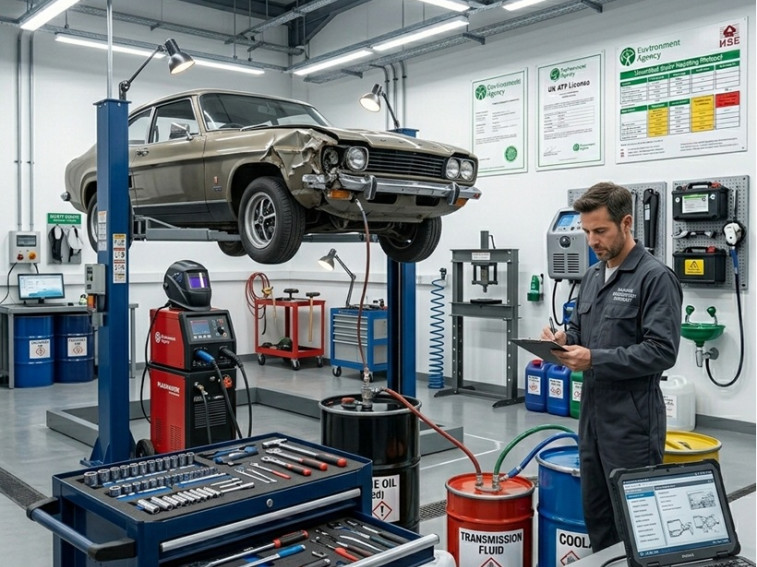
Fluid Handling Equipment: You need drain pans, oil filter wrenches, funnels, and pumps for safely managing engine oil, coolant, brake fluid, and other chemicals. Proper fluid management is environmentally responsible and keeps your workspace clean and safe.
Tackling Structural and Bodywork Damage
Repairs to Category S vehicles and heavy body damage demand specialised equipment beyond standard mechanical repair. These tools represent the biggest investment but are necessary to certify the vehicle's structural integrity before it can be legally returned to the road. Precision welding and aligning equipment restores the vehicle's intended safety features.
Welding and Fabrication Gear
Structural repairs, required for Category S designation, depend entirely on accurate metal joining and shaping. The choice of welder depends on the materials being worked with, but a versatile setup is often the most economical. Professional buyers sourcing damaged vehicles from platforms like RAW2K for restoration projects rely on quality MIG welding equipment. Ensure your unit is capable of handling the thin-gauge steel used in modern car bodies.
MIG Welder: A gas metal arc welding (MIG) machine is the standard for automotive bodywork, offering speed, versatility, and clean welds on thin metals. Appropriate welding wire, shielding gas, and a reliable auto-darkening helmet are also essential. MIG welding equipment is fundamental for Category S repair equipment requirements.
Plasma Cutter or Grinder: Used for safely removing damaged sections of frame or body panelling before replacement parts can be fitted. Angle grinders with cutting discs and flap wheels are essential for preparation and finishing work.
Body Dent Puller/Slide Hammer: These tools pull out minor dents without requiring full panel replacement, saving time and costs on repairs. Comprehensive kits offer various attachments for different types of damage.
Panel Beating and Finishing
The final appearance of the vehicle is determined by the quality of its panel work, which is why panel beating is a fine art requiring specific hammers and dollies. Proper preparation before paint application ensures a flawless finish that maximises the vehicle's resale value.
Panel Beating Kit: This typically includes various hammers (pick, cross-peen, bumping) and contoured dollies (curved, heel, toe) used to reform damaged sheet metal. Skill in this area is paramount to avoiding excessive body filler.
Sanding Equipment: Orbital sanders, block sanders, and various sandpaper grits are necessary to strip old paint, smooth body filler, and prepare surfaces for primer and final paint. Dust extraction equipment is also a high priority for workshop air quality.
Paint Booth/Dust Control: Whilst a professional spray booth is ideal, a dust-free environment and quality respirators are required for professional-grade paints. The quality of the finish directly reflects on the perceived value of the vehicle.
Specialised Equipment for Electrical and Underbody Work
Beyond the heavy structural work, many auction vehicles require detailed attention to suspension, steering, and electronics. These components are vital for road safety and operational reliability. Ignoring these areas will lead to an expensive failure down the line.
Electrical Testing and Wiring Tools
Even light damage can cause complex electrical faults, making wiring repair a frequent necessity. Proper diagnostic scanner tools ensure connections are secure and weatherproof, preventing future short circuits or failures. This applies equally to salvage motorcycles and cars.
Wire Crimpers and Strippers: High-quality crimpers are crucial for creating strong, professional, and insulated electrical connections. Low-quality tools often result in poor crimps, a major cause of electrical issues.
Heat Gun and Shrink Tubing: Used to create waterproof seals around repaired or spliced wires, protecting the electrical system from moisture and corrosion.
Borescope/Inspection Camera: An invaluable tool for visually inspecting engine internals, hidden frame components, or areas behind the dashboard without extensive disassembly.
Underbody and Suspension Work
Accident forces often travel through the suspension, wheel hubs, and steering linkages, requiring alignment checks and component replacement. These tasks demand robust pullers and presses that handle seized or stubborn parts.
Spring Compressor: A mandatory safety tool for safely removing and reinstalling coil springs during strut or damper replacement. Never attempt this without a professional, certified compressor.
Ball Joint and Tie Rod End Separators: Used to safely and cleanly separate suspension components without damaging the surrounding parts or steering rack boots.
Alignment Tools: Whilst professional alignment machines are costly, basic castor and camber gauges can help get the alignment close enough for a safe drive to a specialist.
Sourcing Parts and Logistics Planning
Acquiring salvage repair tools is only half the battle; the other half is sourcing the right parts affordably. The most cost-effective solution is often to source used original equipment manufacturer (OEM) parts from dismantlers or by purchasing another low-cost auction lot for parts only. Effective logistics planning ties everything together.
It is wise to calculate the cost of replacement parts immediately after winning a lot to ensure the project remains viable. Collection logistics must be planned immediately to avoid storage fees. Being prepared with all garage essentials, salvage repair tools, and replacement parts lined up allows quick movement from collection to repair, significantly boosting project efficiency and profit margin. Register to access professional buyer tools and outfitting the workspace with these essential items turns the competitive environment into a reliable source of quality, profitable stock. For guidance on tool requirements for specific vehicle types, contact our team.